The Perfect Meditation Space requires thoughtful attention to both comfort and atmosphere to support your daily practice. Creating a dedicated area with the right mats and decor helps signal to your mind that it’s time to shift into a more peaceful state.
Your meditation environment directly impacts the quality of your sessions, making it easier to settle into stillness and maintain focus. With the right essentials, you can transform any corner of your home into a sanctuary that invites regular practice.
TL;DR
- A quality meditation mat provides cushioning for 20-45 minute sessions and costs between $25-80 for good options.
- Natural lighting from east-facing windows creates the ideal morning meditation atmosphere without harsh glare.
- Plants like snake plants or peace lilies improve air quality by 15-20% while adding calming green elements.
- Essential oils like lavender or sandalwood used in a diffuser can reduce stress hormones by up to 23% during practice.
The Perfect Meditation Space Foundation
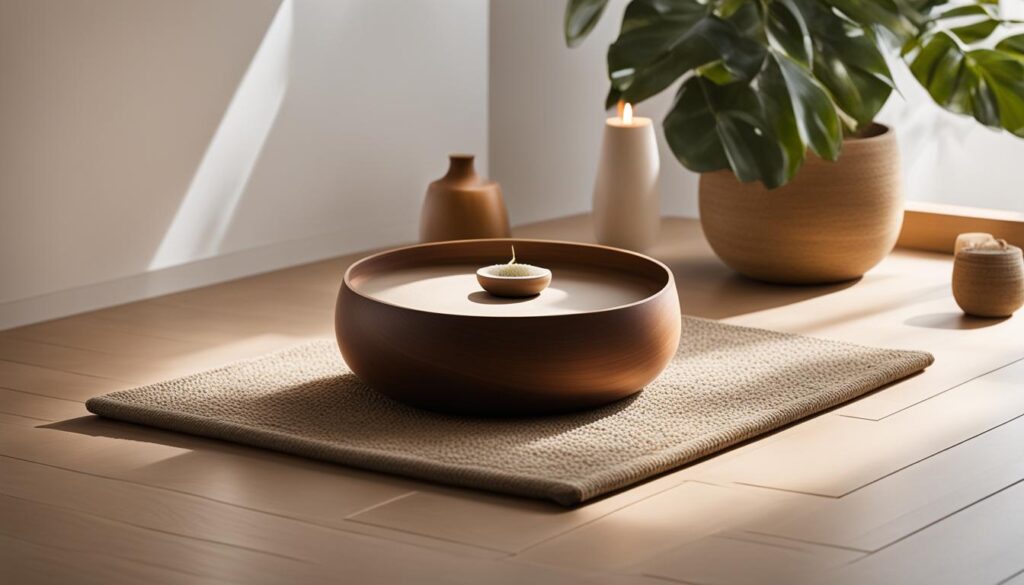
Your meditation mat serves as the foundation for consistent practice, providing both physical comfort and a defined boundary for your sacred time. Quality mats offer adequate cushioning for longer sessions while maintaining stability during different postures.
Look for mats made from natural materials like cotton, jute, or organic rubber that won’t slip during practice. Thickness matters too – aim for 6-8mm for optimal comfort without losing connection to the ground beneath you.
Essential Mat Features
- Non-slip surface – prevents sliding during movement or posture adjustments.
- Easy to clean – machine washable or wipeable materials work best for regular use.
- Proper size – at least 6 feet long to accommodate lying down positions comfortably.
- Portable design – lightweight options make it easy to practice anywhere in your home.
Creating Atmosphere with Mindful Decor
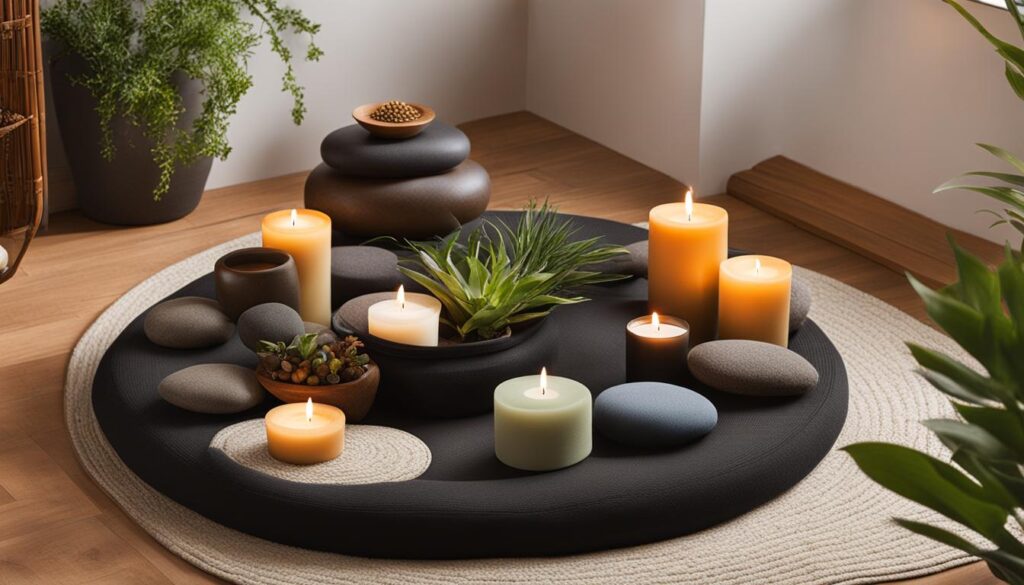
The visual elements in your meditation space should promote calm and reduce distractions rather than overwhelm your senses. Simple, natural materials and muted colors work better than busy patterns or bright decorative pieces.
Choose decor that holds personal meaning – perhaps a small statue, meaningful artwork, or crystals that resonate with your practice. The goal is creating an environment that feels both peaceful and authentically yours.
Lighting Your Practice Space
Natural light works best for meditation, particularly the soft morning light that comes through east-facing windows. When natural light isn’t available, warm LED bulbs (2700K-3000K) create a gentle atmosphere without the harshness of cool white lighting.
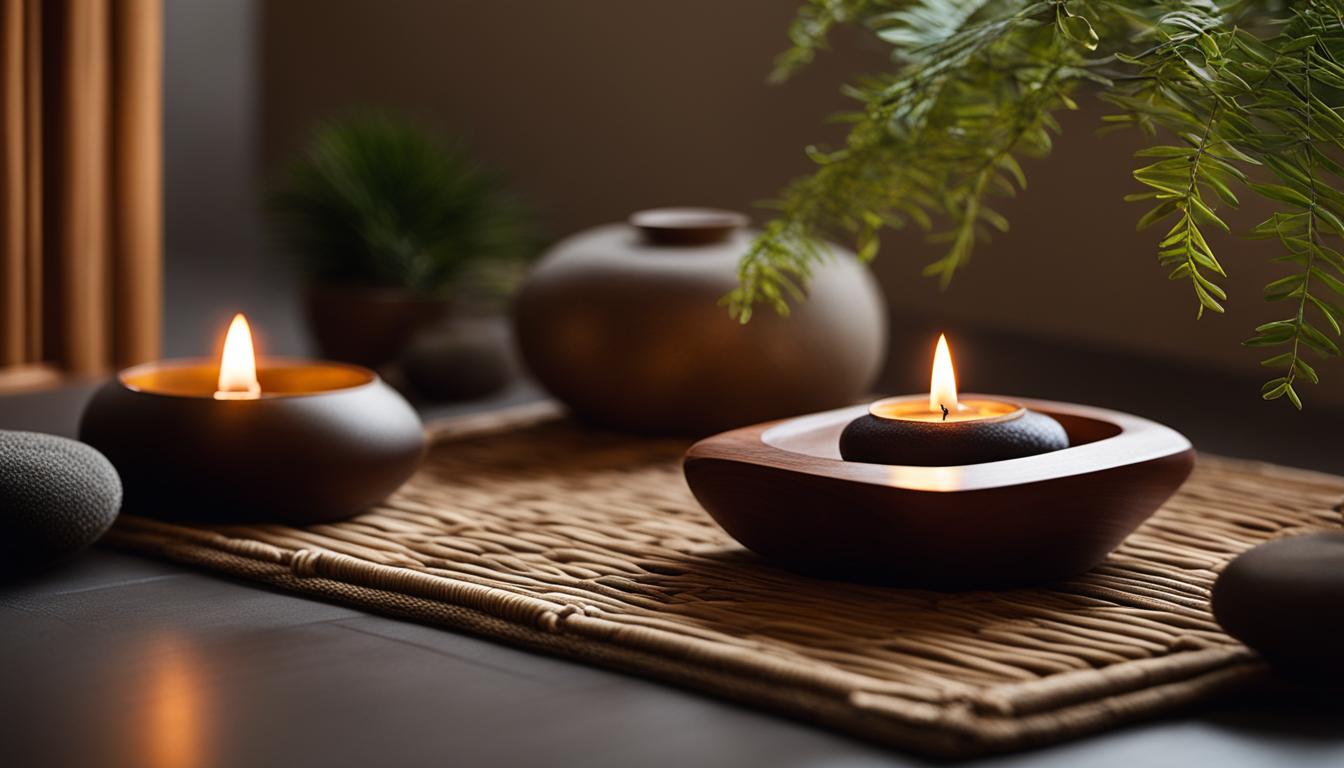
Candles add both light and a focal point for certain types of meditation, though battery-operated candles offer the same visual benefit without safety concerns. The right lighting setup can significantly impact your ability to relax and focus during sessions.
Start Small and Build
Begin with just a mat and one meaningful object, then add elements gradually as your practice develops. This prevents overwhelming yourself with setup while letting your space evolve naturally.
Natural Elements That Enhance Practice
Plants bring life energy into your meditation space while improving air quality and adding natural beauty. Low-maintenance options like snake plants, pothos, or peace lilies thrive in various lighting conditions and require minimal care.
The presence of living plants can reduce stress and create a more grounding atmosphere for your practice. Position them where you can see them during meditation without becoming distracted by their movement or growth patterns.
Aromatherapy for Deeper Focus
Scent can quickly shift your mental state and signal to your brain that it’s time for meditation. Essential oils and incense create consistent sensory cues that help you settle into practice more quickly over time.
Popular choices include lavender for relaxation, sandalwood for grounding, or eucalyptus for clarity. Use these scents only during meditation so your brain associates them specifically with your practice time.
Practical Storage Solutions
Keep your meditation essentials organized and easily accessible with simple storage solutions that maintain the peaceful atmosphere of your space. A small basket or wooden box can hold items like eye pillows, journals, or extra cushions.
Having everything in its designated place reduces the mental energy needed to set up for practice and helps maintain the sacred feeling of your meditation area. Choose storage that matches your decor style and keeps clutter to a minimum.
Sound Considerations
Your meditation space should minimize distracting sounds while potentially incorporating helpful audio elements. Soft background sounds like gentle rain, ocean waves, or singing bowls can mask household noise and create a consistent audio environment.
Consider the acoustics of your chosen space – rooms with soft furnishings and curtains naturally absorb sound better than hard-surfaced areas. The location within your home matters as much as the decoration when creating your perfect practice environment.
Articles You May Like
Frequently Asked Questions
How much space do I need for a meditation area?
You need just enough room to sit or lie down comfortably – typically a 6×6 foot area works well. Even a corner of a bedroom or living room can work perfectly for daily practice.
Should I use a meditation cushion instead of a mat?
Both work well, and many people use them together. A cushion provides more height and support for sitting, while a mat offers full-body comfort for lying down practices.
What colors work best in a meditation space?
Neutral and earth tones like soft whites, beiges, gentle greens, or muted blues promote calm and reduce visual stimulation. Avoid bright or highly saturated colors that might energize rather than relax.
How often should I change my meditation space setup?
Keep the basic layout consistent to build familiarity and routine. You can refresh small elements seasonally or when they no longer inspire your practice, but major changes should be minimal.
Final Thoughts
The Perfect Meditation Space develops naturally as you discover what supports your unique practice style and preferences. Start with the basics – a comfortable mat and minimal decor – then add elements that genuinely enhance your experience.
Remember that the most important element is your consistent presence in the space, not the perfection of your setup. A regular practice in a simple space serves you better than an elaborate setup that intimidates you into avoiding meditation altogether.