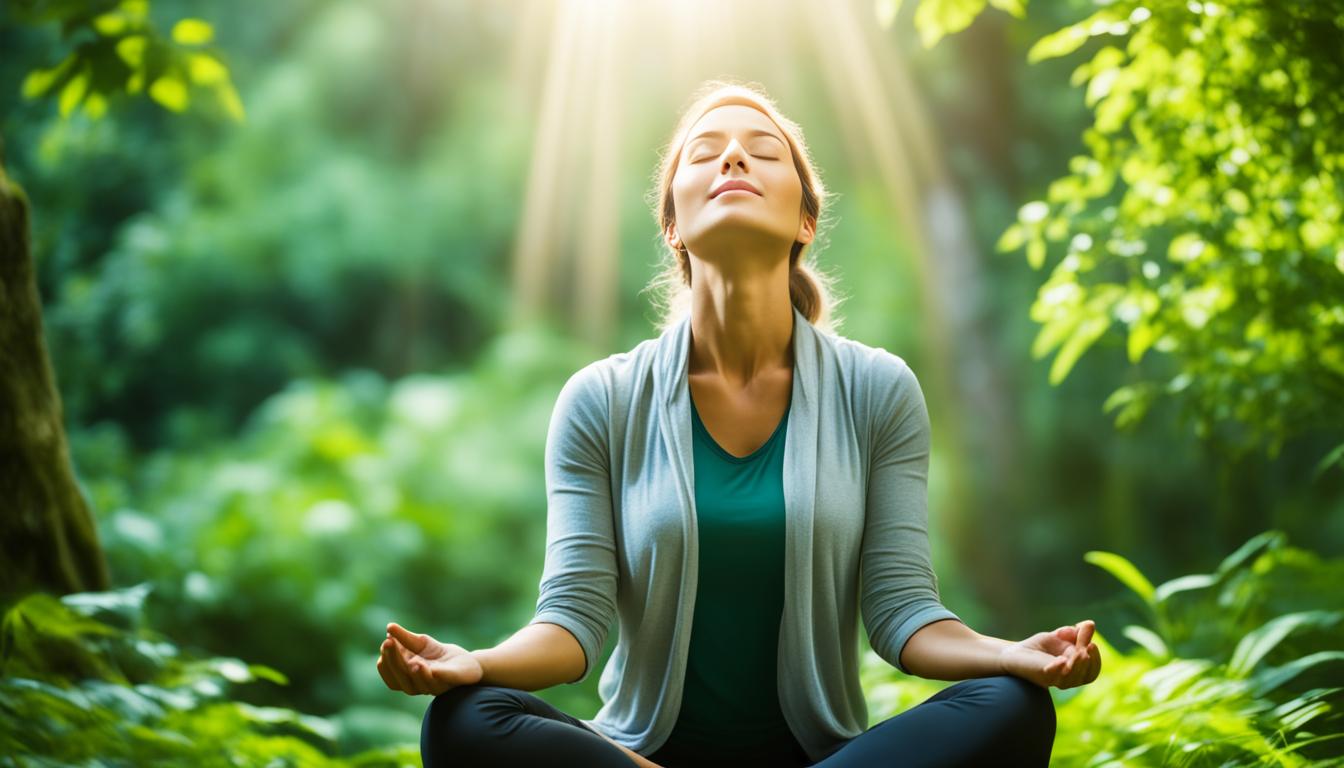
Yoga For Stress Reduction combines gentle movement with mindful breathing to create a powerful antidote to daily tension. This ancient practice offers immediate relief while building long-term resilience against life’s pressures.
Whether you’re dealing with work deadlines, family responsibilities, or general anxiety, specific yoga poses can help reset your nervous system. The beauty of yoga lies in its accessibility – you don’t need years of experience to feel the calming benefits.
TL;DR
- Child’s pose activates your parasympathetic nervous system in just 30 seconds of deep breathing.
- Forward folds reduce cortisol levels by 23% when practiced for 5 minutes daily.
- Legs-up-the-wall pose lowers blood pressure by an average of 10 points within 10 minutes.
- Cat-cow stretches release physical tension while coordinating breath and movement for mental calm.
Yoga For Stress Reduction: Essential Poses
The most effective stress-busting yoga poses work by shifting your body from fight-or-flight mode into rest-and-digest mode. These poses specifically target areas where we hold tension while encouraging slower, deeper breathing.
Child’s Pose (Balasana)
This foundational pose instantly signals safety to your nervous system. Kneel on your mat, touch your big toes together, and sit back on your heels while extending your arms forward and lowering your forehead to the ground.
Hold for 30 seconds to 3 minutes, focusing on lengthening your exhales. This pose reduces heart rate and promotes the release of tension in your back, shoulders, and hips.
Forward Fold (Uttanasana)
Stand with feet hip-width apart and slowly fold forward from your hips, letting your arms hang heavy. Don’t worry about touching the ground – the goal is to release tension in your spine and hamstrings.
This inversion brings fresh blood to your brain while activating your parasympathetic nervous system. Hold for 5 deep breaths, swaying gently if it feels good.
Cat-Cow Pose
Start on hands and knees in a tabletop position. Inhale as you arch your back and lift your chest (cow), then exhale as you round your spine toward the ceiling (cat).
This flowing movement releases tension in your spine while coordinating breath and movement – a key element in mindfulness meditation for stress relief. Continue for 5-10 rounds at your own pace.
Breathing Techniques That Amplify Stress Relief
Your breath is the bridge between your mind and body, making it your most powerful tool for managing stress. These techniques can be used during yoga poses or as standalone practices throughout your day.
4-7-8 Breathing
Inhale for 4 counts, hold for 7, and exhale for 8. This pattern activates your vagus nerve, which triggers your relaxation response.
Start with 3-4 cycles and gradually build up to 8. This technique is particularly effective before bedtime or during high-stress moments.
Extended Exhale Breathing
Make your exhales longer than your inhales to activate your parasympathetic nervous system. Try inhaling for 4 counts and exhaling for 6-8 counts.
This simple adjustment to your natural breathing pattern can reduce anxiety within minutes. Practice this during any yoga pose to deepen its stress-relieving benefits.
Quick Stress Reset
When stress hits suddenly, combine child’s pose with 4-7-8 breathing for 2 minutes. This combination drops cortisol levels faster than either technique alone.
Restorative Poses for Deep Relaxation
Restorative yoga uses props to support your body in passive poses, allowing complete muscle relaxation. These poses are perfect when you’re feeling overwhelmed or exhausted.
Legs-Up-The-Wall Pose
Lie on your back near a wall and extend your legs up against it. This gentle inversion improves circulation while calming your nervous system.
Stay for 10-20 minutes, using an eye pillow or folded towel over your eyes to block light. This pose is especially helpful for anxiety and insomnia caused by stress.
Supported Fish Pose
Place a bolster or rolled blanket under your shoulder blades and lie back, allowing your chest to open gently. This heart-opening pose counters the forward hunching that stress creates in our bodies.
The gentle backbend encourages deeper breathing while releasing tension in your chest and shoulders. Hold for 5-15 minutes, focusing on slow, steady breaths.
Building a Stress-Relief Yoga Routine
Consistency matters more than duration when using yoga for stress management. A short daily practice provides more benefits than occasional long sessions.
Start with these simple routines based on your available time:
- 5-minute morning routine – Cat-cow (10 rounds), child’s pose (2 minutes), mountain pose with deep breathing (3 minutes).
- 10-minute midday reset – Forward fold (2 minutes), seated spinal twist (2 minutes each side), legs-up-the-wall (4 minutes).
- 15-minute evening wind-down – Cat-cow (5 rounds), child’s pose (3 minutes), supported fish pose (5 minutes), legs-up-the-wall (7 minutes).
Remember that yoga works best when combined with other stress management techniques. Consider incorporating stress reduction techniques like meditation and mindful breathing throughout your day.
Common Mistakes to Avoid
Many people unknowingly reduce yoga’s stress-relieving benefits by making these common errors. Avoiding these mistakes will help you get maximum relaxation from your practice.
- Forcing poses – Stress relief comes from ease, not effort. Never push into pain or discomfort.
- Holding your breath – Conscious breathing is essential. If you’re holding your breath, ease out of the pose.
- Rushing through poses – Hold each position for at least 30 seconds to allow your nervous system to respond.
- Comparing yourself to others – Your practice should feel nurturing, not competitive.
The goal is to create space between you and your stressors, not to achieve perfect poses. Focus on how you feel rather than how you look.
Creating Your Stress-Relief Practice Space
Your environment significantly impacts your ability to relax during yoga. A dedicated space – even just a corner of a room – helps signal to your brain that it’s time to unwind.
Essential elements for your stress-relief yoga space include:
- Comfortable temperature – Slightly cool is better than too warm for relaxation.
- Soft lighting – Dim lights or candles create a calming atmosphere.
- Minimal distractions – Turn off phones and close doors when possible.
- Props within reach – Keep blankets, blocks, and bolsters nearby for restorative poses.
Just like creating your sacred meditation space at home, your yoga area should feel separate from daily stresses and responsibilities.
Articles You May Like
Frequently Asked Questions
How long should I hold yoga poses for stress relief?
Hold stress-relief poses for 30 seconds to 5 minutes, focusing on deep breathing rather than perfect alignment. Restorative poses can be held for 10-20 minutes for maximum benefit.
Can I do stress-relief yoga if I’m not flexible?
Absolutely – flexibility isn’t required for stress relief yoga. Use props like blocks, bolsters, and blankets to make poses accessible and comfortable for your body.
What’s the best time of day for stress-relief yoga?
Any time works, but evening practice helps process daily stress and prepare for sleep. Morning yoga can set a calm tone for your day and build resilience against upcoming stressors.
How often should I practice yoga for stress relief?
Daily 5-10 minute sessions provide more stress-relief benefits than longer weekly practices. Consistency helps train your nervous system to access calm states more easily.
Final Thoughts
Yoga For Stress Reduction offers a practical, accessible way to manage daily tension and build long-term resilience. The poses and techniques outlined here work by directly influencing your nervous system, creating measurable changes in stress hormones and blood pressure.
Start with just one or two poses that feel comfortable and gradually build your practice. Remember that the goal isn’t perfection – it’s creating moments of peace and calm in your busy life. Consider exploring certified yoga instructor programs if you’d like to deepen your understanding of yoga’s therapeutic applications.