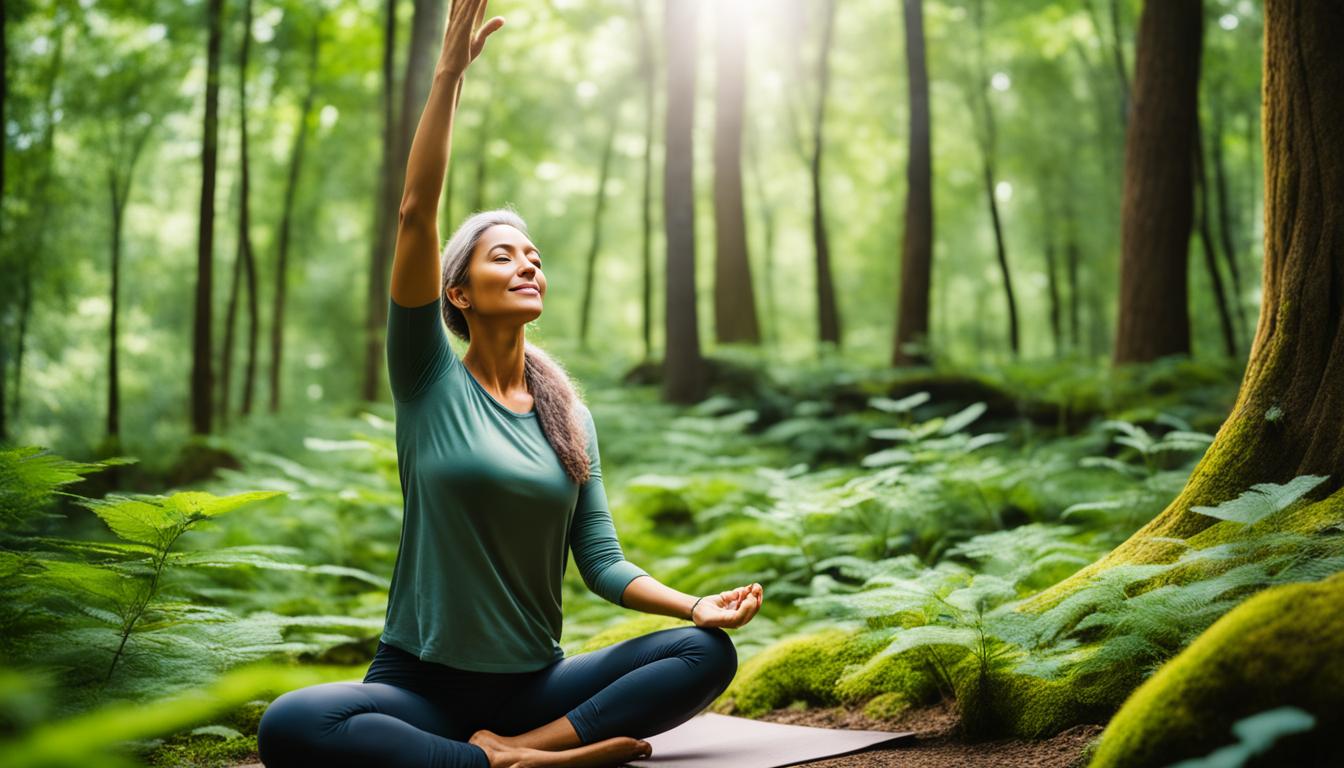
The Importance Of Self Care In A Hectic World cannot be overstated when daily life pulls us in countless directions. Modern demands from work, family, and social obligations create a constant state of stress that affects both mental and physical health.
Self-care isn’t selfish or indulgent – it’s a necessary practice that helps you function at your best. When you prioritize your well-being, you gain the energy and clarity needed to handle life’s challenges more effectively.
TL;DR
- People who practice regular self-care report 23% less stress and better sleep quality within just 2 weeks.
- Even 10 minutes of daily self-care activities can reduce cortisol levels by up to 15%.
- Self-care includes 4 main categories: physical, emotional, mental, and spiritual practices.
- Setting boundaries around work and personal time is the foundation of effective self-care.
The Importance Of Self Care In A Hectic World
Today’s world moves at breakneck speed with technology keeping us connected 24/7. The pressure to be constantly productive creates a cycle where rest feels like laziness and taking time for yourself seems impossible.
This mindset leads to burnout, anxiety, and physical exhaustion that actually makes you less effective overall. Self-care breaks this cycle by giving your mind and body the restoration they need to perform well.
What Self-Care Really Means
Self-care goes beyond bubble baths and spa days, though those can be part of it. True self-care means making choices that support your long-term health and happiness, even when they feel difficult in the moment.
It includes saying no to commitments that drain you, eating nourishing foods, getting adequate sleep, and addressing your emotional needs. Self Care and Mindfulness work together to create a foundation for better living.
Physical Self-Care Strategies
Your body needs consistent care to handle daily stresses effectively. Physical self-care forms the foundation that supports all other areas of your life.
Start with these essential physical self-care practices:
- Sleep hygiene – Aim for 7-9 hours of quality sleep by keeping a consistent bedtime and limiting screens before bed.
- Regular movement – Find 30 minutes daily for walking, stretching, or any physical activity you enjoy.
- Nutritious eating – Focus on whole foods that give you steady energy throughout the day.
- Hydration – Drink water consistently rather than waiting until you feel thirsty.
- Medical care – Keep up with regular checkups and address health concerns promptly.
Mental and Emotional Self-Care
Your mental health needs just as much attention as your physical health. Mental self-care involves activities that help you process emotions and maintain psychological well-being.
Effective mental self-care includes setting boundaries with people who drain your energy and learning to say no without guilt. It also means giving yourself permission to feel difficult emotions rather than pushing them aside.
Daily Mental Health Practices
- Journaling. Write down your thoughts and feelings for 5-10 minutes each day to process experiences.
- Mindfulness. Practice staying present rather than worrying about the future or dwelling on the past.
- Gratitude. Notice three good things that happened each day, no matter how small.
- Connection. Spend quality time with people who support and understand you.
Mindful Approaches to Emotion Regulation can help you develop healthy ways to handle stress and difficult feelings.
Start Small for Big Changes
Choose one self-care activity you can do for just 5 minutes today. Consistency with small actions creates lasting habits better than trying to overhaul your entire routine at once.
Creating Boundaries in a Busy World
Boundaries protect your time and energy from being constantly depleted by others’ demands. Without clear boundaries, you’ll find yourself saying yes to everything and having no time left for yourself.
Start by identifying what drains your energy most – whether it’s certain people, activities, or commitments. Then practice saying no to requests that don’t align with your priorities or values.
Technology Boundaries
Digital overwhelm contributes significantly to modern stress levels. Creating technology boundaries helps you reclaim mental space and reduces constant stimulation.
Set specific times when you check email and social media rather than responding to notifications all day. Consider using website blocking apps to help maintain focus during work hours or personal time. Mindful Technology Use Finding Balance offers practical strategies for healthier digital habits.
Self-Care When Time Feels Limited
The biggest obstacle to self-care is often feeling like there’s no time for it. However, self-care doesn’t require hours of free time – it requires intentional choices throughout your existing schedule.
Micro self-care moments can be just as effective as longer activities. Take three deep breaths before stressful meetings, listen to calming music during your commute, or practice gratitude while brushing your teeth.
Quick Self-Care Options
- 2 minutes – Practice deep breathing or do gentle neck stretches.
- 5 minutes – Take a walk outside or write in a journal.
- 10 minutes – Take a hot shower mindfully or call a supportive friend.
- 15 minutes – Do a guided meditation or prepare a healthy snack.
Daily Self Care Practices For Well Being shows how to weave self-care into your regular routine without adding more to your to-do list.
The Ripple Effect of Self-Care
When you take care of yourself consistently, the benefits extend far beyond your personal well-being. You become more patient with family members, more focused at work, and more present in your relationships.
Self-care also models healthy behavior for children and others around you. It shows that taking care of yourself is not only acceptable but necessary for living well.
Long-Term Benefits
Regular self-care practices lead to improved immune function, better stress management, and increased resilience during difficult times. Research from the National Institute of Mental Health shows that consistent self-care activities significantly reduce symptoms of anxiety and depression. You’ll find yourself better equipped to handle unexpected challenges when your baseline well-being is strong.
Mindful Living helps you stay connected to what truly matters rather than getting caught up in constant busyness.
Articles You May Like
Frequently Asked Questions
How do I find time for self-care when I’m already overwhelmed?
Start with 2-3 minute activities like deep breathing or gratitude practice. Self-care doesn’t require large time blocks – consistency with small actions creates meaningful change.
Is self-care selfish when others need my help?
Self-care enables you to help others more effectively by preventing burnout and maintaining your energy. Taking care of yourself is actually a service to those who depend on you.
What if I feel guilty taking time for myself?
Guilt around self-care is common but misplaced. Remember that self-care improves your ability to show up for others and handle responsibilities effectively.
How do I know what type of self-care I need?
Pay attention to what feels most depleted – if you’re physically tired, focus on rest and nutrition. If you’re emotionally drained, prioritize activities that restore your mental well-being.
Final Thoughts
The Importance Of Self Care In A Hectic World becomes clear when you realize that neglecting yourself ultimately hurts everyone around you. Self-care isn’t a luxury – it’s essential maintenance for living well.
Start with one small self-care practice this week and build from there. Your future self will thank you for making this investment in your well-being today.