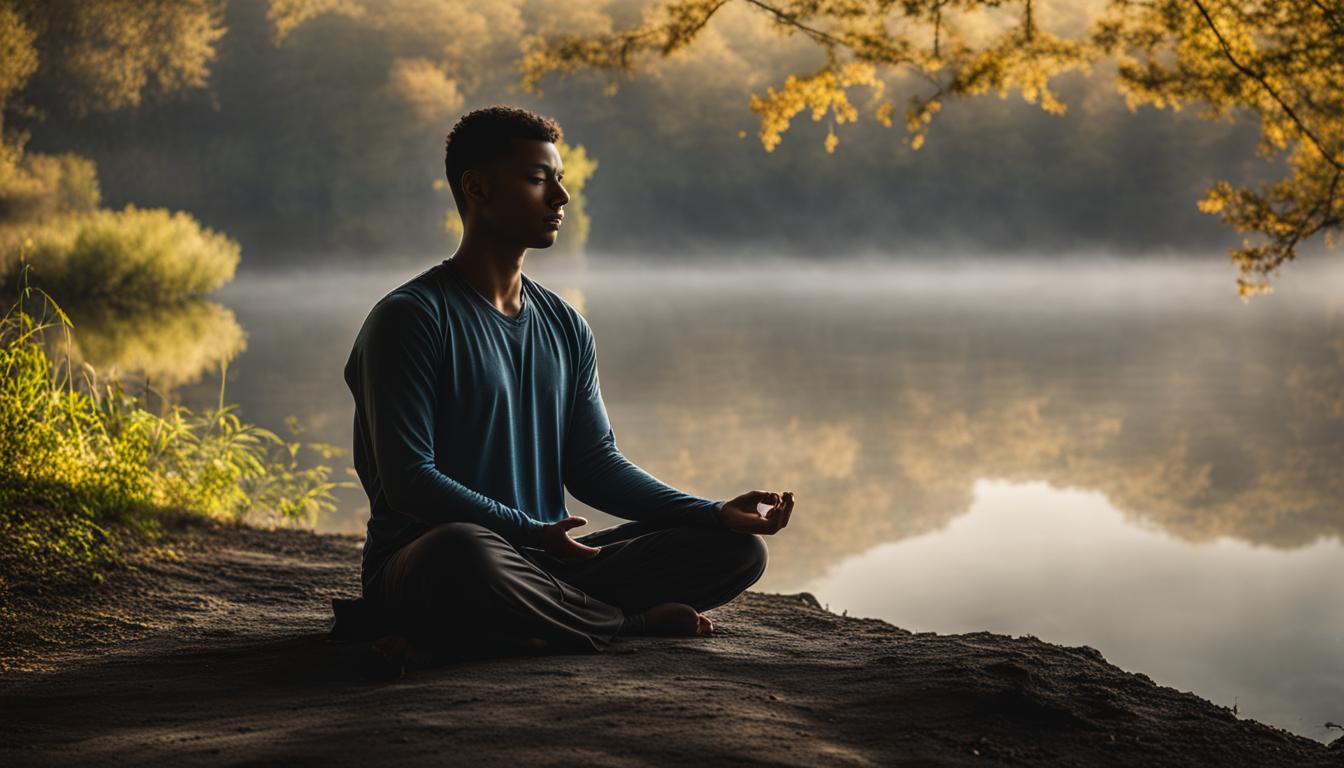
Preparing Mentally For Your First Meditation Session can feel overwhelming when you’re not sure what to expect or how your mind will respond. Many beginners worry about doing it “wrong” or whether they’ll be able to quiet their racing thoughts during their first attempt.
The truth is that mental preparation is just as important as finding the right cushion or quiet space. When you approach your first session with realistic expectations and a gentle mindset, you’re much more likely to have a positive experience that encourages you to continue.
TL;DR
- Start with just 5-10 minutes for your first session to build confidence without overwhelming yourself.
- Expect your mind to wander 70-80% of the time during early sessions – this is completely normal and part of the process.
- Choose a consistent time of day when you feel naturally calm, such as early morning or before bedtime.
- Focus on one simple technique like breath awareness rather than trying multiple approaches in your first session.
Preparing Mentally For Your First Meditation Session
Your mental approach to meditation matters more than perfect conditions or expensive equipment. The biggest mistake beginners make is expecting immediate results or trying to force their mind into complete stillness right away.
Think of your first session as a gentle introduction rather than a test you need to pass. The benefits of meditation for beginners unfold gradually over time, so releasing pressure to achieve anything specific will actually help you succeed.
Setting Realistic Expectations
Most people expect meditation to feel peaceful and serene from the very first moment. In reality, you might feel restless, notice racing thoughts, or even feel more aware of stress and tension than usual.
This awareness is actually a sign that meditation is working – you’re becoming more conscious of what’s happening in your mind and body. Professional meditation teachers often say that noticing when your mind wanders and gently returning attention to your breath is the actual practice, not maintaining perfect focus.
What Really Happens During First Sessions
Here’s what you can realistically expect during your initial meditation attempts:
- Mind wandering – Your thoughts will drift to daily concerns, future plans, or random memories every few seconds.
- Physical restlessness – You might feel the urge to move, adjust your position, or scratch an itch.
- Time distortion – Five minutes might feel like twenty, or twenty minutes might pass in what feels like five.
- Emotional surfacing – Suppressed feelings or unexpected emotions might arise during quiet moments.
- Doubt and judgment – You might question whether you’re doing it right or if meditation is for you.
Choosing Your Mental Approach
The way you frame meditation in your mind significantly impacts your experience. Instead of viewing it as a performance or achievement, approach it as a friendly experiment with your own awareness.
Cultivate what meditation teachers call “beginner’s mind” – a sense of curiosity and openness without predetermined goals. Overcoming hesitation about starting meditation becomes much easier when you remove the pressure to succeed.
Helpful Mental Frameworks
Try adopting one of these mental approaches for your first session:
- The scientist approach. Observe what happens in your mind and body with curiosity rather than judgment.
- The friendly observer. Watch your thoughts like clouds passing in the sky – present but not permanent.
- The gentle parent. Treat yourself with the same patience you’d show a child learning something new.
- The explorer mindset. View each session as discovering something new about your inner world.
Preparing for Common Mental Challenges
Knowing what mental obstacles you might encounter helps you respond skillfully rather than getting discouraged. The most common challenges include racing thoughts, self-criticism, impatience, and comparing your experience to others.
Remember that every meditator faces these same challenges, regardless of experience level. Dealing with restlessness during meditation is a skill that develops over time, not something you need to master immediately.
Pre-Session Mental Reset
Before you begin meditating, take three deep breths and remind yourself: “There’s no way to do this wrong. Whatever happens is exactly what’s supposed to happen right now.”
Racing Thoughts Strategy
When your mind feels particularly busy, use this simple mental preparation technique:
- Acknowledge the mental activity – Notice that your mind is active without trying to change it.
- Set a gentle intention – Decide to work with whatever arises rather than against it.
- Choose one anchor – Pick either breath, body sensations, or sounds as your primary focus point.
- Practice returning – Expect to redirect attention many times and see this as success, not failure.
Building Mental Confidence
Confidence in meditation comes from understanding that the practice itself is simple, even when it doesn’t feel easy. Your only job is to notice when your mind wanders and gently guide attention back to your chosen focus point.
Many beginners feel more confident when they understand that meditation is a skill-building exercise for the mind, similar to physical exercise for the body. Starting your meditation journey with a structured approach can provide the framework you need to build lasting confidence.
Pre-Session Confidence Builders
Try these mental preparation techniques before your first session:
- Read success stories. Learn about others who started from complete beginner status and developed a regular practice.
- Set micro-goals. Aim to simply sit still for your chosen duration rather than achieving any particular mental state.
- Prepare for imperfection. Decide in advance that mind-wandering and restlessness are normal parts of the process.
- Plan your response. Decide how you’ll gently redirect attention when you notice your mind has drifted.
Articles You May Like
Frequently Asked Questions
What if my mind won’t stop racing during my first session?
A racing mind is completely normal and expected during first sessions. The goal isn’t to stop thoughts but to notice when you’re thinking and gently return attention to your breath or chosen focus point.
How long should I meditate for my very first time?
Start with just 5-10 minutes for your first session. This duration is long enough to experience the practice but short enough to avoid feeling overwhelmed or discouraged.
Is it normal to feel more anxious during my first meditation?
Yes, some people initially feel more aware of anxiety or restlessness when they first sit quietly. This increased awareness is actually a positive sign that you’re becoming more conscious of your mental and physical state.
What should I do if I feel like I’m failing at meditation?
Remember that noticing when your mind wanders and bringing attention back to your focus point is the actual practice. There’s no such thing as failing at meditation – every moment of awareness is success.
Final Thoughts
Preparing Mentally For Your First Meditation Session is about approaching the practice with patience, curiosity, and realistic expectations rather than demanding immediate results. The most successful meditators are those who treat their early sessions as learning experiences rather than performance tests.
Finding your personal motivation for meditation and maintaining a gentle, experimental attitude will serve you far better than trying to achieve perfect stillness right away. Start with just five minutes and remember that every moment of awareness counts as success.