Chakra Meditation is a powerful practice that focuses on aligning the seven energy centers in our bodies to achieve harmony and well-being. This ancient technique has gained widespread recognition for its ability to restore balance to our physical, emotional, and spiritual health through targeted attention to each energy center.
By working with these spinning wheels of energy, you can address specific blockages and promote healing throughout your entire being. The practice combines visualization, breathing techniques, and mindful awareness to activate and balance each chakra from the root to the crown.
TL;DR
- Seven main chakras run from the base of your spine to the top of your head, each governing different aspects of health and consciousness.
- Regular chakra meditation can improve physical symptoms like digestion and immune function while reducing anxiety and emotional imbalances.
- Each chakra resonates at specific frequencies – root chakra at 396 Hz, heart chakra at 639 Hz, and crown chakra at 963 Hz.
- Simple daily practices like spending 10 minutes in nature or chanting mantras can help maintain chakra alignment between meditation sessions.
Chakra Meditation: Understanding the Energy Centers
The seven main chakras serve as energy centers that influence different aspects of your physical and emotional well-being. Each chakra has unique characteristics and governs specific areas of your life experience.
These energy centers work together as an interconnected system. When one chakra becomes blocked or imbalanced, it can affect the entire energy flow throughout your body.
Root Chakra: Foundation and Security
Located at the base of your spine, the root chakra represents stability and your basic survival needs. When balanced, you feel grounded and secure in your daily life.
Blockages here often manifest as anxiety about money, housing, or basic safety. Physical symptoms may include lower back pain or digestive issues.
Sacral Chakra: Creativity and Emotions
The sacral chakra sits below your navel and governs creativity, sexuality, and emotional expression. A healthy sacral chakra allows you to experience joy and maintain healthy relationships.
When blocked, you might struggle with creative blocks, emotional numbness, or relationship difficulties. Physical symptoms can include reproductive issues or lower abdominal pain.
Solar Plexus Chakra: Personal Power
Your solar plexus chakra, located in the upper abdomen, controls personal power and self-confidence. This energy center helps you assert yourself and pursue your goals with determination.
Imbalances here lead to low self-esteem, difficulty making decisions, or feeling powerless. You might experience stomach problems or fatigue when this chakra needs attention.
Heart Chakra: Love and Compassion
The heart chakra sits in the center of your chest and governs love, compassion, and emotional healing. This chakra bridges the lower physical chakras with the upper spiritual ones.
When your heart chakra flows freely, you can give and receive love easily. Blockages create difficulties with forgiveness, fear of intimacy, or feeling disconnected from others.
Throat Chakra: Communication and Truth
Located at your throat, this chakra controls communication and authentic self-expression. A balanced throat chakra allows you to speak your truth with clarity and confidence.
Throat chakra blockages show up as difficulty expressing yourself, fear of public speaking, or problems with listening. Physical symptoms might include throat pain or thyroid issues.
Third Eye Chakra: Intuition and Insight
The third eye chakra, positioned between your eyebrows, governs intuition, wisdom, and spiritual awareness. This energy center connects you to your inner knowing and higher consciousness.
When balanced, you trust your intuition and see situations clearly. Imbalances create confusion, lack of direction, or difficulty accessing your inner wisdom.
Crown Chakra: Spiritual Connection
At the top of your head, the crown chakra represents your connection to divine consciousness and universal energy. This chakra opens you to spiritual growth and enlightenment.
A healthy crown chakra brings feelings of peace, purpose, and connection to something greater than yourself. Blockages might manifest as spiritual disconnection or feeling lost in life.
How to Practice Chakra Meditation
Begin your chakra meditation by finding a quiet space where you won’t be disturbed. Sit comfortably with your spine straight, either in a chair or cross-legged on a cushion.
Close your eyes and take several deep breaths to center yourself. Focus on your breath as it naturally flows in and out, allowing your body to relax with each exhale.
Step-by-Step Chakra Meditation Process
- Start with grounding. Visualize roots growing from your tailbone deep into the earth, connecting you to stable, grounding energy.
- Focus on each chakra individually. Begin at the root chakra and work your way up, spending 2-3 minutes on each energy center.
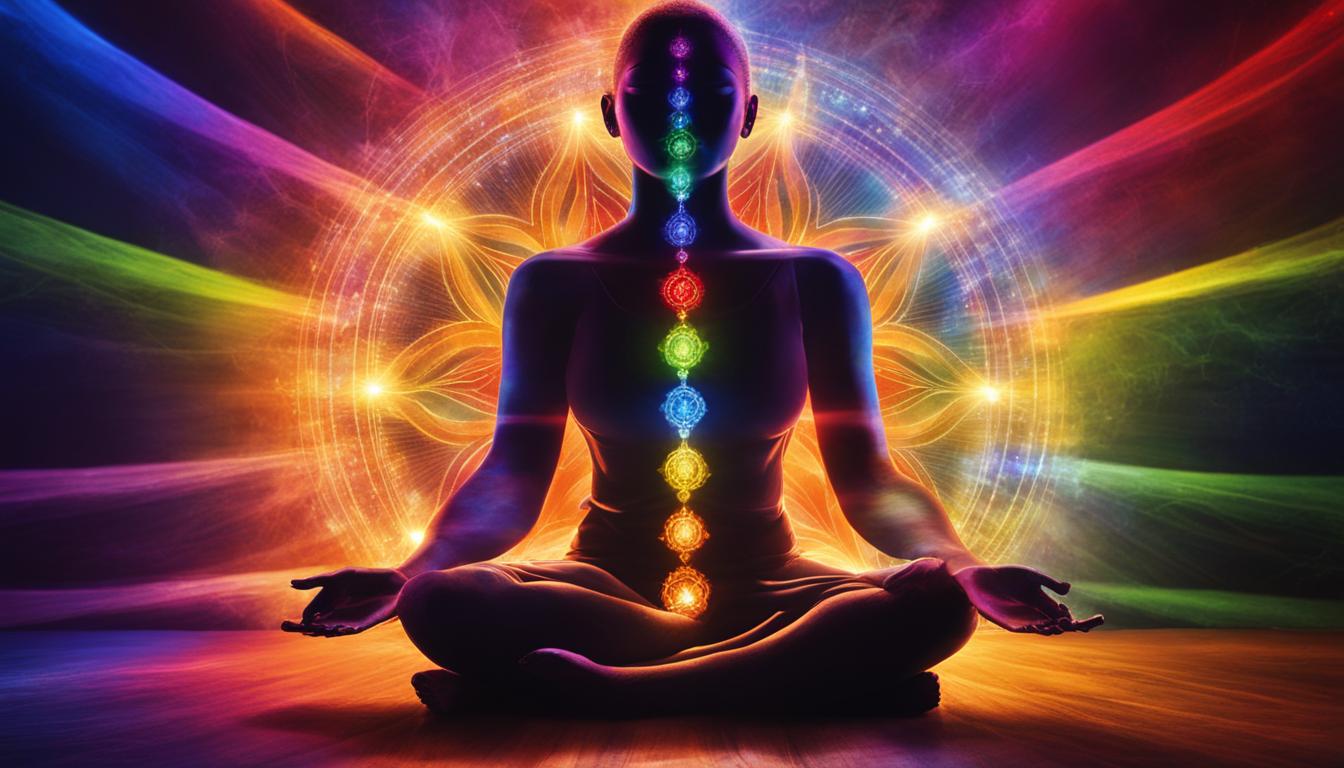
- Use visualization. Picture each chakra as a spinning wheel of light in its associated color – red for root, orange for sacral, yellow for solar plexus.
- Breathe into each chakra. Imagine breathing healing light directly into each energy center as you focus your attention there.
- Release blocked energy. As you exhale, visualize any stagnant or negative energy leaving your body and dissolving into the earth.
Complete your practice by visualizing all seven chakras spinning in perfect harmony. See a column of bright light connecting each energy center from your tailbone to the top of your head.
Quick Alignment Tip
If you’re short on time, spend just 30 seconds visualizing each chakra spinning freely. This mini-practice can help maintain balance between longer meditation sessions.
Benefits of Regular Chakra Meditation
Consistent chakra meditation practice brings improvements to your physical health, emotional well-being, and spiritual awareness. Many practitioners notice positive changes within just a few weeks of regular practice.
The practice works by removing energy blockages that can manifest as both physical symptoms and emotional imbalances. When energy flows freely through your chakras, your entire system functions more efficiently.
Physical Health Improvements
- Better digestion – Root and solar plexus chakra work often improves digestive function
- Stronger immune system – Balanced energy flow supports overall physical vitality
- Reduced chronic pain – Many practitioners report less back pain and tension headaches
- Improved sleep quality – Regular practice helps calm the nervous system for better rest
Emotional and Mental Benefits
- Reduced anxiety and stress – Chakra meditation activates the relaxation response
- Greater emotional stability – Balanced chakras help you respond rather than react to challenges
- Increased self-confidence – Solar plexus and throat chakra work builds personal power
- Enhanced creativity – Sacral chakra activation often unlocks creative potential
Identifying Which Chakras Need Attention
Learning to recognize the signs of chakra imbalances helps you target your meditation practice more effectively. Each chakra has specific physical and emotional symptoms when blocked or overactive.
Pay attention to recurring patterns in your life, persistent physical symptoms, or emotional challenges that keep surfacing. These often point to specific chakras that need healing work.
Common Signs of Chakra Imbalances
- Root chakra issues – Financial worries, feeling unsafe, lower back pain, constipation
- Sacral chakra problems – Creative blocks, relationship difficulties, reproductive issues
- Solar plexus imbalances – Low self-esteem, digestive problems, difficulty making decisions
- Heart chakra blockages – Difficulty with relationships, chest tightness, fear of intimacy
- Throat chakra issues – Communication problems, neck pain, fear of speaking up
- Third eye imbalances – Confusion, headaches, difficulty trusting intuition
- Crown chakra blockages – Feeling disconnected spiritually, depression, top of head sensitivity
Once you identify problem areas, spend extra time during meditation focusing on those specific chakras. You can also incorporate energy healing techniques that target particular energy centers.
Sound and Frequency in Chakra Meditation
Sound plays a powerful role in chakra healing, with each energy center responding to specific frequencies and mantras. Using sound during meditation can deepen your practice and accelerate healing.
The ancient practice of chanting mantras creates vibrations that resonate with each chakra’s natural frequency. These sound waves help clear blockages and restore balanced energy flow.
Chakra Frequencies and Mantras
- Root Chakra (396 Hz) – Mantra: “LAM” – grounds and stabilizes energy
- Sacral Chakra (417 Hz) – Mantra: “VAM” – enhances creativity and emotional flow
- Solar Plexus (528 Hz) – Mantra: “RAM” – builds confidence and personal power
- Heart Chakra (639 Hz) – Mantra: “YAM” – opens the heart to love and compassion
- Throat Chakra (741 Hz) – Mantra: “HAM” – improves communication and self-expression
- Third Eye (852 Hz) – Mantra: “OM” – awakens intuition and inner wisdom
- Crown Chakra (963 Hz) – Mantra: “OM” or silence – connects to divine consciousness
You can find chakra frequency music on Spotify or apps that play specific Hz tones during meditation. Many practitioners enjoy combining these sounds with their visualization practice for enhanced results.
Maintaining Chakra Balance in Daily Life
Chakra alignment extends beyond formal meditation sessions into your everyday activities and lifestyle choices. Simple daily practices help maintain the balance you create during meditation.
Regular self-care practices support chakra health by reducing stress and maintaining positive energy flow throughout your system.
Daily Chakra Maintenance Practices
- Morning intention setting – Start each day by briefly checking in with your energy centers
- Mindful movement – Yoga, walking, or stretching help keep energy flowing freely
- Healthy nutrition – Eating foods that match chakra colors supports each energy center
- Time in nature – Outdoor activities naturally rebalance and recharge your energy system
- Creative expression – Art, music, or writing activities support sacral chakra health
- Gratitude practice – Regular appreciation opens and maintains heart chakra flow
Color therapy also supports chakra balance – wearing or surrounding yourself with specific chakra colors can provide gentle, ongoing support for each energy center.
Articles You May Like
Frequently Asked Questions
How long should I meditate on each chakra?
Spend 2-5 minutes on each chakra when starting out. As you become more experienced, you can extend this to 5-10 minutes per energy center based on what feels right for your practice.
Can I focus on just one chakra during meditation?
Yes, you can focus on a single chakra if it needs special attention. However, it’s beneficial to briefly check in with all seven chakras to maintain overall balance in your energy system.
What should I do if I feel emotional during chakra meditation?
Emotional releases are normal during chakra work as you clear blockages. Allow the feelings to flow naturally while maintaining gentle breathing, and consider ending the session if emotions become overwhelming.
How often should I practice chakra meditation?
Daily practice is ideal, even if just for 10-15 minutes. Consistency matters more than duration – regular short sessions are more beneficial than occasional long ones.
Final Thoughts
Chakra Meditation offers a powerful path to healing and balance by working directly with your body’s energy centers. Through regular practice of chakra activation techniques, you can address physical symptoms, emotional imbalances, and spiritual disconnection at their energetic source.
Start with just 15 minutes daily, focusing on one chakra at a time, and notice how this ancient practice brings greater harmony to your mind, body, and spirit. With patience and consistency, chakra meditation becomes a reliable tool for maintaining your overall well-being and supporting your journey of personal growth.