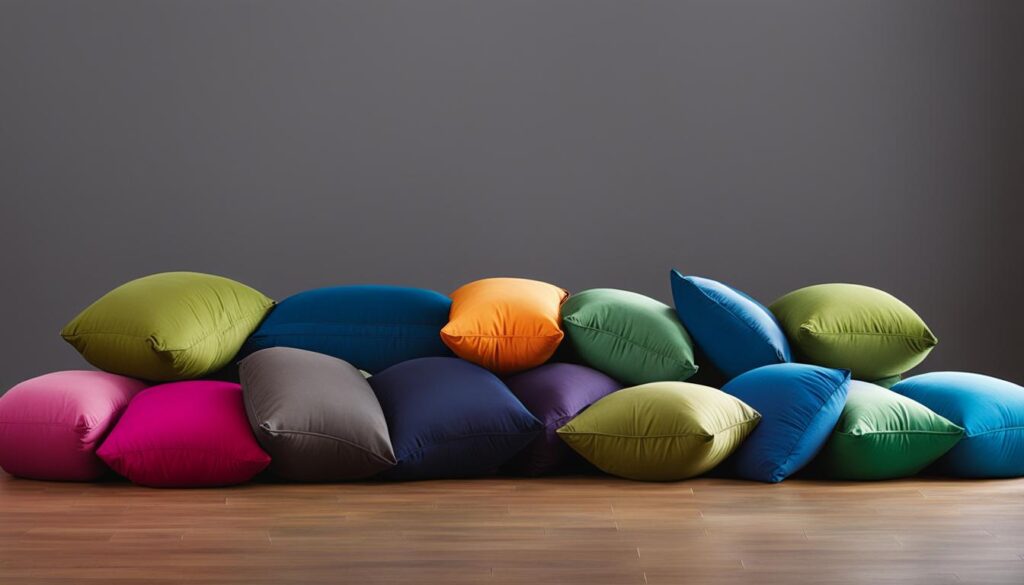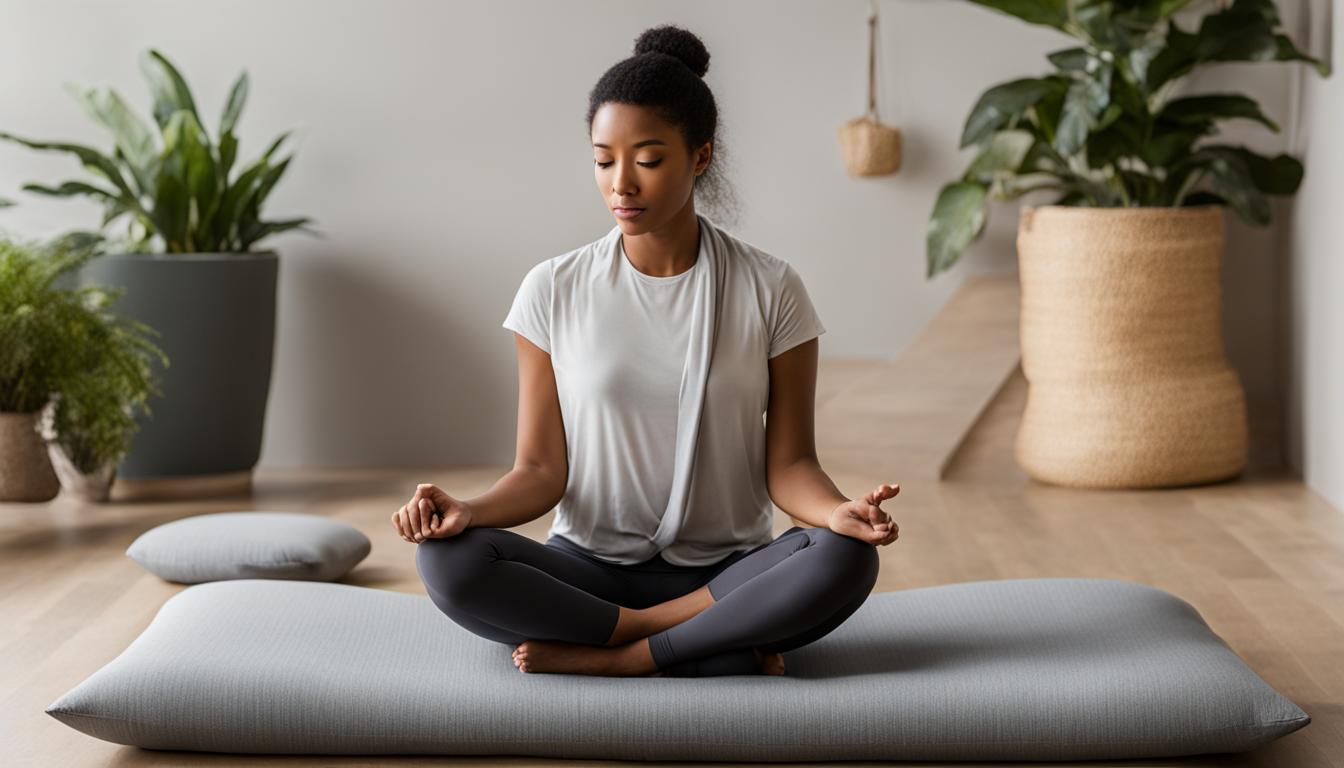
Meditation Cushion Guide essentials can transform your daily practice by providing the support and alignment your body needs for comfortable sitting. Finding the right cushion makes a significant difference in your ability to maintain proper posture during longer meditation sessions. A well-chosen meditation cushion helps reduce physical distractions so you can focus on developing inner awareness and peace.
The right cushion supports your spine’s natural curve while keeping your hips slightly elevated above your knees. This positioning reduces strain on your lower back and allows energy to flow more freely through your body during practice.
TL;DR
- Zafu cushions filled with buckwheat hulls provide firm support and conform to your body shape for optimal alignment.
- Cushion height should elevate your hips 3-6 inches above your knees depending on your flexibility level.
- Kapok and cotton batting fillings offer different firmness levels – kapok stays firm while cotton provides softer support.
- Quality meditation cushions from established brands like Sage Meditation cost $40-$120 and last 5-10 years with proper care.
Meditation Cushion Guide: Essential Benefits
Your spine naturally curves in an S-shape, but sitting on flat surfaces forces it into unnatural positions. A meditation cushion maintains your spine’s proper alignment by lifting your hips and creating the ideal angle for comfortable sitting.
When you sit directly on the floor, your pelvis tilts backward and your spine rounds into a C-shape. This causes tension in your lower back and makes it difficult to breathe deeply during meditation.
Physical Support and Comfort
Quality meditation cushions provide several key benefits for your practice:
- Spinal alignment – Elevates your hips to maintain your spine’s natural curve
- Reduced joint pressure – Takes weight off your knees, ankles, and feet
- Better circulation – Prevents numbness and tingling in your legs
- Longer sessions – Allows comfortable sitting for 20-45 minutes or more
Many practitioners find they can meditate for significantly longer periods once they start using proper cushioning. The right posture becomes sustainable rather than a source of distraction.
Types of Meditation Cushions
Different cushion styles support various sitting positions and body types. Understanding your options helps you choose the best fit for your practice.
Zafu Cushions
Round zafu cushions are the traditional choice for cross-legged meditation positions. They typically measure 12-14 inches in diameter and 5-8 inches high when filled.
Zafus work well for lotus, half-lotus, and simple cross-legged positions. The round shape provides stable support while allowing your legs to rest comfortably on either side.
Zabuton Cushions
Rectangular zabuton cushions create a padded surface for your knees and ankles. They measure approximately 26 x 30 inches and provide 1-3 inches of cushioning.
Most practitioners use zabutons together with zafus for complete lower body support. The combination protects your joints from hard flooring while maintaining proper hip elevation.
Crescent Cushions
Crescent-shaped cushions fit around your body to support your legs and reduce strain on your hip flexors. The curved design accommodates various sitting positions while providing targeted support where you need it most.
These cushions work particularly well for people with tight hips or knee issues who find traditional cross-legged positions challenging.
Meditation Benches
Kneeling benches support a seiza (Japanese kneeling) position where you kneel with the bench supporting your weight. This position keeps your spine straight without requiring flexible hips.
Benches typically stand 6-9 inches high and include angled seats that promote proper spinal alignment. Many fold flat for easy transport to meditation classes or retreats.
Choose Based on Your Flexibility
If you can sit cross-legged comfortably for 10+ minutes, start with a zafu. If your hips or knees feel tight, consider a crescent cushion or meditation bench instead.
Cushion Filling Materials
The filling material affects your cushion’s firmness, durability, and comfort level. Each option offers distinct advantages for different preferences.
Buckwheat Hulls
Buckwheat hulls create firm, supportive cushions that conform to your body shape. The hulls shift and settle to provide customized support while maintaining their structure over time.
These natural fillings stay cool during use and make a subtle rustling sound when you adjust your position. Quality buckwheat hull cushions maintain their shape for 3-5 years with regular use.
Kapok Fiber
Kapok provides dense, consistent support without the shifting sensation of buckwheat hulls. This natural fiber from tropical trees offers medium-firm support that works well for most body types.
Kapok cushions feel more stable than buckwheat options and produce no sound when you move. The fiber naturally resists moisture and maintains its loft longer than cotton alternatives.
Cotton and Wool
Cotton batting creates softer cushions that compress more under your body weight. While comfortable initially, cotton tends to flatten over time and may need refilling after 1-2 years.
Wool maintains its loft better than cotton while providing natural temperature regulation. However, wool cushions cost more and require careful maintenance to prevent moisture damage.
Selecting the Right Size and Height
Proper cushion height depends on your hip flexibility and preferred sitting position. The goal is elevating your hips enough to tip your pelvis slightly forward while keeping your knees lower than your hip bones.
Height Guidelines
Most practitioners need cushions between 4-8 inches high depending on their flexibility:
- Flexible hips (lotus position) – 3-5 inch cushions work well
- Moderate flexibility – 5-7 inch cushions provide good support
- Limited flexibility – 7-9 inch cushions or meditation benches
- Physical restrictions – Consider chairs with meditation cushions
You can always add a folded blanket or towel under your cushion to increase height as needed. Start lower and adjust upward rather than beginning with a cushion that’s too high.
Testing Your Setup
When properly positioned, you should feel stable and balanced without leaning forward or backward. Your breathing should feel natural and unrestricted throughout your meditation session.
If you feel pressure in your knees or your feet fall asleep quickly, try a higher cushion or different position. Creating a comfortable space takes some experimentation to find what works best for your body.
Using Your Meditation Cushion Effectively
Proper cushion placement and gradual adjustment help you get the most benefit from your investment. Small positioning changes can make a significant difference in your comfort level.
Place the cushion so it supports the front edge of your sitting bones rather than centering your entire pelvis on top. This positioning naturally tilts your pelvis forward and supports your spine’s curve.
Breaking In Your Cushion
New cushions often feel firmer than they will after regular use. Buckwheat hull cushions especially need time to conform to your body shape and settle into their final firmness level.
Start with shorter meditation sessions and gradually increase duration as both you and your cushion adjust. Most cushions reach their optimal feel after 2-3 weeks of regular use.
Where to Buy Quality Meditation Cushions
Several retailers specialize in meditation supplies and offer high-quality cushions with good return policies. Online shopping provides the widest selection, while local stores let you test cushions before buying.
Recommended Retailers
These established companies offer quality cushions with reliable customer service:
- DharmaCrafts – Wide selection of traditional and modern designs
- Samadhi Cushions – Handmade cushions with customization options
- Carolina Morning Designs – Organic and eco-friendly materials
- Hugger Mugger – Affordable options with good durability
Many meditation centers also sell cushions and can provide guidance based on your specific needs. Supporting local businesses often means better customer service and the ability to try before you buy.
Price Ranges
Quality meditation cushions typically cost between $40-$120 depending on size, materials, and construction quality. Basic cotton-filled cushions start around $30, while premium organic options can cost $150 or more.
Consider your cushion an investment in your long-term practice. A well-made cushion lasts 5-10 years with regular use, making the cost very reasonable when spread over time.
Articles You May Like
Frequently Asked Questions
How do I know if my meditation cushion is the right height?
Your hips should sit slightly higher than your knees, with your pelvis tilted slightly forward. You should feel stable without leaning and be able to breathe comfortably throughout your session.
Can I use a regular pillow instead of a meditation cushion?
Regular pillows compress too much and don’t provide the firm support needed for proper spinal alignment. A meditation cushion maintains its shape and provides consistent support throughout your practice.
How often should I replace my meditation cushion?
Quality cushions last 5-10 years with regular use. Replace your cushion when it no longer holds its shape, becomes uncomfortable, or develops tears that affect the filling.
What’s the difference between buckwheat hulls and kapok filling?
Buckwheat hulls conform to your body shape and make a subtle sound when you move. Kapok provides consistent firm support without shifting or noise, but doesn’t mold to your body as much.
Final Thoughts
Meditation Cushion Guide information helps you choose the right support for developing a sustainable daily practice. The right cushion eliminates physical distractions so you can focus on building mindfulness and inner calm.
Start with a basic zafu or crescent cushion that fits your budget and sitting style. You can always upgrade or add accessories like zabutons as your practice develops and your needs become clearer.