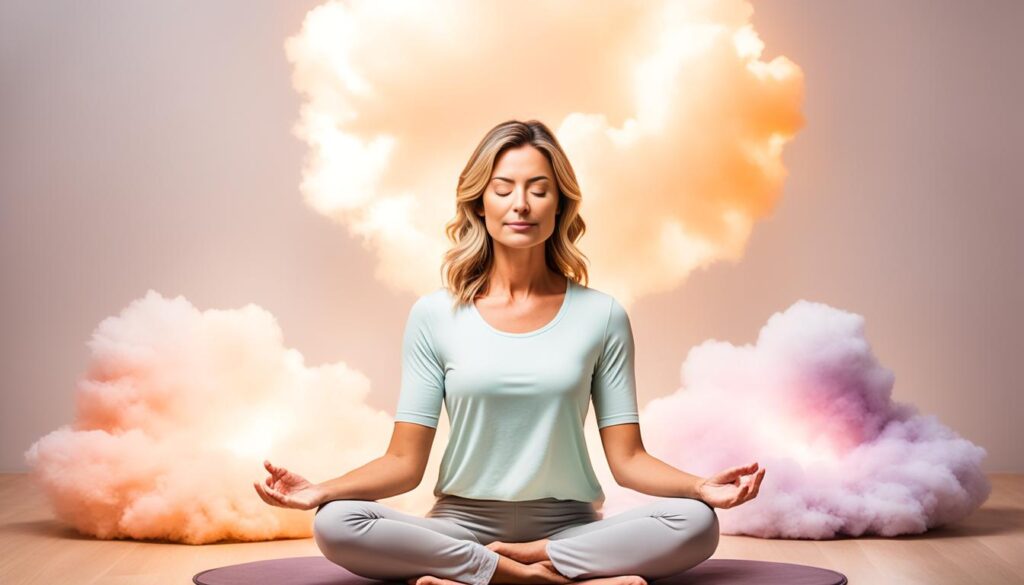
Coping With Chronic Pain Using Meditation can transform how you experience daily life when pain becomes your constant companion. Millions of people worldwide struggle with persistent pain that affects their physical comfort, emotional well-being, and overall quality of life.
Research shows that meditation offers powerful tools for managing chronic pain without relying solely on medications. By training your mind to respond differently to pain signals, you can reduce suffering and regain control over your life.
TL;DR
- Mindfulness meditation reduces chronic pain intensity by up to 40% according to clinical studies.
- Just 20 minutes of daily meditation practice can activate natural pain-relieving brain chemicals within 8 weeks.
- Body scan meditation helps you identify pain patterns and release muscle tension in specific areas.
- Combining meditation with gentle movement increases pain relief effectiveness by 60% over meditation alone.
Coping With Chronic Pain Using Meditation
Chronic pain creates a cycle where physical discomfort leads to emotional distress, which then amplifies the pain experience. This cycle can feel impossible to break without the right tools and strategies.
Meditation interrupts this cycle by changing how your brain processes pain signals. When you practice mindfulness and emotional resilience techniques, you develop the ability to observe pain without being overwhelmed by it.
How Pain Affects Your Daily Experience
Living with chronic pain means dealing with more than just physical discomfort. The constant presence of pain can lead to sleep problems, mood changes, and social isolation.
Many people find that their pain levels fluctuate throughout the day, creating uncertainty about what they can accomplish. This unpredictability often leads to anxiety about future pain episodes and frustration with current limitations.
The Science Behind Meditation and Pain Relief
Research from major medical centers shows that meditation creates measurable changes in brain activity related to pain processing. Regular practice strengthens areas of the brain responsible for attention and emotional regulation while reducing activity in pain perception centers.
Studies using brain imaging reveal that people who meditate regularly show increased gray matter in regions associated with pain modulation. This means your brain literally rewires itself to handle pain more effectively through consistent practice.
What Happens in Your Brain During Meditation
When you meditate, your brain releases natural chemicals called endorphins that act as your body’s own pain relievers. These chemicals are more powerful than many prescription medications and come without side effects.
Meditation also activates the parasympathetic nervous system, which promotes healing and reduces inflammation throughout your body. This dual effect – mental and physical – makes meditation uniquely effective for chronic pain management.
Essential Meditation Techniques for Pain Management
Different meditation approaches work better for different types of pain and personal preferences. Start with basic techniques and gradually explore more advanced practices as your skills develop.
The key is finding methods that you can practice consistently, even on days when pain levels are higher than usual.
Body Scan Meditation
Body scan meditation involves systematically focusing attention on different parts of your body from head to toe. This practice helps you notice areas of tension and consciously release them.
Start by lying down comfortably and bringing attention to the top of your head. Slowly move your focus down through your face, neck, shoulders, and continue until you reach your toes, spending 30-60 seconds on each area.
Breath Awareness Practice
Focusing on your breath provides an anchor for your attention when pain becomes overwhelming. Breath awareness meditation teaches you to use your natural breathing rhythm as a tool for pain management.
Practice counting your breaths from one to ten, then starting over. When pain sensations arise, gently return your attention to the counting without fighting or judging the pain.
Start Small for Big Results
Begin with just 5 minutes of meditation daily and gradually increase to 20-30 minutes. Consistency matters more than duration when building your practice.
Loving-Kindness Meditation
Chronic pain often creates feelings of anger or frustration toward your body. Loving-kindness meditation helps you develop a more compassionate relationship with yourself and your pain experience.
Begin by silently repeating phrases like “May I be free from suffering” or “May I find peace with this pain.” This practice reduces the emotional resistance that often makes pain worse.
Creating Your Daily Meditation Routine
Building a sustainable meditation practice requires planning and flexibility. Choose a consistent time each day when you’re least likely to be interrupted, but be prepared to adapt when pain flares disrupt your schedule.
Many people find that meditating first thing in the morning sets a positive tone for managing pain throughout the day. Others prefer evening sessions to release tension accumulated during daily activities.
Setting Up Your Practice Space
Create a dedicated space for meditation that feels calm and supportive. Creating your sacred meditation space at home doesn’t require much room – even a corner of your bedroom can work.
Keep comfort items nearby like extra cushions, blankets, or a heating pad. Having these tools available removes barriers to practice on difficult pain days.
- Comfortable seating – Use chairs, cushions, or recliners that support your body properly.
- Temperature control – Keep blankets handy since pain can affect your body temperature regulation.
- Dim lighting – Soft light reduces sensory overwhelm that can worsen pain symptoms.
- Noise management – Use soft background sounds or earplugs to minimize distracting noises.
Combining Meditation with Other Pain Management Strategies
Meditation works best as part of a comprehensive approach to pain management. Combining mindfulness practices with gentle movement, proper sleep, and stress reduction creates synergistic effects that amplify pain relief.
Talk with your healthcare team about integrating meditation into your existing treatment plan. Many doctors now recommend meditation as a complementary therapy alongside medical treatments.
Gentle Movement and Mindfulness
Moving meditation practices like tai chi or gentle yoga combine physical activity with mindfulness training. These approaches help maintain flexibility and strength while teaching you to move with awareness rather than fear.
Start with simple movements like neck rolls or shoulder shrugs performed with full attention to the sensations in your body. This builds confidence in your ability to move safely despite pain.
Sleep and Pain Recovery
Poor sleep intensifies pain perception, while chronic pain disrupts sleep quality – creating another difficult cycle to break. Meditation before bedtime can help quiet racing thoughts and physical discomfort that interfere with rest.
Practice progressive muscle relaxation or deep breathing for relaxation while lying in bed. These techniques help your nervous system shift into rest mode despite ongoing pain signals.
Overcoming Common Meditation Challenges with Chronic Pain
People with chronic pain face unique obstacles when learning to meditate. Physical discomfort, medication side effects, and emotional distress can all interfere with traditional meditation approaches.
The key is adapting practices to work with your current limitations rather than fighting against them. There’s no “perfect” way to meditate – only the way that works for your situation.
When Sitting Is Difficult
If traditional sitting postures cause pain, try lying down meditation or supported sitting positions. Use whatever arrangement allows you to stay alert while remaining comfortable.
Some people find that changing positions during longer sessions helps prevent stiffness. Meditation postures for beginners offers various options for finding comfortable positions.
Working with Medication Side Effects
Pain medications can cause drowsiness or mental fog that makes concentration challenging. Adjust your expectations and practice length based on how you’re feeling each day.
On days when focus is difficult, try walking meditation or simple breathing exercises instead of longer sitting practices. The goal is maintaining consistency, not achieving perfect concentration.
Building Emotional Resilience Through Meditation
Chronic pain affects more than your body – it impacts your emotional well-being, relationships, and sense of identity. Meditation helps you develop emotional skills for navigating these complex challenges.
Regular practice teaches you to observe difficult emotions without being consumed by them. This skill is particularly valuable when dealing with the grief, anger, or depression that often accompany chronic pain conditions.
Accepting Pain Without Surrendering Hope
One of the hardest aspects of chronic pain management is learning to accept your current reality while maintaining hope for improvement. Meditation teaches this delicate balance through practicing non-judgmental awareness.
Acceptance doesn’t mean giving up or liking your pain – it means stopping the exhausting battle against what’s already present. Mindful self-compassion practices help you treat yourself with kindness during difficult moments.
Managing Pain-Related Anxiety
Fear of future pain episodes or worry about worsening symptoms creates additional suffering on top of physical discomfort. Meditation helps you stay present instead of catastrophizing about tomorrow’s challenges.
When anxiety about pain arises, use grounding techniques like focusing on your breath or naming five things you can see in your environment. These practices interrupt the anxiety spiral and return you to the current moment.
Articles You May Like
Frequently Asked Questions
How long does it take for meditation to help with chronic pain?
Many people notice some pain relief within 2-4 weeks of regular practice, while significant changes typically occur after 8-12 weeks of consistent meditation.
Can meditation replace pain medications?
Meditation is a complementary therapy that works alongside medical treatment, not a replacement for prescribed medications. Always consult your doctor before making changes to your pain management plan.
What if I can’t sit still due to pain during meditation?
Try lying down meditation, walking meditation, or shorter sessions. The key is finding positions and durations that work for your body’s current needs.
Is it normal for pain to feel worse initially when meditating?
Some people notice increased pain awareness when they first start meditating because they’re paying more attention to body sensations. This typically decreases as you develop greater comfort with the practice.
Which type of meditation works best for chronic pain?
Mindfulness meditation and body scan techniques show the strongest research support for pain management, but the best practice is the one you’ll do consistently.
Final Thoughts
Coping With Chronic Pain Using Meditation offers hope for anyone seeking relief from persistent discomfort. While meditation isn’t a cure, it provides powerful tools for changing your relationship with pain and reducing its impact on your life.
Start with simple practices like starting your meditation journey and gradually build your skills over time. Remember that every small step forward matters, even on difficult days when pain feels overwhelming.