Creating A Peaceful Meditation Corner can transform any space in your home into a sanctuary for inner peace and mindfulness. Whether you have a spare room or just a quiet corner, designing a dedicated meditation space helps establish a consistent practice and provides a retreat from daily stress. With thoughtful planning and the right elements, you can create a calming environment that supports your meditation journey.
Your meditation corner doesn’t need to be large or expensive to be effective. The key is creating a space that feels separate from your everyday activities and promotes relaxation and focus.
TL;DR
- Choose a quiet corner away from high-traffic areas and position it near natural light for optimal energy flow.
- Use neutral colors like soft whites, beiges, or pastels to create a calming atmosphere that reduces mental distractions.
- Include essential items like a comfortable cushion or mat, a small table for meditation tools, and storage for keeping the space organized.
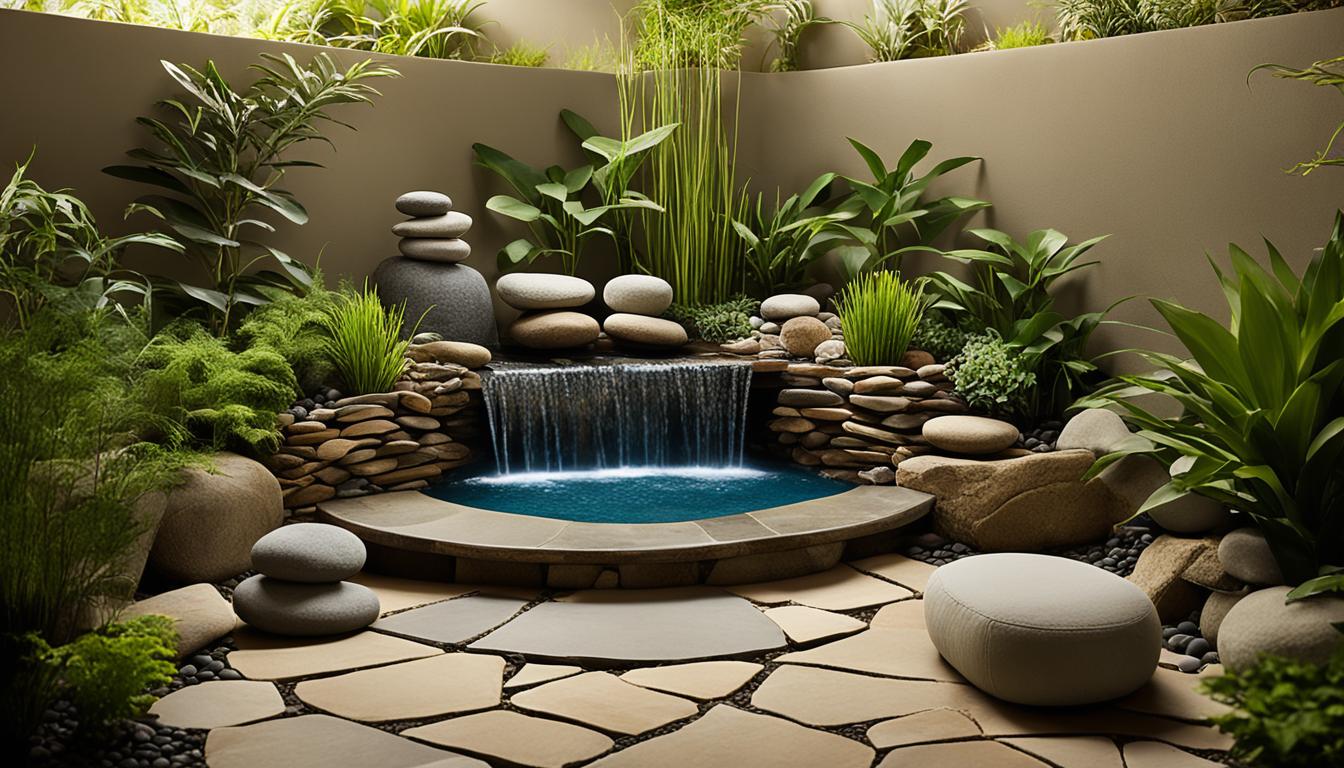
- Incorporate natural elements such as plants, crystals, or a small water fountain to enhance the peaceful energy of your space.
Creating A Peaceful Meditation Corner
The foundation of any successful meditation practice starts with the right environment. A well-designed meditation corner serves as your personal sanctuary where you can disconnect from external pressures and reconnect with yourself. When you have a dedicated space, your mind begins to associate that area with calmness and introspection, making it easier to settle into a meditative state.
Location matters more than size when creating your meditation space. Look for a spot that feels naturally quiet and where you won’t be interrupted by household activities or noise from the street.
Choosing the Perfect Location
The location of your meditation corner sets the tone for your entire practice. Start by identifying the quietest areas in your home and observe how they feel at different times of day. Early morning and evening are typically the most peaceful times, so consider how natural light and household activity affect each potential spot.
Consider these factors when selecting your location:
- Noise levels – Avoid areas near busy streets, appliances, or high-traffic rooms.
- Privacy – Choose a spot where family members or roommates won’t interrupt your practice.
- Natural light – Morning sunlight can energize your practice while soft evening light promotes relaxation.
- Energy flow – Select a corner that feels naturally calm and inviting to you.
If you’re short on space, even a corner of your bedroom can work well for meditation. The key is consistency – using the same spot regularly helps train your mind to enter a meditative state more easily.
Indoor vs Outdoor Options
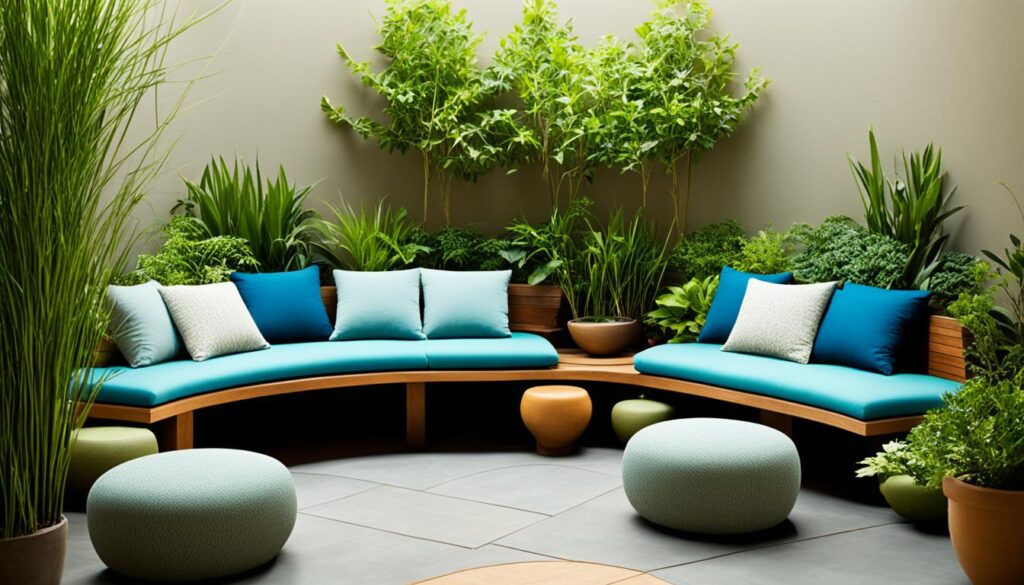
Indoor corners offer year-round accessibility and climate control, making them ideal for daily practice. Outdoor spaces like balconies, patios, or garden corners provide natural sounds and fresh air that many people find deeply calming. If you choose an outdoor location, have an indoor backup for weather-dependent days.
Essential Elements for Your Space
Once you’ve chosen your location, focus on the core elements that will make your meditation corner both functional and inspiring. Start with the basics and gradually add elements that enhance your personal practice style.
Your meditation corner needs these fundamental elements:
- Comfortable seating. Choose a meditation cushion, yoga mat, or low stool that supports good posture without causing discomfort.
- Storage solutions. A small basket or shelf keeps meditation tools organized and the space clutter-free.
- Soft lighting. Lamps with dimmer switches or candles create ambient lighting that promotes relaxation.
- Personal touches. Add meaningful objects that inspire peace and reflection without creating distractions.
Remember that your meditation space design should reflect your personal preferences and support your specific practice needs. Some people prefer completely minimalist spaces while others find inspiration in carefully chosen decorative elements.
Seating Options That Support Your Practice
Comfortable seating is crucial for maintaining focus during longer meditation sessions. Traditional meditation cushions (zafus) elevate your hips slightly above your knees, promoting proper spinal alignment. If sitting on the floor is uncomfortable, a meditation bench or supportive chair with a straight back works equally well.
The goal is finding a position you can maintain for 10-30 minutes without shifting or discomfort that breaks your concentration.
Color Psychology and Atmosphere
Colors significantly impact your mental state and ability to relax. Soft, neutral tones create a calming backdrop that doesn’t compete for your attention during meditation. Research shows that certain colors can either promote or hinder relaxation, making color choice an important consideration for your space.
Ideal colors for meditation spaces include:
- Soft whites – Promote clarity and openness while reflecting natural light.
- Warm beiges – Create a grounding, earthy feeling that supports stability.
- Gentle pastels – Light blues, greens, or lavenders encourage tranquility without overwhelming the senses.
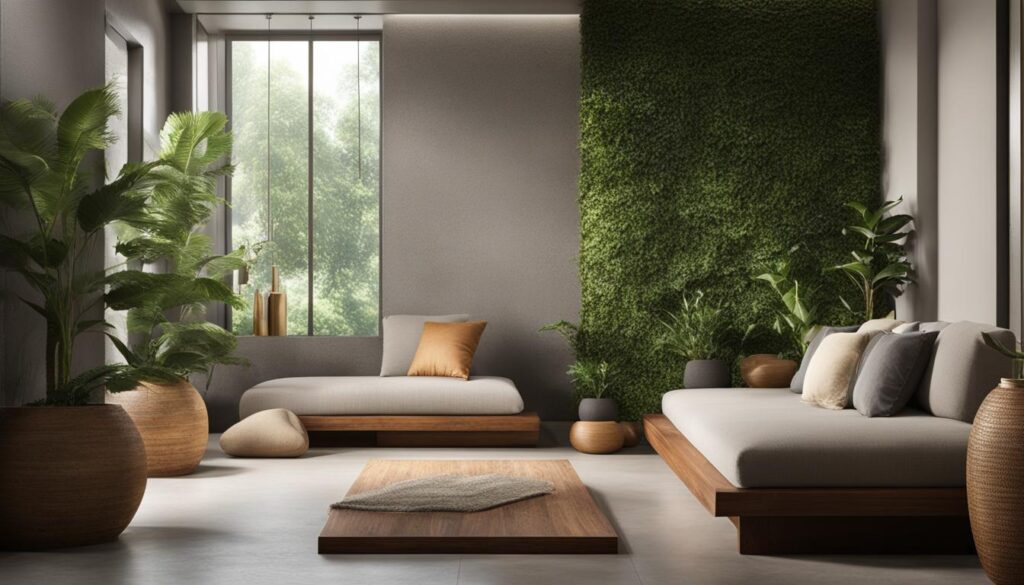
- Natural wood tones – Bring warmth and connection to nature into your space.
Avoid bright, stimulating colors like vibrant reds or oranges that can increase mental activity rather than promote calmness. If you want to add color, do so through small accents like cushions or artwork rather than dominant wall colors.
Quick Setup Tip
Start with just a cushion in a quiet corner and add elements gradually. This prevents overwhelm and helps you understand what truly enhances your practice versus what might be distracting.
Lighting That Enhances Meditation
Natural light is ideal for morning meditation as it helps regulate your circadian rhythm and provides energy for the day ahead. For evening practice, soft artificial lighting creates a cozy atmosphere that signals to your body it’s time to wind down. Proper lighting in your meditation area can significantly impact the quality of your practice.
Consider installing dimmer switches or using lamps with adjustable brightness to customize the lighting for different times of day and meditation styles.
Incorporating Meaningful Objects
Personal objects can deepen your connection to your meditation practice, but choose them thoughtfully. Each item should serve a purpose – either supporting your practice directly or inspiring the mental state you want to cultivate. Too many objects can become distracting rather than helpful.
Consider these meaningful additions:
- Meditation timer or bell – Helps structure your sessions without checking the clock.
- Inspirational books – Keep a few favorite meditation or wisdom texts nearby for pre-session reading.
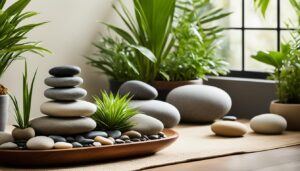
- Natural elements – Stones, shells, or small plants connect you to nature’s grounding energy.
- Personal symbols – Items that hold spiritual or emotional significance for you.
The key is intentionality – every object should contribute to rather than detract from your meditation experience. Regular evaluation of your space helps maintain this balance as your practice evolves.
Maintaining Your Sacred Space
A peaceful meditation corner requires regular maintenance to preserve its calming energy. Dust and clutter accumulate quickly in unused corners, so establish a simple cleaning routine that keeps your space fresh and inviting. Spend five minutes each week tidying and refreshing your meditation area.
Weekly maintenance tasks include dusting surfaces, straightening cushions, replacing wilted plants or flowers, and removing any items that don’t belong in your meditation space. This regular care demonstrates respect for your practice and maintains the sacred quality of your corner.
Consider your meditation corner a living space that evolves with your practice. As you deepen your understanding of meditation, you might find that certain elements no longer serve you while others become more important. Self-care and mindfulness extend to caring for the spaces that support your well-being.
Articles You May Like
Frequently Asked Questions
How much space do I need for a meditation corner?
You only need about 3×3 feet of floor space for a basic meditation corner. Even a small area can be effective if it’s consistently used and thoughtfully arranged.
What’s the most important element in a meditation space?
Consistency and quietness matter more than any specific object. Choose a spot you can use regularly without interruptions, and keep it clean and clutter-free.
Should I face a particular direction while meditating?
While some traditions suggest facing east, the most important factor is comfort and minimal distractions. Choose an orientation that feels natural and peaceful to you.
Can I share my meditation corner with other activities?
It’s better to dedicate the space solely to meditation if possible. This helps your mind associate the area with calmness and makes it easier to settle into practice.
How do I keep my meditation corner inspiring over time?
Refresh your space seasonally with small changes like new cushion covers, different plants, or rotating meaningful objects. Keep it clean and evaluate regularly what truly supports your practice.
Final Thoughts
Creating A Peaceful Meditation Corner is an investment in your mental and emotional well-being that pays dividends through improved focus, reduced stress, and deeper self-awareness. Your corner becomes a physical anchor for your practice, a place where you can reliably find peace regardless of what’s happening in the rest of your life.
Start simple with just the basics and let your space evolve naturally as your meditation journey deepens. The most beautiful meditation corner is one that consistently supports your practice and brings you genuine peace.