Finding A Meditation Community can transform your practice from a solitary struggle into a supported journey of growth and discovery. Many people start meditating alone but soon realize that connecting with others who share similar goals creates accountability, deeper insights, and lasting motivation.
Whether you’re just beginning or have been practicing for years, having a supportive group around you makes the inevitable challenges of meditation much easier to navigate. A good community provides encouragement during difficult periods, celebrates your progress, and offers practical guidance when you feel stuck.
TL;DR
- Local meditation groups meet weekly in most cities – search “meditation center near me” to find 3-5 options within 20 minutes of your home.
- Online communities like Insight Timer have over 18 million active users offering live group sessions and discussion forums 24/7.
- Meditation retreats typically cost $300-800 for weekend programs and provide intensive community bonding through shared silence.
- Starting your own group requires just 3-4 committed people and a quiet space that can accommodate sitting meditation for 30-45 minutes.
Finding A Meditation Community Near You
Local meditation centers offer the most direct path to finding your people. Most cities have Buddhist temples, mindfulness centers, or yoga studios that host regular group sits.
Check community boards at health food stores, libraries, and wellness centers for flyers about meditation groups. Many groups meet in unconventional spaces like community centers, churches, or even outdoor parks during good weather.
Types of Local Groups
- Drop-in sessions – No commitment required, just show up and join the group meditation.
- Beginner series – 4-8 week programs that teach fundamentals while building community bonds.
- Silent sits – Groups that meditate together without instruction or discussion.
- Discussion groups – Communities that combine meditation practice with sharing insights and challenges.
Online Meditation Communities
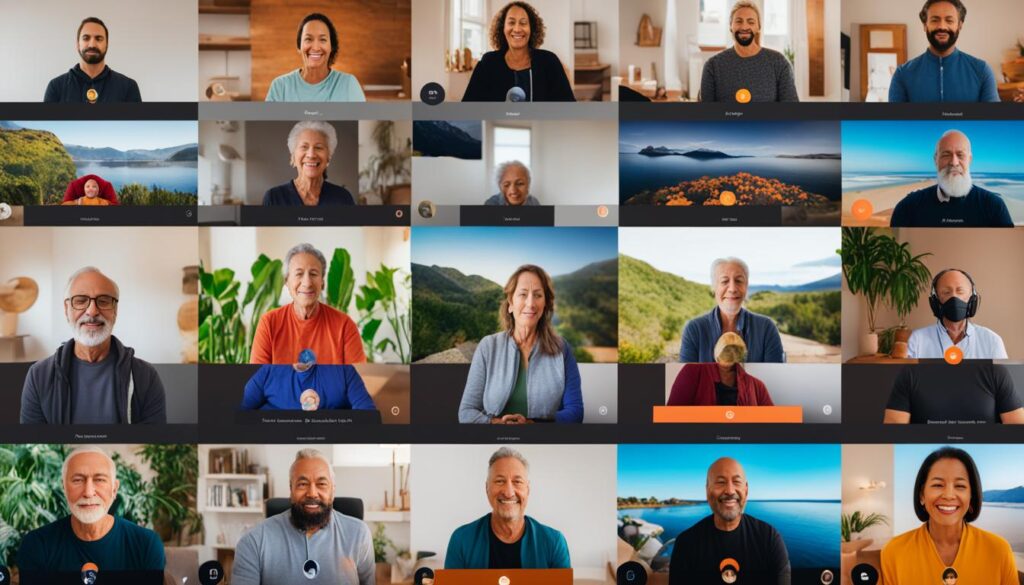
Digital platforms connect you with meditators worldwide, offering flexibility that local groups can’t match. Apps like Insight Timer host live group meditations at all hours, while forums provide spaces for ongoing conversations about practice.
Facebook groups dedicated to meditation often have thousands of active members sharing daily check-ins, questions, and encouragement. Reddit’s meditation communities offer anonymous support and practical advice from experienced practitioners.
Popular Online Platforms
- Insight Timer – Free app with live group sessions, discussion groups, and meditation courses.
- Ten Percent Happier – Subscription service with expert-led courses and community features.
- Headspace Groups – Team meditation challenges and buddy systems for accountability.
- Discord servers – Real-time chat communities focused on meditation and mindfulness practices.
Start Small and Stay Consistent
Join one local group and one online community to begin with. Attending regularly for 4-6 weeks gives you time to feel comfortable and build genuine connections.
Meditation Retreats and Workshops
Intensive experiences create deep bonds between participants through shared challenges and insights. Weekend retreats offer concentrated community building, while day-long workshops provide a middle ground between regular groups and full retreats.
Many people find their closest meditation friendships form during retreats where extended silence and shared vulnerability create lasting connections. Starting your meditation journey with a retreat experience can fast-track both your practice and community connections.
Retreat Options
- Day retreats. 6-8 hour programs that introduce retreat format without overnight commitment.
- Weekend intensives. Friday evening through Sunday afternoon programs with meals and accommodation included.
- Week-long retreats. Deep immersion experiences that create strong community bonds through extended shared practice.
- Online retreats. Virtual intensive programs that connect global participants through video sessions and chat groups.
Creating Your Own Meditation Group
Starting a community from scratch lets you shape the format and culture to match your needs perfectly. Begin by inviting 2-3 friends who show interest in meditation, then gradually expand as word spreads naturally.
Most successful groups start small and focus on consistency rather than size. Establishing a meditation routine becomes easier when others depend on your presence each week.
Group Structure Basics
- Meeting frequency – Weekly sessions work best for building momentum and relationships.
- Duration – 45-60 minutes including brief sharing before and after meditation.
- Location – Quiet spaces with comfortable seating and minimal distractions.
- Leadership – Rotate facilitation duties to prevent burnout and encourage participation.
Workplace and Family Meditation Groups
Professional environments increasingly support meditation groups as stress reduction and team building tools. Many companies provide conference rooms and even budget for instruction when employees show interest.
Family meditation creates multi-generational support systems where children learn alongside adults. Mindful parenting becomes more natural when the whole family participates in regular practice together.
Workplace Group Benefits
- Reduced stress – Shared meditation time helps teams manage work pressure more effectively.
- Better communication – Mindfulness practice improves listening skills and emotional regulation during meetings.
- Team bonding – Silent sitting together creates connection without workplace hierarchy getting in the way.
- Schedule convenience – Lunch hour or before-work sessions fit naturally into professional routines.
Maintaining Community Connections
Strong meditation communities survive through consistent participation and mutual support during difficult periods. Regular attendance shows commitment to the group and helps others feel accountable for showing up consistently.
Many groups create private social media pages or group chats for daily check-ins and encouragement between meetings. Overcoming hesitation becomes much easier when friends regularly ask about your practice progress.
Building Lasting Relationships
- Show up regularly. Consistency builds trust and allows deeper connections to develop over time.
- Share authentically. Honest discussion about meditation challenges helps others feel less alone in their struggles.
- Offer support. Check in with absent members and celebrate others’ meditation milestones and breakthroughs.
- Organize social activities. Potluck dinners or walking meditations strengthen bonds beyond formal sitting sessions.
Articles You May Like
Frequently Asked Questions
How do I find meditation groups in my area?
Search online for “meditation center near me” or check with local yoga studios, Buddhist temples, and community centers. Many groups also post on Meetup.com and Facebook events.
What should I expect at my first group meditation?
Most groups start with brief introductions, sit in silence for 20-30 minutes, then share experiences if desired. Arrive 5-10 minutes early and bring a cushion if you have one.
Do I need experience to join a meditation group?
No experience is required for most groups, and many welcome complete beginners. Look for groups specifically labeled “beginner-friendly” if you’re just starting out.
How much do meditation groups typically cost?
Many groups operate on donation basis, while others charge $10-20 per session. Retreat centers and professional instructors usually charge more, but free community groups are widely available.
Can I start my own meditation group without formal training?
Yes, many successful groups are led by practitioners rather than certified teachers. Focus on creating a supportive environment and consider inviting experienced meditators to occasionally guide sessions.
Final Thoughts
Finding A Meditation Community takes some effort initially, but the support and accountability you gain make the search worthwhile. Whether you join an existing group or start your own, having others who understand your meditation journey creates encouragement during challenging periods.
Begin by exploring one local option and one online community this week. Regular participation in supportive environments accelerates both your personal practice and your connection to the broader meditation community.