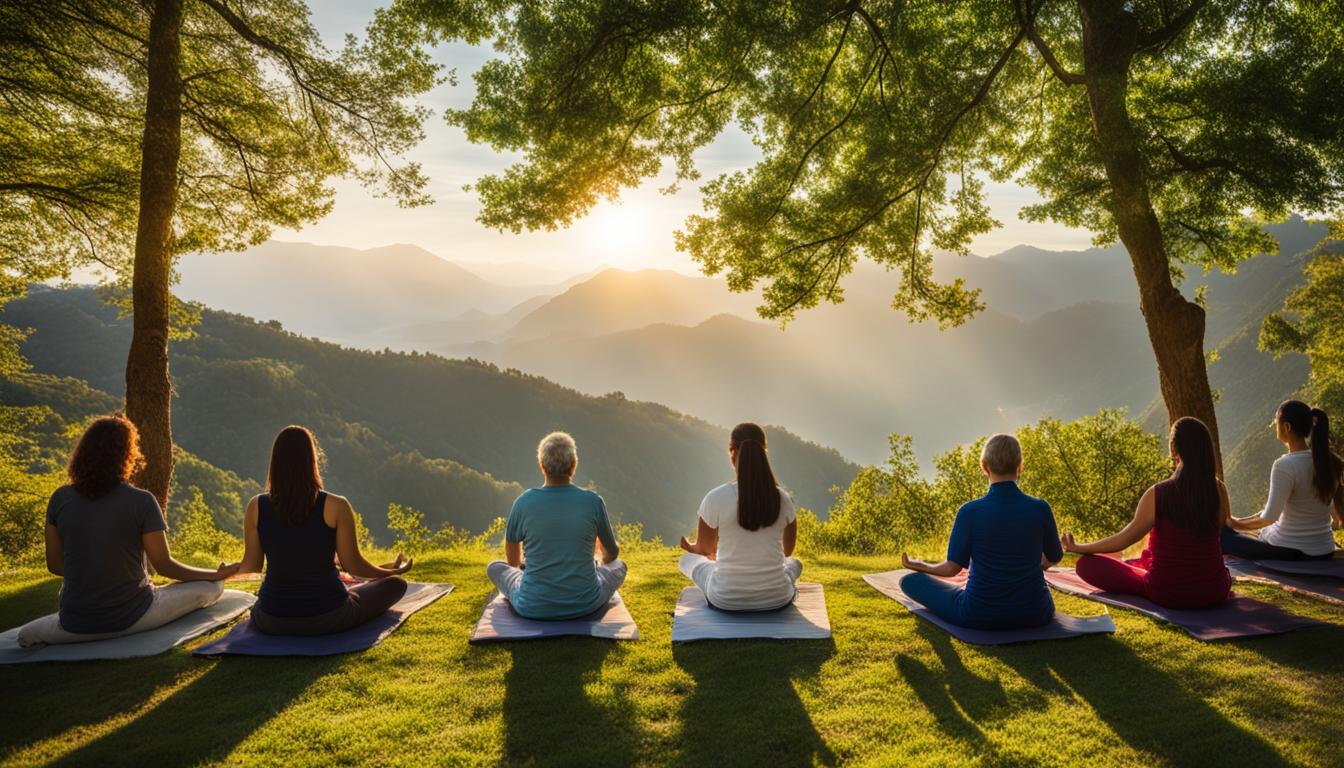
Learning Meditation At Your Pace through self-directed online courses offers the perfect solution for busy schedules and different learning styles. Self-paced meditation programs let you progress through lessons when it works for you, whether that’s early morning sessions or late-night practice.
Online meditation courses have transformed how people learn contemplative practices, removing barriers like location, time constraints, and intimidation factors. You can pause, replay, and revisit lessons as many times as needed to truly absorb the teachings.
TL;DR
- Self-paced online meditation courses typically cost $30-200, far less than in-person classes at $15-25 per session.
- Most programs include 20-50 guided meditations with lifetime access to all materials.
- Popular platforms like Mindfulness-Based Stress Reduction (MBSR) offer 8-week programs you can complete in 4-16 weeks.
- Students report 73% better consistency when learning at their own pace versus fixed schedules.
Learning Meditation At Your Pace Benefits
Self-paced learning removes the pressure of keeping up with a group or feeling behind in your practice. You can spend extra time on challenging concepts like breath awareness or rush through familiar territory like basic posture setup.
The flexibility means you can adapt your learning schedule to life changes, travel, or work demands. Most people find they actually practice more consistently when they control the timing rather than forcing themselves to attend scheduled sessions.
Top Self-Paced Online Meditation Courses
Several high-quality platforms offer comprehensive meditation training that you can complete entirely on your own timeline. Each program provides different approaches to suit various learning preferences and meditation goals.
Mindfulness-Based Stress Reduction (MBSR) Online
MBSR programs teach the gold standard of mindfulness meditation through structured 8-week curricula. Online versions let you complete the same evidence-based training in 4-16 weeks depending on your schedule.
- Course length – 8 modules with 2-3 hours of content each
- Practice materials – 45+ guided meditations and body scans
- Cost range – $200-400 for comprehensive programs
- Completion rate – Higher than in-person classes due to flexibility
Meditation Teacher Training Programs
Self-paced teacher training courses provide deep instruction in multiple meditation styles. These programs work well for serious practitioners who want thorough grounding in contemplative practices, even if they don’t plan to teach professionally.
Many students appreciate how online meditation teacher certification programs let them absorb complex philosophical concepts at their own speed.
App-Based Meditation Courses
Popular meditation apps offer structured courses alongside their daily sessions. These work particularly well for beginners who want gentle introduction to various meditation styles without overwhelming content.
- Headspace – Themed courses like “Managing Anxiety” or “Better Sleep”
- Calm – Masterclass-style sessions with meditation teachers
- Ten Percent Happier – Courses designed by meditation experts and neuroscientists
- Insight Timer – Free courses from teachers worldwide
Start Small and Build Up
Begin with 10-minute daily sessions rather than jumping into hour-long practices. Most people who try to do too much too fast end up quitting within the first month.
How to Choose the Right Self-Paced Program
Consider your current meditation experience, available practice time, and specific goals when selecting a course. Beginners often benefit from programs that include basic instruction on posture, breathing, and common challenges.
Look for courses that provide multiple meditation styles so you can discover what resonates with your personality and lifestyle. Some people prefer movement-based practices while others find sitting meditation more natural.
Course Features to Look For
Quality self-paced meditation programs include certain elements that support successful learning and long-term practice development. These features help bridge the gap between watching videos and developing genuine contemplative skills.
- Progressive structure. Lessons build on each other logically, starting with foundations and advancing to more complex practices.
- Multiple practice lengths. Options for 5, 10, 20, and 45-minute sessions accommodate different schedules and energy levels.
- Downloadable content. Audio files you can save allow practice without internet connection or when traveling.
- Community support. Online forums or Q&A sessions provide guidance when you encounter obstacles or have questions.
Creating Your Self-Paced Learning Schedule
Most successful self-paced students create loose schedules rather than rigid timelines. Plan to spend 1-2 weeks on each major module, but allow flexibility for topics that require extra attention or life circumstances that interrupt your routine.
Track your progress through a simple journal or meditation app to maintain motivation and identify patterns in your practice. Many people find that building consistency matters more than perfect adherence to any particular schedule.
Common Self-Paced Learning Challenges
Without external deadlines or classmates, some students struggle with procrastination or losing momentum. Set up accountability systems like practice partners, progress check-ins, or small rewards for completing modules.
Another challenge is missing the social aspect of group learning. Consider joining online meditation communities or attending occasional in-person events to complement your self-paced studies.
Maximizing Your Online Meditation Education
Take notes during video lessons and revisit key concepts regularly to deepen understanding. Many students benefit from creating their own practice summaries or meditation guides based on course materials.
Practice immediately after learning new techniques rather than waiting to finish entire modules. This active application helps cement the teachings and reveals which methods work best for your unique situation.
Quality online courses often connect beautifully with comprehensive guided meditation series that provide ongoing support for your developing practice.
Articles You May Like
Frequently Asked Questions
How long does it take to complete a self-paced meditation course?
Most comprehensive courses require 20-40 hours of study time, which students typically complete in 6-16 weeks. The timeline depends entirely on your available practice time and learning speed.
Do self-paced meditation courses provide certificates?
Many programs offer completion certificates, though these vary in professional recognition. Teacher training courses typically provide more substantial credentials than basic meditation courses.
Can beginners succeed with self-paced meditation learning?
Yes, many beginners actually prefer self-paced learning because they can repeat difficult concepts and practice without feeling self-conscious. Look for courses specifically designed for new meditators.
What equipment do I need for online meditation courses?
You only need a computer or smartphone with internet access and a quiet space for practice. Some students prefer meditation cushions or mats, but these aren’t required.
How do self-paced courses compare to live instruction?
Self-paced courses offer more flexibility and often cost less than live classes, but you miss immediate feedback and group energy. Many students combine both approaches for optimal learning.
Final Thoughts
Learning Meditation At Your Pace through online courses provides an accessible path to developing a strong contemplative practice. The flexibility allows you to build meditation skills around your existing life rather than forcing major schedule changes.
Start with one course that matches your current experience level and commit to regular practice rather than rushing through content. The goal is developing lasting meditation habits that support your well-being for years to come.