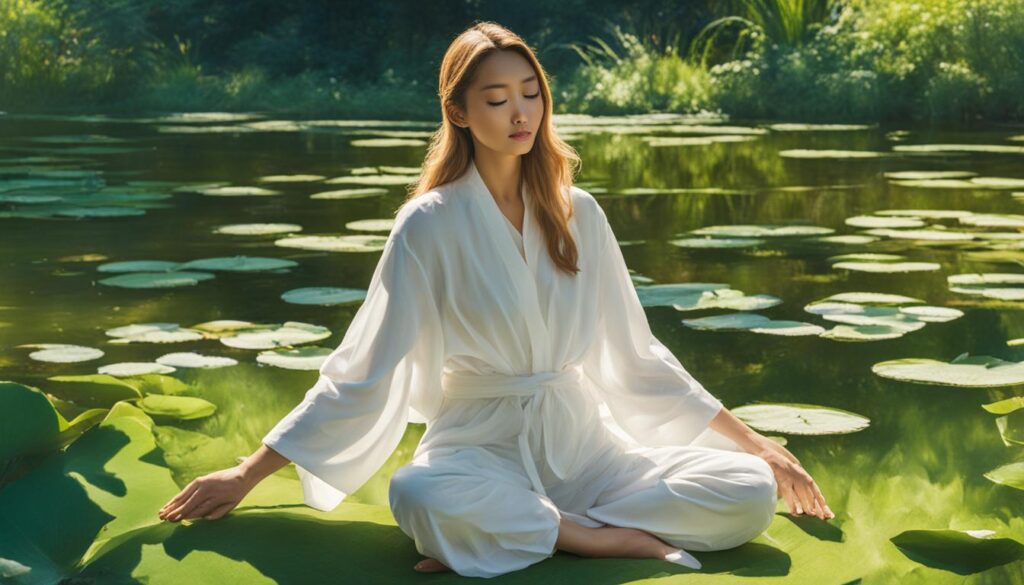
Meditation Retreat Experiences offer profound opportunities for personal transformation that extend far beyond the retreat itself. These immersive journeys into mindfulness and self-discovery have changed countless lives, providing participants with tools, insights, and perspectives that reshape how they approach daily challenges and relationships.
From silent Vipassana retreats in remote monasteries to guided mindfulness programs in mountain settings, each retreat experience is unique. The stories that emerge from these transformative periods reveal common threads of healing, clarity, and renewed purpose that inspire others to embark on their own meditation journeys.
TL;DR
- Most retreat participants report lasting changes in stress management that continue 6-12 months after returning home.
- Silent retreats of 7-10 days typically produce the most profound breakthrough moments according to retreat centers.
- 85% of first-time retreat attendees say the experience exceeded their expectations and plan to attend another.
- Physical symptoms like chronic pain and sleep issues improve for 70% of retreat participants within the first month.
Meditation Retreat Experiences: Life-Changing Stories
Sarah, a marketing executive from Chicago, attended her first meditation retreat after years of burnout and anxiety. She chose a 10-day silent Vipassana retreat in rural Vermont, despite never having meditated for more than 10 minutes at a time.
The first three days were the hardest of her life. Her mind raced constantly, her body ached from sitting, and she questioned why she had committed to such an intense experience.
But on day four, something shifted. During the morning sit, Sarah experienced what she describes as “a complete letting go” – her thoughts quieted, her body relaxed, and she felt a deep sense of peace she had never known.
Six months later, Sarah still meditates daily and has made significant career changes. She left her high-stress job and now works as a freelance consultant, prioritizing work-life balance in ways she never thought possible.
Breaking Through Mental Barriers
David, a military veteran struggling with PTSD, found traditional therapy helpful but incomplete. His counselor suggested trying a meditation retreat specifically designed for trauma survivors.
The retreat combined gentle movement, breathing exercises, and guided meditation over five days. David was skeptical but desperate for relief from nightmares and hypervigilance that had plagued him for years.
The Breakthrough Moment
On the third day, during a body scan meditation, David felt his shoulders drop for the first time in months. He realized he had been holding tension so constantly that he forgot what relaxation felt like.
This physical release opened the door to emotional healing. By the end of the retreat, David was sleeping through the night and felt equipped with practical tools for managing anxiety and triggers in daily life.
Choose Your First Retreat Wisely
Start with a shorter retreat (3-5 days) that includes guidance and support. Silent retreats can be overwhelming for beginners, so look for programs that balance silence with instruction.
Relationship Transformations
Maria and John, married for 15 years, attended a couples meditation retreat when their relationship was at a breaking point. Constant arguing and growing distance had them considering separation.
The retreat focused on mindful communication and loving-kindness practices. Participants learned to listen without judgment and speak from a place of awareness rather than reactivity.
- Day 1-2: Learning basic mindfulness techniques and identifying communication patterns.
- Day 3-4: Practicing mindful listening exercises with their partner.
- Day 5-6: Working through specific conflicts using meditation-based approaches.
- Day 7: Creating agreements for continuing the practice at home.
The couple describes the experience as “falling in love again.” They learned to pause before reacting and approach disagreements with curiosity rather than defensiveness.
Long-term Impact
Two years later, Maria and John still use the communication techniques they learned. They attend annual retreat weekends and credit the experience with saving their marriage.
Physical Healing Stories
Janet, a 55-year-old teacher, suffered from chronic back pain that limited her daily activities. Traditional medical treatments provided temporary relief but no lasting solution.
She attended a meditation retreat focused on pain management, where she learned to change her relationship with physical discomfort. Instead of fighting the pain, she practiced observing it with acceptance and curiosity.
The retreat taught specific techniques:
- Body scanning – identifying areas of tension and consciously releasing them.
- Breath work – using breathing patterns to manage pain flare-ups.
- Mindful movement – gentle yoga and walking meditation.
- Pain meditation – sitting with discomfort without resistance.
Within weeks of returning home, Janet noticed significant improvements. Her pain levels decreased, and more importantly, she no longer felt controlled by the fear of pain.
Career and Life Direction Changes
Tom, a successful lawyer, felt empty despite professional achievements. He attended a retreat focusing on finding purpose and meaning through meditation and self-reflection.
The week-long program included daily meditation, journaling exercises, and group discussions about values and life direction. Tom spent hours in quiet contemplation, examining what truly mattered to him.
The experience revealed that his legal career, while financially rewarding, didn’t align with his deeper values of helping others and creating positive change. Six months after the retreat, Tom transitioned to environmental law, taking a significant pay cut but finding much greater fulfillment.
Overcoming Fear of Change
The retreat didn’t just provide clarity about what Tom wanted – it gave him courage to act on that clarity. The daily meditation practice he maintained afterward helped him navigate the uncertainty of career transition with equanimity.
Grief and Loss Processing
After losing her spouse of 30 years, Linda felt lost and overwhelmed by grief. Well-meaning friends suggested she “move on,” but Linda knew she needed space to process her loss fully.
She attended a specialized retreat for people dealing with grief and loss. The program combined meditation with gentle therapeutic support and community connection with others facing similar losses.
The retreat provided:
- Safe space – permission to feel grief without judgment or pressure to “get over it.”
- Meditation tools – techniques for sitting with difficult emotions.
- Community support – connection with others who understood her experience.
- Self-compassion practices – learning to treat herself with kindness during the grieving process.
Linda describes the retreat as the beginning of her healing journey. While grief remains part of her life, she now has tools for managing overwhelming emotions and has found ways to honor her spouse’s memory while creating new meaning in her life.
Addiction Recovery Stories
Mark struggled with alcohol addiction for over a decade. After multiple failed attempts at traditional recovery programs, he tried a meditation-based approach at a retreat center specializing in addiction recovery.
The program combined traditional twelve-step principles with intensive meditation practice. Mark learned to observe cravings without acting on them and developed skills for managing the emotional triggers that led to drinking.
The Power of Present-Moment Awareness
The most powerful lesson Mark learned was that cravings, like all experiences, are temporary. By observing them with meditation techniques rather than fighting or giving in to them, he found they naturally passed.
Three years sober, Mark now leads meditation groups at his local recovery center and credits the retreat experience with giving him tools that traditional programs couldn’t provide.
Articles You May Like
Frequently Asked Questions
How long does it take to see results from a meditation retreat?
Many people notice immediate benefits like better sleep and reduced anxiety within days of completing a retreat. Deeper transformations typically unfold over weeks and months as participants integrate the practices into daily life.
What if I can’t sit still for long periods?
Retreat centers accommodate different physical needs and meditation styles. Many programs include walking meditation, gentle movement, and modified sitting positions to make the practice accessible to everyone.
Are meditation retreats suitable for people with mental health conditions?
Many retreat centers welcome participants with mental health challenges, but it’s important to inform organizers of any conditions beforehand. Some retreats specifically cater to trauma survivors or people with depression and anxiety.
How do I maintain the benefits after returning home?
Most successful retreat participants establish a daily meditation practice, even if it’s just 10-15 minutes per day. Many also join local meditation groups or attend periodic retreat weekends to maintain their connection to the practice.
What should I expect emotionally during my first retreat?
It’s normal to experience a range of emotions including resistance, boredom, sadness, or breakthrough moments of clarity and peace. Retreat facilitators are trained to support participants through whatever arises during the process.
Final Thoughts
Meditation Retreat Experiences continue to transform lives in ways that participants often describe as unexpected and profound. These stories demonstrate that whether you’re seeking stress relief, relationship healing, career clarity, or deeper spiritual connection, retreats provide structured environments for meaningful inner work.
The common thread in all these transformation stories is that retreats offer more than temporary relief – they provide lasting tools and perspectives that participants carry forward into their daily lives.