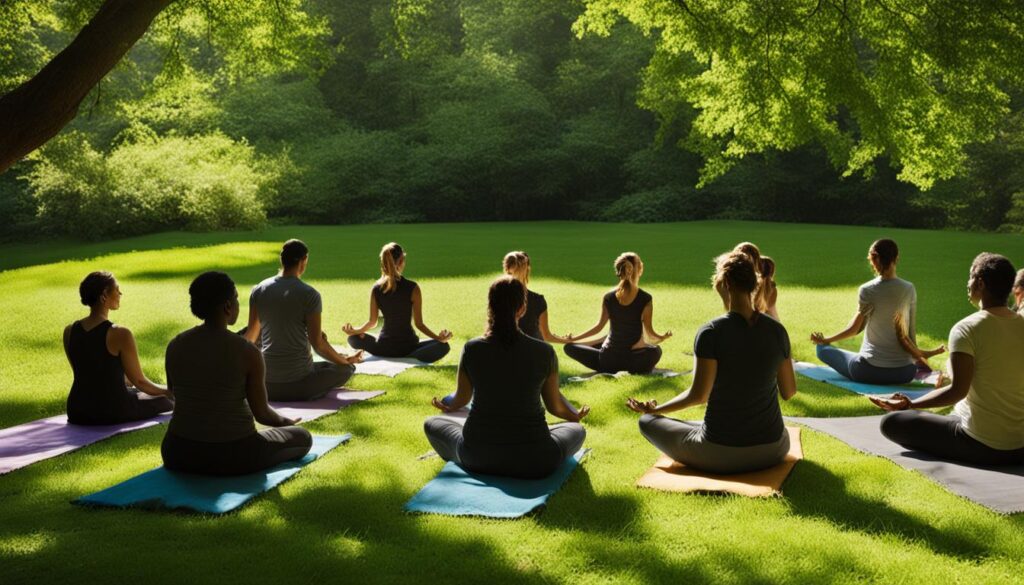
Meditation Retreats A Gateway To Inner Transformation offer a unique opportunity to step away from daily distractions and dive deep into contemplative practice. These structured experiences provide dedicated time and space for participants to explore mindfulness, self-reflection, and spiritual growth in supportive environments.
Whether you’re seeking stress relief, personal clarity, or spiritual awakening, meditation retreats create conditions for profound inner shifts. The combination of guided instruction, community support, and uninterrupted practice time makes these experiences powerful catalysts for lasting change.
TL;DR
- Most meditation retreats last 3-10 days, with some intensive programs extending to 30 days or longer.
- Silent retreats typically maintain noble silence for 80% of the program, allowing deeper introspection.
- First-time retreatants should start with weekend or 3-day programs before attempting longer intensives.
- Daily schedules usually include 6-8 hours of formal meditation practice plus teachings and personal reflection time.
Meditation Retreats A Gateway To Inner Transformation
The retreat environment removes external pressures that normally fragment our attention throughout the day. Without phones, work demands, or social obligations, participants can focus entirely on inner exploration and mindfulness development.
This concentrated approach accelerates progress that might take months or years in regular daily practice. The intensive format allows practitioners to work through mental patterns, emotional blocks, and habitual reactions with unprecedented clarity and depth.
What Makes Retreats Transformative
The power of meditation retreats lies in their ability to create sustained awareness without interruption. Unlike daily meditation practice at home, retreats offer continuous mindfulness training that builds momentum over consecutive days.
Participants often report breakthrough moments where they experience deeper states of calm, clarity, or insight than ever before. These peak experiences provide reference points for ongoing practice and serve as motivation for continued spiritual development.
Types of Transformative Retreat Experiences
Different retreat styles offer various approaches to inner transformation, each with unique benefits and focus areas. Understanding these options helps you choose the format most aligned with your current needs and experience level.
Silent Meditation Retreats
Silent meditation retreats create the deepest conditions for self-discovery by eliminating verbal communication and social interaction. Participants spend days in noble silence, communicating only with teachers during private interviews.
The absence of conversation allows practitioners to observe their internal dialogue without external influence. This heightened self-awareness often leads to insights about thought patterns, emotional reactions, and unconscious behaviors that normally remain hidden.
Mindfulness-Based Retreats
These programs focus on developing present-moment awareness through various contemplative practices. Daily activities like walking, eating, and even cleaning become opportunities for mindfulness training.
Participants learn to bring meditative awareness into ordinary tasks, building skills that translate directly into daily life after the retreat ends. This practical approach makes mindfulness accessible for people who struggle with formal sitting meditation.
Spiritual and Energy-Focused Retreats
Some retreats incorporate chakra meditation and energy work alongside traditional mindfulness practices. These programs often include teachings on spiritual development, energy healing, and consciousness expansion.
Participants explore concepts like chakra balancing, energy flow, and spiritual awakening through guided meditations and movement practices. This approach appeals to those seeking transformation beyond stress relief or mental clarity.
Choose Your First Retreat Wisely
Start with a weekend or 3-day program to test your readiness for longer retreats. Many intensive programs require previous meditation experience, so build your foundation first.
Preparing for Your Transformation Journey
Successful retreat experiences require both mental and practical preparation to maximize the transformative potential. Proper preparation helps you navigate challenges and embrace the deep inner work that retreats facilitate.
Mental and Emotional Readiness
Retreats often bring suppressed emotions and unresolved issues to the surface as the mind quiets down. Preparing mentally for this process helps you approach difficult feelings with curiosity rather than resistance.
Consider working with a therapist or counselor before attending intensive retreats if you have significant trauma history. The deep introspection of retreat environments can trigger unexpected emotional responses that benefit from professional support.
Building a Foundation Practice
Establish regular meditation practice at home before attending your first retreat, even if it’s just 10-15 minutes daily. This foundation helps you adapt more easily to longer periods of sitting and formal practice.
Familiarity with basic meditation techniques reduces the learning curve during retreats, allowing you to focus on deepening practice rather than struggling with fundamentals. Most retreat centers recommend at least 2-3 months of consistent practice beforehand.
Common Transformation Experiences
While every person’s retreat journey is unique, certain patterns of inner change occur frequently across different programs and traditions. Understanding these common experiences helps normalize the transformation process and reduces anxiety about unexpected shifts.
Emotional Release and Processing
Many participants experience waves of emotion as stored tensions and suppressed feelings surface during extended practice. These releases often feel intense but typically lead to greater emotional freedom and clarity afterward.
Tears, anger, joy, or grief may arise without obvious external triggers as the mind processes years of accumulated stress. Retreat teachers emphasize that these experiences are normal parts of the healing process rather than problems to fix.
Insights and Perspective Shifts
Extended periods of introspection frequently produce profound insights about life patterns, relationships, and personal values. Participants often report sudden clarity about decisions they’ve been struggling with for months or years.
These breakthrough moments can reshape fundamental perspectives on work, relationships, spirituality, or life purpose. The retreat environment provides space to fully process these insights without immediate pressure to act on them.
Physical and Energetic Changes
Deep meditation practice affects the nervous system in measurable ways, often producing noticeable physical sensations and energy shifts. Participants frequently report feeling lighter, more relaxed, or energetically different after intensive practice periods.
Some experience unusual physical sensations like tingling, warmth, or vibrations as the body releases stored tension. These phenomena are generally positive signs of nervous system regulation and stress relief according to research on stress and the nervous system.
Integrating Retreat Insights
The real transformation from meditation retreats happens during integration – how you apply insights and maintain practice momentum in regular life. Without conscious integration efforts, retreat benefits often fade within weeks of returning home.
Maintaining Practice Momentum
Create a realistic daily practice schedule that honors your retreat experience without overwhelming your regular routine. Start with shorter sessions and gradually increase duration as you establish consistency.
Many retreat centers offer follow-up programs or online sangha groups to help participants maintain connections and accountability. These support systems prove crucial for sustaining long-term practice and continued growth.
Applying Insights to Daily Life
Journal about your retreat experiences and regularly review key insights to keep them alive in daily consciousness. The clarity gained during retreats can inform decisions about relationships, career changes, or lifestyle modifications.
Make gradual changes based on retreat insights rather than dramatic life overhauls immediately upon return. Sustainable transformation happens through consistent small adjustments rather than sudden radical shifts.
Articles You May Like
Frequently Asked Questions
How long should my first meditation retreat be?
Start with a weekend or 3-day retreat for your first experience. This allows you to test your readiness for longer programs without overwhelming yourself or making unrealistic commitments.
Do I need meditation experience before attending a retreat?
Most retreat centers welcome beginners, but having 2-3 months of regular daily practice helps you adapt more easily. Some intensive programs do require previous experience, so check requirements when registering.
What should I expect during emotional releases at retreats?
Emotional processing is normal and healthy during intensive practice periods. Teachers are trained to support participants through difficult emotions, and these releases typically lead to greater clarity and emotional freedom.
How do I maintain transformation after returning home?
Establish a realistic daily practice, journal about insights, and consider joining follow-up programs or meditation groups. Integration requires conscious effort to apply retreat lessons to everyday situations.
Final Thoughts
Meditation Retreats A Gateway To Inner Transformation provide unique opportunities for deep self-discovery and lasting personal change. The combination of intensive practice, supportive community, and expert guidance creates optimal conditions for breakthrough experiences and spiritual growth.
Whether you’re dealing with stress, seeking spiritual development, or simply curious about your inner landscape, choosing the right retreat format can catalyze profound shifts that continue benefiting you long after the program ends.