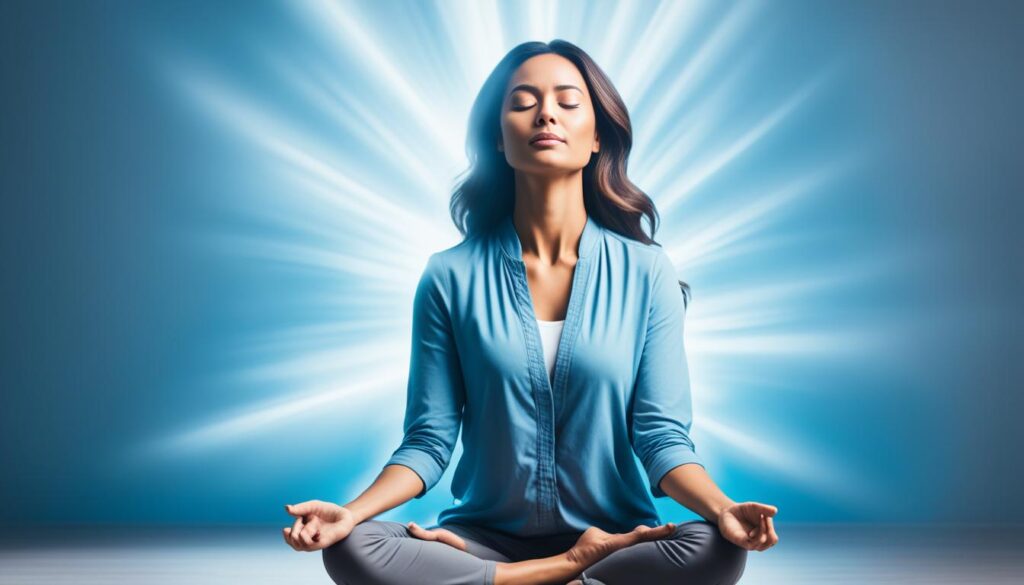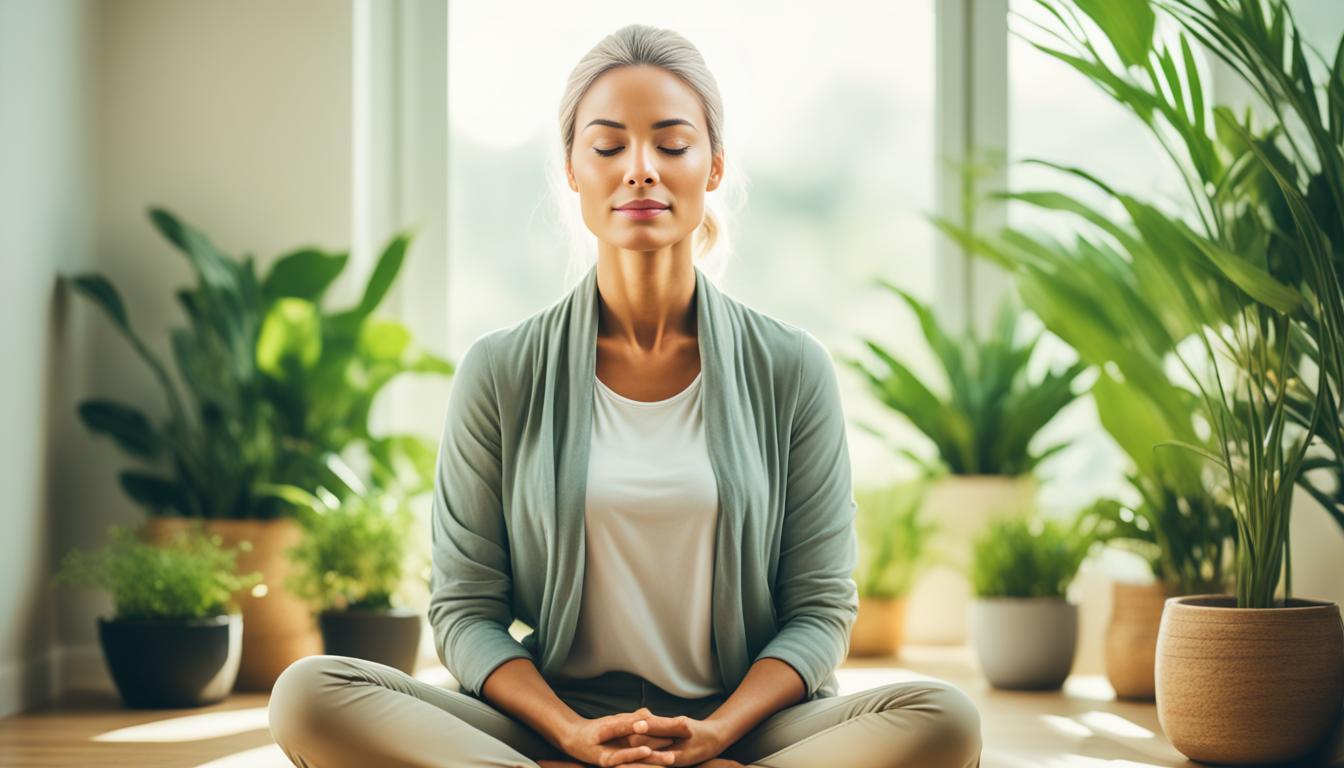
Quick Calm is exactly what you need when stress hits and you only have a few minutes to reset. This simple meditation technique helps you release tension, clear mental clutter, and return to a centered state in just five minutes.
Whether you’re dealing with work pressure, family demands, or unexpected challenges, this practice gives you an immediate way to find your balance. The beauty of quick calm meditation lies in its accessibility – you can do it anywhere, anytime you need to shift from chaos to clarity.
TL;DR
- Complete this stress relief meditation in just 5 minutes using simple breathing and body awareness techniques.
- Practice the 4-7-8 breathing pattern: inhale for 4 counts, hold for 7, exhale for 8 to activate your relaxation response.
- Focus on releasing tension from 3 key areas: shoulders, jaw, and hands for maximum stress relief impact.
- Use this meditation 2-3 times daily during high-stress periods for cumulative calming effects.
Quick Calm Meditation Steps
Start by finding a comfortable position where you won’t be disturbed for the next five minutes. You can sit in a chair, on the floor, or even practice this standing if needed.
Close your eyes or soften your gaze downward to minimize distractions. Take three natural breaths to signal to your body that it’s time to slow down and release stress.
The 4-7-8 Breathing Technique
This breathing pattern is the foundation of your quick calm practice. The extended exhale activates your parasympathetic nervous system, which naturally counteracts stress hormones.
- Inhale through your nose for 4 counts. Let your belly expand naturally as you breathe in calm, fresh energy.
- Hold your breath gently for 7 counts. Don’t strain – just pause and let the oxygen circulate through your body.
- Exhale slowly through your mouth for 8 counts. Release all tension and stress with this long, complete out-breath.
- Repeat the cycle 4-6 times. Each round deepens your relaxation and clears mental fog.
Body Scan for Tension Release
After completing your breathing rounds, shift your attention to releasing physical tension. Stress often accumulates in specific areas without us realizing it.
Start with your shoulders and notice if they’re raised or tight. Mindful approaches to emotion regulation often begin with recognizing where we hold stress in our bodies.
Three Key Tension Points
- Shoulders – Let them drop away from your ears and soften completely.
- Jaw – Release any clenching by letting your tongue rest gently behind your lower teeth.
- Hands – Unclench your fists and let your fingers rest naturally open.
Spend 30 seconds focusing on each area, breathing into the space and imagining tension melting away. This targeted approach maximizes your stress relief in minimal time.
Quick Setup Tip
Set a gentle phone timer for 5 minutes before starting so you can fully relax without watching the clock. Choose a soft chime or nature sound rather than a jarring alarm.
Mental Clearing Technique
The final two minutes focus on clearing mental clutter and worries. Imagine your thoughts as clouds passing through a clear blue sky – present but not permanent.
When thoughts about deadlines, problems, or responsibilities arise, acknowledge them briefly and then return your attention to your breath. This isn’t about stopping thoughts completely but creating space between you and stressful thinking patterns.
Visualization for Mental Calm
Picture a peaceful place where you feel completely safe and relaxed. This might be a quiet beach, a forest clearing, or even your favorite comfortable room.
Engage your senses in this mental refuge – notice the colors, sounds, and textures. This positive visualization helps reset your nervous system and provides a mental anchor you can return to throughout your day.
Making Quick Calm a Daily Habit
Consistency amplifies the benefits of this practice. Try scheduling your 5-minute sessions at natural transition points in your day – before work, after lunch, or when you arrive home.
Many people find that regular 5-minute breath awareness meditation sessions create a foundation of calm that makes stress more manageable when it does arise. Start with once daily and add more sessions when life gets particularly demanding.
Best Times to Practice
- Morning transition – Before checking emails or starting your to-do list.
- Midday reset – When energy dips or stress peaks around lunch time.
- Evening wind-down – To transition from work mode to personal time.
- Emergency calm – Anytime you feel overwhelmed and need immediate relief.
Adapting for Different Settings
One advantage of quick calm meditation is its flexibility. You can practice a modified version almost anywhere without drawing attention to yourself.
At work, focus mainly on the breathing technique while keeping your eyes open. In public spaces, emphasize the mental clearing aspect while maintaining awareness of your surroundings.
Workplace Modifications
Keep your breathing subtle and natural-looking. Use the tension release technique by gently rolling your shoulders or stretching your hands as if taking a regular work break.
The mental clearing component works well during brief bathroom breaks or while waiting for meetings to start. Mindful technology use includes taking these conscious breaks from screens and mental demands.
Articles You May Like
Frequently Asked Questions
Can I do quick calm meditation if I’m a complete beginner?
Yes, this practice is designed for anyone regardless of meditation experience. The simple steps and short duration make it perfect for beginners who want immediate stress relief.
What if I can’t hold my breath for 7 counts comfortably?
Adjust the timing to what feels natural – try 3-5-6 or 2-4-6 instead. The key is making your exhale longer than your inhale, not following exact numbers.
Is it normal for my mind to wander during the 5 minutes?
Absolutely normal and expected. Simply notice when your mind drifts and gently return attention to your breath or body without judging yourself.
How quickly will I feel the stress relief effects?
Most people notice some immediate relaxation within the first few breathing cycles. The full calming effect typically develops over the complete 5-minute session.
Final Thoughts
Quick Calm meditation proves that you don’t need hours of practice to experience real stress relief and mental clarity. This accessible technique fits into any schedule and provides tools you can use whenever pressure builds.
Start practicing today and notice how five focused minutes can shift your entire relationship with daily stress. The more you use this technique, the more natural it becomes to find your center quickly when life gets intense.