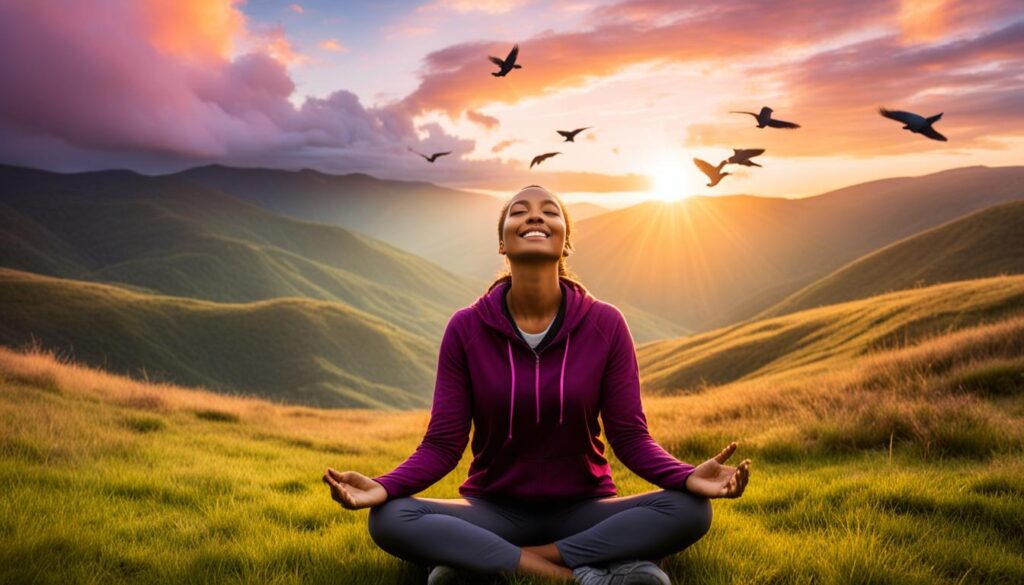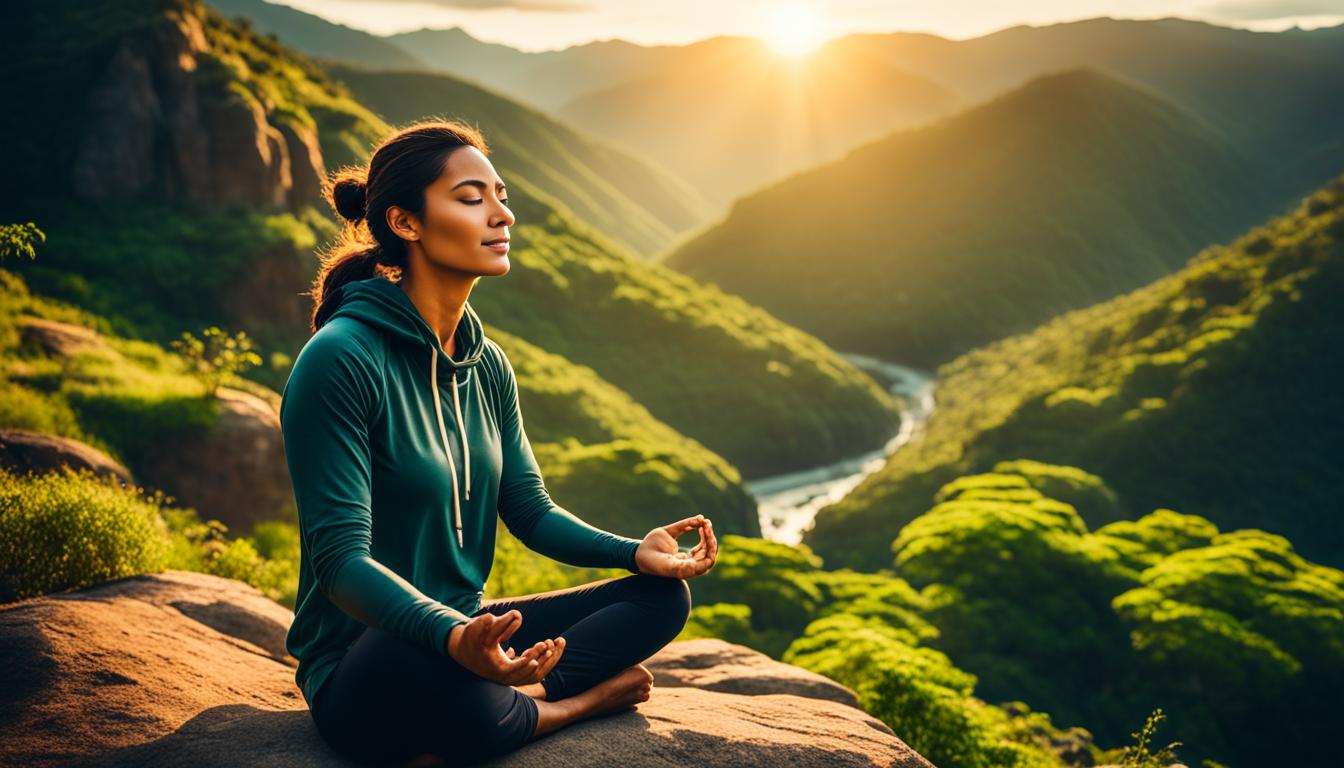
Sunrise Meditation offers a powerful way to begin each day with intention and appreciation. Starting your morning with this gentle practice helps you connect with nature’s rhythm while cultivating a grateful heart before the world’s demands take hold.
This ancient practice combines the natural energy of dawn with mindful awareness to create a foundation of peace and positivity. When you witness the sun’s daily rebirth, you’re reminded of life’s constant renewal and the endless possibilities each new day brings.
TL;DR
- Sunrise meditation takes just 10-15 minutes and can be done outdoors or by a window facing east.
- The best time to start is 30 minutes before actual sunrise when the sky begins to lighten.
- Studies show morning meditation reduces cortisol levels by up to 23% throughout the day.
- Even 5 minutes of gratitude practice during sunrise can improve mood for 8-12 hours.
Sunrise Meditation Benefits and Getting Started
Morning light naturally regulates your circadian rhythm and boosts serotonin production, making sunrise the ideal time for meditation. The combination of fresh air, soft light, and natural quiet creates perfect conditions for inner reflection and gratitude practice.
You don’t need special equipment or years of experience to begin. A simple spot where you can see the eastern horizon – whether your backyard, balcony, or even a window – provides everything necessary for this transformative practice.
Setting Up Your Sunrise Practice
Choose a comfortable position where you can sit for 10-15 minutes without distraction. This might be a cushion on your porch, a chair by your bedroom window, or a spot in your garden where you can face east.
Arrive at your chosen location 5-10 minutes before you plan to begin meditating. This buffer time allows you to settle in, adjust your posture, and transition from sleep mode to mindful awareness without rushing.
Timing Your Session
The most powerful moments occur during the 30 minutes surrounding actual sunrise. Start checking sunrise times in your area and plan to begin your practice when the sky first shows light – this pre-dawn period often feels most peaceful and sacred.
If you’re new to early rising, gradually shift your wake time earlier by 15 minutes each day until you reach your target. This gentle approach helps your body adjust naturally without shock to your system.
The Basic Sunrise Gratitude Meditation
Begin by taking three deep breaths while observing the eastern sky. Notice the colors, the quality of light, and any changes happening as dawn approaches – this anchors your attention in the present moment.
As you continue breathing naturally, bring to mind three specific things you appreciate about your life. These can be simple – your comfortable bed, clean water, or the birds singing nearby – or profound like relationships, health, or personal growth.
- Ground yourself. Feel your connection to the earth beneath you while observing the sky above.
- Set your intention. Silently state how you want to show up in the world today.
- Practice gratitude. Focus on appreciation for both challenges and blessings in your life.
- Embrace the light. As the sun appears, imagine its energy filling you with warmth and possibility.
- Close mindfully. Take three final breaths before transitioning into your day.
Weather-Proof Your Practice
Cloudy or rainy mornings offer their own beauty for sunrise meditation. The soft, diffused light and fresh scent of rain can deepen your sense of gratitude and connection to nature’s cycles.
Advanced Techniques for Deeper Practice
Once you’ve established a basic routine, you can expand your sunrise meditation with additional elements. Morning meditation routines often include body scanning, visualization, or specific breathing techniques to enhance the experience.
Try incorporating loving-kindness meditation by sending good wishes to yourself, loved ones, and even difficult people in your life. The sunrise serves as a perfect backdrop for expanding your heart and practicing compassion.
Seasonal Variations
Each season offers unique opportunities for sunrise meditation. Spring brings renewal energy, summer provides abundant light, autumn offers reflection time, and winter encourages inner warmth and resilience.
Adjust your practice time with the changing sunrise schedule throughout the year. This natural rhythm helps you stay connected to earth’s cycles and prevents your practice from becoming mechanical or routine.
Overcoming Common Challenges
Cold morning air can make outdoor sunrise meditation uncomfortable, but proper clothing and gradual exposure help you adapt. Start with indoor practice during harsh weather, then gradually move outside as conditions improve.
If you struggle with early rising, remember that consistency matters more than perfection. Building a steady meditation routine takes time, so be patient with yourself as you develop this new habit.
- Oversleeping – Set multiple gentle alarms and place your alarm across the room.
- Drowsiness – Try light stretching or splash cool water on your face before sitting.
- Restlessness – Start with shorter 5-minute sessions and gradually increase duration.
- Weather concerns – Have both indoor and outdoor options prepared in advance.
Creating Your Gratitude Focus
Gratitude during sunrise meditation becomes more powerful when you’re specific rather than general. Instead of thinking “I’m grateful for my family,” focus on “I’m grateful for my sister’s encouraging text yesterday” or “I appreciate how my partner made coffee this morning.”
Include appreciation for challenges alongside easy blessings. Yesterday’s difficult conversation might have taught you something valuable, or last week’s setback might have redirected you toward a better path.
Journaling After Meditation
Keep a small notebook nearby to capture insights or gratitude thoughts that arise during your practice. Writing for just 2-3 minutes after meditation helps solidify the positive feelings and creates a record of your spiritual growth.
Review your entries monthly to notice patterns in your gratitude and personal development. This reflection often reveals how mindful living practices are gradually transforming your perspective and daily experience.
Articles You May Like
Frequently Asked Questions
How long should sunrise meditation last for beginners?
Start with 5-10 minutes and gradually increase to 15-20 minutes as you become more comfortable. The key is consistency rather than duration in the beginning.
What if I can’t see the actual sunrise from my location?
You can practice sunrise meditation facing any eastern window or even indoors while visualizing the sunrise. The intention and timing matter more than having a perfect view.
Is it okay to do sunrise meditation if I’m not a morning person?
Absolutely – many night owls find that sunrise meditation actually helps them feel more energized and positive about early mornings. Start gradually and be patient with the adjustment period.
Should I meditate before or after drinking coffee?
Most practitioners prefer meditating before caffeine to maintain a calm, natural state of awareness. However, if you need coffee to function, a small amount beforehand won’t harm your practice.
Final Thoughts
Sunrise Meditation creates a sacred bridge between sleep and waking life, infusing your entire day with gratitude and mindful awareness. This simple practice costs nothing yet offers profound benefits for mental clarity, emotional balance, and spiritual growth.
Start tomorrow morning with just five minutes of appreciative observation as the world awakens. Morning mindfulness practices like this one become the foundation for living with greater joy, purpose, and connection to the world around you.