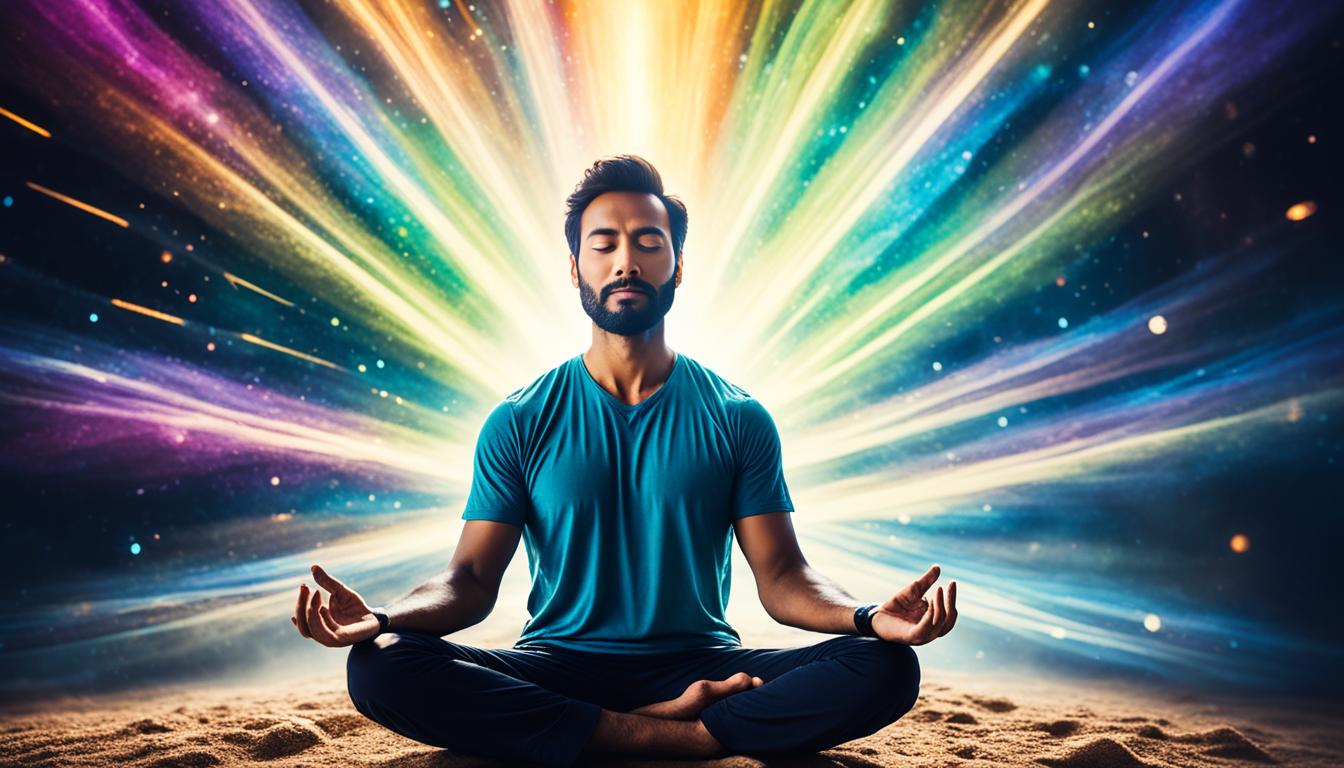
The Art of Self Discovery through meditation offers a profound pathway to understanding who you truly are beneath the layers of daily distractions and social expectations. Many people spend years searching externally for answers that can only be found within themselves. Through dedicated meditation practice, you can develop the skills needed to explore your inner landscape with clarity and compassion.
This ancient practice creates space for genuine self-reflection and awareness to emerge naturally. When you sit quietly and observe your thoughts, emotions, and sensations without judgment, you begin to recognize patterns and discover aspects of yourself that were previously hidden from view.
TL;DR
- Daily meditation sessions of just 10-15 minutes can reveal deep insights about your true nature and core values.
- Self-inquiry meditation techniques help you question limiting beliefs that may have shaped your identity for decades.
- Regular practice increases self-awareness by 40% according to neuroscience research on mindfulness and brain plasticity.
- Body scan and breath awareness meditations provide direct access to your authentic emotional responses and intuitive wisdom.
The Art of Self Discovery Through Meditation
Meditation serves as both mirror and magnifying glass for your inner world. When you sit in stillness, you create the conditions necessary for authentic self-knowledge to emerge organically. This process requires patience because true discovery happens gradually as you peel back layers of conditioning and assumption.
The practice begins with simple observation – noticing what arises in your mind without trying to change or fix anything. You might discover recurring thought patterns, emotional triggers, or physical tensions that reveal important information about your current life situation and deeper needs.
Building Your Self-Discovery Practice
Start with basic mindfulness techniques that help you develop the skill of inner observation. Breath awareness meditation provides an excellent foundation because it anchors your attention while allowing thoughts and emotions to flow naturally.
Choose a consistent time and place for your practice. Early morning works well for many people because the mind tends to be clearer and less cluttered with daily concerns at this time.
- Set up your space. Find a quiet corner where you can sit comfortably without interruption for 10-20 minutes.
- Begin with breath focus. Use your natural breathing rhythm as an anchor point for your attention.
- Notice what emerges. Pay attention to thoughts, emotions, and physical sensations without trying to control them.
- Ask gentle questions. Wonder about what you observe – “What is this feeling trying to tell me?” or “Where does this thought pattern come from?”
- End with gratitude. Appreciate whatever insights or awareness emerged during your session.
Self-Inquiry Meditation Techniques
Self-inquiry goes beyond basic mindfulness to actively explore questions about your identity, values, and purpose. This approach involves asking yourself specific questions during meditation and listening deeply for authentic answers that arise from within.
Traditional self-inquiry questions include “Who am I beyond my roles and responsibilities?” and “What do I truly value in life?” These questions help you distinguish between your authentic self and the persona you present to the world.
Practical Self-Inquiry Methods
- The “Who Am I?” technique – Repeatedly ask this question and notice what answers emerge without forcing any particular response.
- Values exploration – Meditate on what matters most to you when external pressures and expectations are removed.
- Life purpose inquiry – Explore what activities or contributions feel most meaningful and energizing to you.
- Fear investigation – Examine what you avoid or resist and what these patterns reveal about your limiting beliefs.
The key is to approach these questions with genuine curiosity rather than trying to find the “right” answers. Allow responses to emerge naturally and trust your inner wisdom to guide the exploration process.
Working with Emotional Patterns
Self-discovery meditation often brings up emotions that have been suppressed or ignored. This emotional material contains valuable information about your needs, boundaries, and authentic responses to life situations. Emotion focused mindfulness practices can help you work skillfully with whatever arises.
When difficult emotions surface during meditation, resist the urge to push them away or analyze them immediately. Instead, practice being present with the feeling while maintaining some perspective – you are the observer of the emotion, not the emotion itself.
Working with Resistance
If you notice resistance to certain insights or emotions during self-discovery meditation, approach this resistance with curiosity rather than force. Often what we resist most strongly holds the keys to our deepest growth and freedom.
Body Wisdom and Intuition
Your body holds tremendous wisdom about your authentic preferences and responses to different situations. During self-discovery meditation, pay attention to physical sensations, tension patterns, and the felt sense of expansion or contraction in your chest and belly.
These bodily responses often provide more reliable information than mental analysis when making important life decisions. Learn to distinguish between the tight, constricted feeling that accompanies choices that don’t align with your truth, and the open, expansive sensation that comes with decisions that honor your authentic self.
Integrating Insights into Daily Life
The real value of self-discovery meditation lies in how you apply your insights to create a more authentic and fulfilling life. Keep a meditation journal to track patterns and revelations that emerge during your practice. Connecting with your true self through meditation becomes most powerful when you use this awareness to make conscious choices about relationships, career, and lifestyle.
Start small by making minor adjustments based on what you discover about your preferences and values. Notice how these changes affect your energy levels and overall sense of well-being.
Creating Supportive Conditions
Self-discovery is an ongoing process that benefits from supportive conditions in your environment and relationships. Self care and mindfulness practices create the foundation you need to sustain this inner work over time.
Consider joining a meditation group or finding others who share your interest in personal growth and authentic living. Having community support makes the journey of self-discovery less isolating and provides valuable perspectives on your insights and experiences.
Common Challenges and Solutions
Many people encounter specific obstacles when using meditation for self-discovery. Recognizing these common challenges and having practical strategies helps you stay committed to the process even when things feel difficult or unclear.
One frequent challenge is the tendency to judge or analyze insights as they arise rather than simply receiving them with openness. Remember that self-discovery is about acceptance and understanding rather than evaluation or criticism.
Dealing with Uncomfortable Discoveries
- Practice self-compassion – Treat yourself with the same kindness you would offer a good friend who was going through a difficult discovery process.
- Take breaks when needed – If the material feels overwhelming, step back and focus on grounding practices like walking meditation or gentle breathing exercises.
- Seek support – Consider working with a meditation teacher or therapist who can provide guidance for processing challenging insights.
- Remember the bigger picture – Difficult discoveries often lead to the greatest freedom and growth when approached with patience and wisdom.
Journeying inward requires courage because you never know exactly what you’ll find, but this willingness to meet yourself fully is what makes meditation such a powerful tool for transformation and authentic living.
Articles You May Like
Frequently Asked Questions
How long does it take to experience self-discovery through meditation?
Some insights can emerge within weeks of regular practice, but deeper self-discovery typically unfolds over months and years. The process is ongoing rather than having a fixed endpoint.
What should I do if I don’t like what I discover about myself?
Approach difficult discoveries with compassion and remember that awareness is the first step toward positive change. Many challenging insights actually reveal areas where you can grow and create more authentic alignment in your life.
Is self-discovery meditation different from regular mindfulness practice?
Self-discovery meditation includes mindfulness techniques but adds specific inquiry and investigation elements. It’s more actively exploratory while still maintaining the accepting awareness that characterizes all meditation practice.
Can I practice self-discovery meditation without a teacher?
Yes, many people successfully explore self-discovery meditation independently using books, apps, and online resources. However, having guidance from an experienced teacher can help you navigate challenges and deepen your practice more effectively.
Final Thoughts
The Art of Self Discovery through meditation provides a reliable pathway to understanding your authentic nature and living with greater wisdom and alignment. This practice requires patience and consistency, but the insights you gain become the foundation for making choices that honor who you truly are. Inner exploration through meditation offers tools that serve you throughout your entire life journey.
Begin with short sessions and trust that your inner wisdom will guide you toward the discoveries that are most needed for your growth and happiness. The courage to look within honestly is the greatest gift you can give yourself and the foundation for living with authentic purpose and joy.