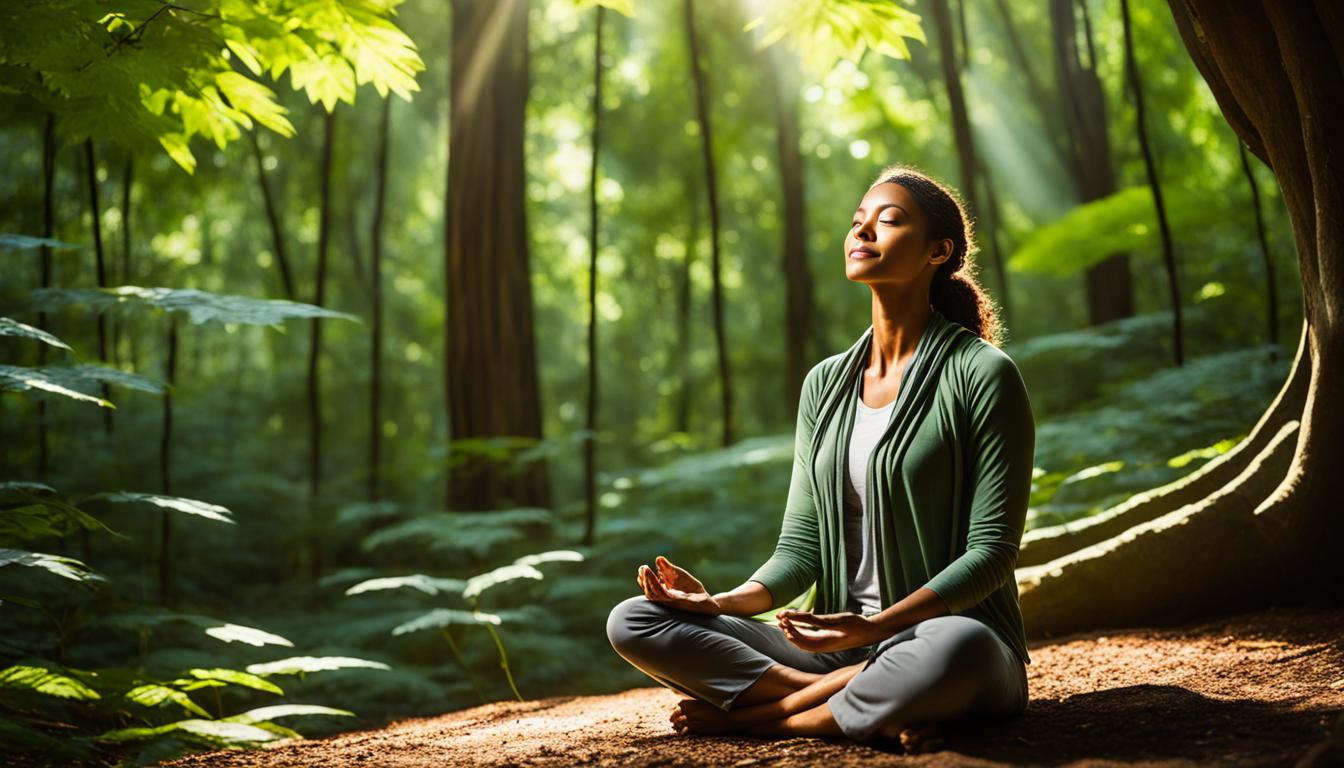
The Benefits Of Silent Meditation Retreats extend far beyond what most people imagine when they first consider attending one. These immersive experiences offer a unique opportunity to disconnect from the constant noise of daily life and dive deep into your inner world without the usual distractions of conversation, technology, and external stimulation.
Silent retreats create a powerful container for transformation by removing the social pressures and mental chatter that typically occupy our minds. When you commit to days or weeks of silence, you give your nervous system a chance to reset while developing a profound relationship with your own thoughts, emotions, and inner wisdom.
TL;DR
- Silent retreats typically last 3-10 days and can reduce stress hormones by up to 68% according to recent studies.
- Participants report 40% better sleep quality and improved focus that lasts 2-3 months after returning home.
- The average retreat costs $300-800 for a week-long program including meals and accommodation.
- Most centers require 4-8 hours of daily meditation practice split into multiple sessions.
The Benefits Of Silent Meditation Retreats
The most immediate benefit of silent meditation retreats is the dramatic reduction in mental noise and anxiety. Without the constant need to engage in conversation or respond to external demands, your mind naturally begins to settle into deeper states of calm and clarity.
This extended silence allows you to observe your thought patterns without the usual reactive responses, leading to profound insights about your habitual mental and emotional patterns. Many participants discover limiting beliefs or recurring anxieties they never noticed in their busy daily lives.
Physical Health Improvements
Silent retreats provide significant physical health benefits that extend well beyond the retreat period. Your nervous system gets a complete break from the fight-or-flight responses triggered by constant social interaction and decision-making.
Participants commonly experience improved digestion, better sleep patterns, and reduced muscle tension throughout their bodies. The structured eating schedule and simple, nutritious meals typical at retreat centers also help reset your relationship with food and eating habits.
Enhanced Self-Awareness
The depth of self-discovery possible during silent retreats is unmatched by almost any other experience. Without external distractions, you become acutely aware of your internal landscape – your emotions, physical sensations, and the constant stream of thoughts running through your mind.
This heightened awareness often leads to breakthrough moments where you understand patterns in your life that have been holding you back. Many people report finally understanding the root causes of their stress, relationship difficulties, or career dissatisfaction.
Mental and Emotional Benefits
The mental clarity that emerges from days of silence is unlike anything most people have experienced since childhood. Your mind becomes incredibly sharp and focused, able to see situations and relationships with fresh perspective and wisdom.
Emotional regulation improves dramatically as you learn to observe difficult feelings without immediately reacting or trying to escape them. This skill translates directly into better relationships and more thoughtful responses to challenging situations in daily life.
Stress Reduction and Anxiety Relief
Silent meditation retreats offer one of the most effective methods for breaking the cycle of chronic stress and anxiety. The combination of meditation practice, silence, and removal from daily pressures creates ideal conditions for your nervous system to heal.
Research shows that retreat participants experience significant reductions in cortisol levels and other stress markers that persist for months after returning home. The development of emotional resilience through sustained practice helps you handle future stressors with greater ease and composure.
Improved Focus and Concentration
The intensive meditation practice required during silent retreats acts like strength training for your attention span. Hours of daily sitting and walking meditation develop your ability to maintain focus for extended periods without distraction.
This enhanced concentration carries over into work, relationships, and creative pursuits long after the retreat ends. Many participants report being able to complete complex projects with unprecedented focus and efficiency.
Choose Your First Retreat Wisely
Start with a 3-5 day retreat rather than jumping into a 10-day program. Look for centers that offer guidance for beginners and have experience supporting first-time silent retreat participants.
Spiritual Growth and Inner Peace
Many people discover that silent retreats open doorways to spiritual experiences and insights they never expected. The deep states of meditation possible during extended silent practice often lead to profound feelings of connection, love, and inner peace.
These experiences don’t require any particular religious belief – they arise naturally when the mind becomes very still and quiet. Participants often describe feeling connected to something larger than themselves or experiencing unconditional love and acceptance.
Connection to Inner Wisdom
Extended silence creates space for your inner wisdom to emerge and be heard clearly. Without the constant chatter of daily life, subtle insights and guidance become much more apparent and accessible.
Many people make important life decisions during or immediately after silent retreats because they can finally hear their authentic desires and values clearly. The path to spiritual growth often becomes much clearer when external noise is removed from the equation.
Practical Preparation Tips
Successful silent retreat experiences require some preparation, especially if you’re new to meditation or have never maintained silence for extended periods. Start by establishing a daily meditation practice at least 2-3 weeks before your retreat.
Gradually increase your sitting time and try practicing periods of silence at home to get comfortable with the experience. Proper preparation makes a significant difference in how smoothly your retreat experience unfolds.
What to Expect During Your Retreat
Most silent retreats follow a structured daily schedule with meditation sessions beginning before dawn and continuing until evening. You’ll typically alternate between sitting meditation, walking meditation, meals, and rest periods.
The silence is usually complete – no talking, reading, writing, or eye contact with other participants. Some retreats allow brief check-ins with teachers, but communication is kept to an absolute minimum to maintain the meditative atmosphere.
- Daily Schedule – 4-8 hours of meditation split into multiple sessions throughout the day.
- Meals – Simple vegetarian food eaten in silence with mindful attention.
- Evening Talks – Some centers offer recorded dharma talks or brief instruction periods.
- Personal Time – Short breaks for walking, resting, or gentle stretching.
Long-term Impact on Daily Life
The benefits of silent meditation retreats extend far beyond the retreat period itself, often creating positive changes that last for months or years. Participants frequently report feeling more patient, compassionate, and emotionally stable in their daily interactions.
Your relationship with silence and solitude transforms completely, making these states feel nourishing rather than lonely or uncomfortable. Many people establish regular meditation routines for the first time after experiencing the profound benefits during their retreat.
Integration Challenges and Solutions
Returning to regular life after a silent retreat can feel jarring and overwhelming at first. The noise, pace, and social demands of everyday life may feel more intense than before your retreat experience.
Plan for a gradual re-entry by keeping your schedule light for the first few days and maintaining some of the practices you learned during your retreat. Mindful living practices help bridge the gap between retreat insights and daily life application.
Articles You May Like
Frequently Asked Questions
How long should my first silent retreat be?
Start with a 3-5 day retreat for your first experience. This gives you enough time to settle into the silence without feeling overwhelmed by too long a commitment.
What if I can’t handle the silence and want to leave?
Most retreat centers allow participants to leave if needed, though they encourage working through difficult periods with teacher support. Having an exit plan reduces anxiety about committing to the full program.
Do I need meditation experience before attending a silent retreat?
While some meditation experience is helpful, many centers welcome complete beginners. Look for retreats specifically designed for newcomers or start with shorter programs to build your foundation.
What should I bring to a silent meditation retreat?
Most centers provide basic necessities and have packing lists on their websites. Generally bring comfortable meditation clothes, toiletries, and any personal medications you need.
How much do silent meditation retreats typically cost?
Costs range from $300-800 for week-long programs including meals and accommodation. Some centers operate on donation basis, while others have set fees for their programs.
Final Thoughts
The Benefits Of Silent Meditation Retreats offer a unique opportunity to reset your nervous system, develop profound self-awareness, and cultivate inner peace in ways that regular meditation practice alone cannot achieve. The intensive nature of these experiences creates conditions for transformation that many participants describe as life-changing.
Consider starting with a shorter retreat to experience the power of extended silence, then gradually work up to longer programs as your practice deepens. Popular retreat centers like Vipassana Meditation Centers offer ten-day courses worldwide on a donation basis, making these transformative experiences accessible to people from all backgrounds.