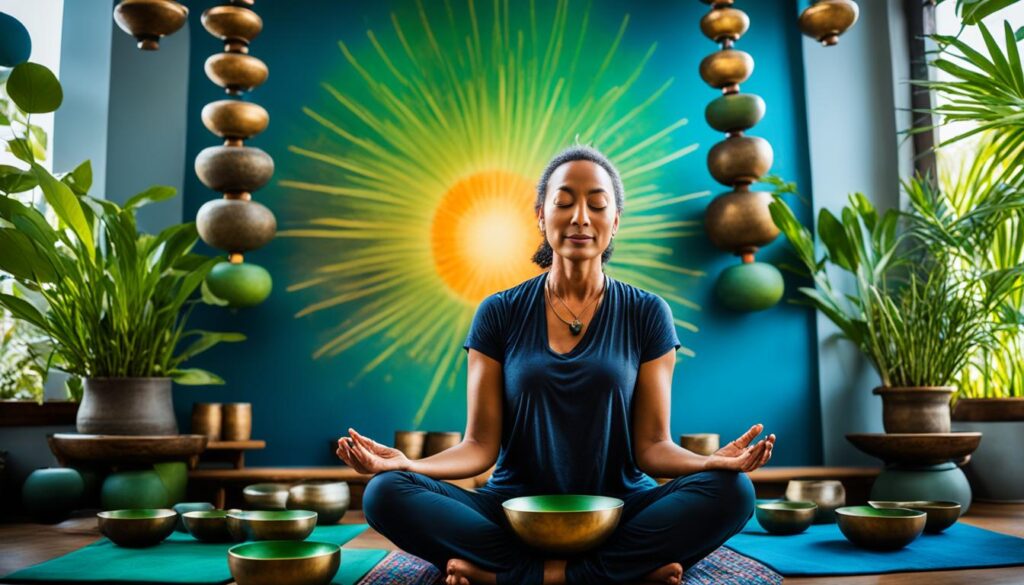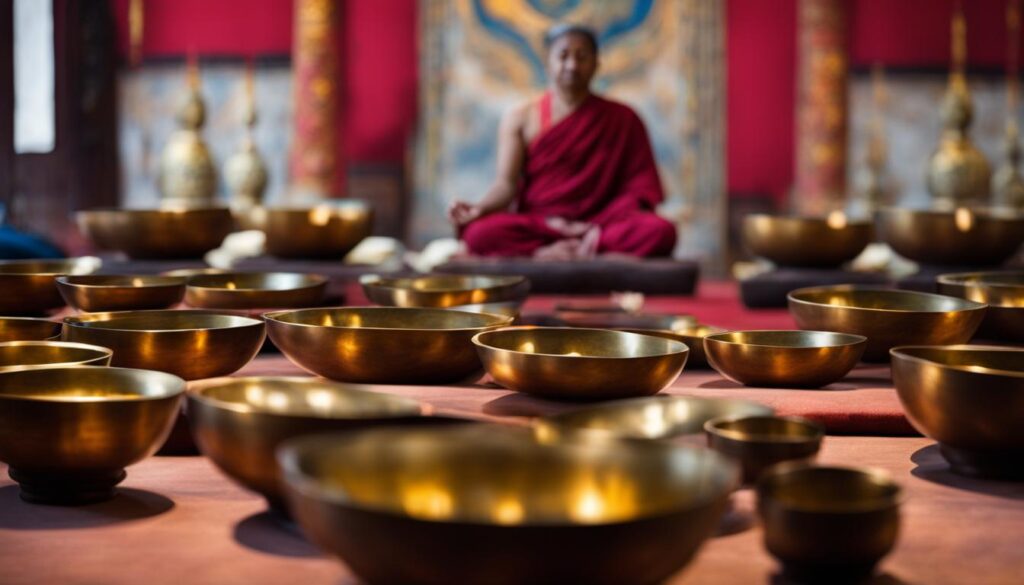
The Healing Power Of Tibetan Singing Bowls In Meditation has captivated practitioners for centuries with their profound ability to create deep states of relaxation and spiritual connection. These ancient instruments produce rich, resonant tones that can transform your meditation practice from ordinary to extraordinary.
Traditional Tibetan singing bowls were originally crafted by skilled artisans using a blend of seven metals, each corresponding to celestial bodies and their healing properties. Today, these sacred instruments continue to offer modern meditators a powerful tool for stress relief, emotional balance, and spiritual awakening.
TL;DR
- Tibetan singing bowls produce sound frequencies between 110-660 Hz that synchronize brainwaves and promote deep relaxation states.
- A 10-minute singing bowl meditation session can reduce cortisol levels by up to 38% according to recent stress research studies.
- The seven-metal composition traditionally includes gold, silver, mercury, copper, iron, tin, and lead for optimal harmonic resonance.
- Sound therapy with singing bowls activates the parasympathetic nervous system within 3-5 minutes of consistent tone exposure.
The Healing Power Of Tibetan Singing Bowls In Meditation
Tibetan singing bowls work through the principle of sound healing, where specific frequencies interact with your body’s natural vibrations to restore balance and harmony. When you strike or rim a singing bowl, it creates sustained tones that penetrate deeply into your tissues, organs, and energy centers.
The therapeutic effects occur because sound waves travel through water – and since your body is approximately 60% water, these vibrations create a full-body experience. Research shows that the alpha and theta brainwave states induced by singing bowl meditation mirror those found in deep meditative and healing states.
Physical Healing Benefits
The vibrations from Tibetan singing bowls offer measurable physical benefits that extend far beyond relaxation. Studies indicate that regular sound therapy sessions can lower blood pressure, reduce chronic pain, and improve immune system function.
- Stress Reduction – Cortisol levels drop significantly during and after singing bowl sessions, providing lasting stress relief.
- Pain Management – Vibrations help release muscle tension and can reduce inflammation in joints and tissues.
- Improved Sleep – The calming frequencies naturally regulate circadian rhythms and promote deeper sleep cycles.
- Enhanced Circulation – Sound waves stimulate blood flow and lymphatic drainage throughout the body.
Emotional And Mental Wellness Through Sound
Beyond physical healing, Tibetan singing bowls excel at creating emotional balance and mental clarity during meditation practice. The sustained tones help quiet mental chatter and create space for deeper self-reflection and emotional processing.
Many practitioners report feeling emotionally “reset” after singing bowl sessions, as if the vibrations have cleared away accumulated stress and negative emotions. This makes them particularly valuable for those dealing with anxiety, depression, or emotional overwhelm.
Chakra Balancing With Singing Bowls
Different sized bowls produce specific frequencies that correspond to your body’s energy centers or chakras. Practitioners often use sets of bowls tuned to different chakra frequencies for comprehensive energy healing.
- Root Chakra (194 Hz) – Deep, low tones for grounding and stability.
- Sacral Chakra (210 Hz) – Warm tones for creativity and emotional flow.
- Solar Plexus Chakra (126 Hz) – Bright tones for personal power and confidence.
- Heart Chakra (341 Hz) – Harmonious tones for love and compassion.
- Throat Chakra (384 Hz) – Clear tones for communication and truth.
- Third Eye Chakra (426 Hz) – Penetrating tones for intuition and insight.
- Crown Chakra (480 Hz) – High, ethereal tones for spiritual connection.
Perfect Bowl Size for Beginners
Start with a medium-sized bowl (6-8 inches) as it produces balanced tones that are neither too overwhelming nor too subtle. This size range works well for both striking and rimming techniques while fitting comfortably in your hands.
Meditation Techniques With Singing Bowls
Incorporating Tibetan singing bowls into your meditation practice requires understanding both the physical techniques and the mindful awareness that amplifies their effects. The two primary methods – striking and rimming – each offer unique benefits for different meditation goals.
Striking produces sharp, clear tones that cut through mental noise and bring immediate focus to the present moment. Rimming creates sustained, flowing sounds that support longer meditation sessions and deeper states of consciousness.
Basic Striking Technique
Hold the bowl firmly in your palm with fingers extended to avoid dampening the vibrations. Use a wooden or felt-covered striker to gently tap the outer rim at a 45-degree angle.
- Positioning. Sit comfortably with the bowl resting on your open palm or a cushion.
- Striking. Tap the bowl’s outer edge with moderate force, allowing the striker to bounce away immediately.
- Listening. Close your eyes and follow the sound as it naturally fades into silence.
- Breathing. Synchronize your breath with the tone’s duration for deeper relaxation.
Rimming for Sustained Tones
Rimming requires patience and practice but produces the most therapeutic sustained sounds. Apply steady pressure while moving the striker clockwise around the bowl’s rim at a consistent speed.
- Setup. Place the bowl on a stable cushion or your palm with fingers spread wide.
- Contact. Press the striker firmly against the outer rim and begin slow, circular movements.
- Consistency. Maintain even pressure and speed to avoid breaks in the tone.
- Focus. Let the continuous sound become your meditation anchor point.
Choosing Your Perfect Singing Bowl
Selecting the right Tibetan singing bowl involves more than just appearance – the size, metal composition, and tonal quality all impact your meditation experience. Traditional hand-hammered bowls offer superior harmonic complexity compared to machine-made alternatives.
Test different bowls by listening to their unique tonal characteristics and noticing how each one affects your body and mind. The right bowl will resonate with you both literally and figuratively, creating an immediate sense of peace and connection.
Size And Tone Considerations
- Small Bowls (3-5 inches) – Higher pitched tones, perfect for throat and crown chakra work.
- Medium Bowls (6-8 inches) – Balanced tones suitable for heart and solar plexus chakras.
- Large Bowls (9-12 inches) – Deep, grounding tones ideal for root and sacral chakra healing.
- Extra Large Bowls (13+ inches) – Profound bass tones for full-body vibrational therapy.
Creating Your Sound Meditation Practice
Building a consistent practice with Tibetan singing bowls transforms occasional relaxation into profound healing and spiritual growth. Start with short 5-10 minute sessions and gradually extend your practice as you become more comfortable with the techniques and effects.
Combine singing bowl meditation with other mindfulness practices like breath awareness or meditation music to create a rich, multi-layered experience that addresses your specific wellness needs.
Weekly Practice Structure
- Daily Strikes. Begin each meditation with three bowl strikes to center your awareness and signal the start of practice.
- Midweek Rimming. Practice sustained rimming 2-3 times per week for deeper stress relief and emotional processing.
- Weekend Sessions. Dedicate longer weekend sessions to chakra balancing using multiple bowls or extended single-bowl meditations.
- Integration Time. End each session with 2-3 minutes of silence to integrate the healing vibrations.
Articles You May Like
Frequently Asked Questions
How long should I meditate with a singing bowl for maximum benefits?
Start with 5-10 minute sessions and gradually increase to 20-30 minutes as you become more comfortable. Even short 5-minute sessions provide measurable stress relief and relaxation benefits.
Can singing bowl meditation help with anxiety and depression?
Yes, research shows that sound therapy with singing bowls can reduce anxiety symptoms and improve mood by lowering cortisol levels and promoting relaxation responses. However, it should complement, not replace, professional mental health treatment.
What’s the difference between Tibetan and crystal singing bowls?
Tibetan bowls are made from metal alloys and produce warm, complex harmonics with rich overtones. Crystal bowls are made from quartz and create pure, penetrating tones that some find more intense but less harmonically rich.
Do I need special training to use singing bowls for meditation?
Basic techniques can be learned easily, but proper form enhances the experience significantly. Consider taking a workshop or working with an experienced practitioner to learn optimal striking and rimming techniques.
Can children safely use Tibetan singing bowls?
Yes, children often respond very positively to singing bowl meditation. Supervise young children during use and start with gentler tones, as children’s hearing is more sensitive than adults’.
Final Thoughts
The Healing Power Of Tibetan Singing Bowls In Meditation offers a time-tested path to physical healing, emotional balance, and spiritual growth that modern science continues to validate. These ancient instruments bridge the gap between traditional wisdom and contemporary wellness practices with measurable results.
Begin your journey with a single bowl and simple striking techniques, then gradually explore the deeper possibilities as your practice develops. The healing vibrations await your discovery – all you need to do is listen.