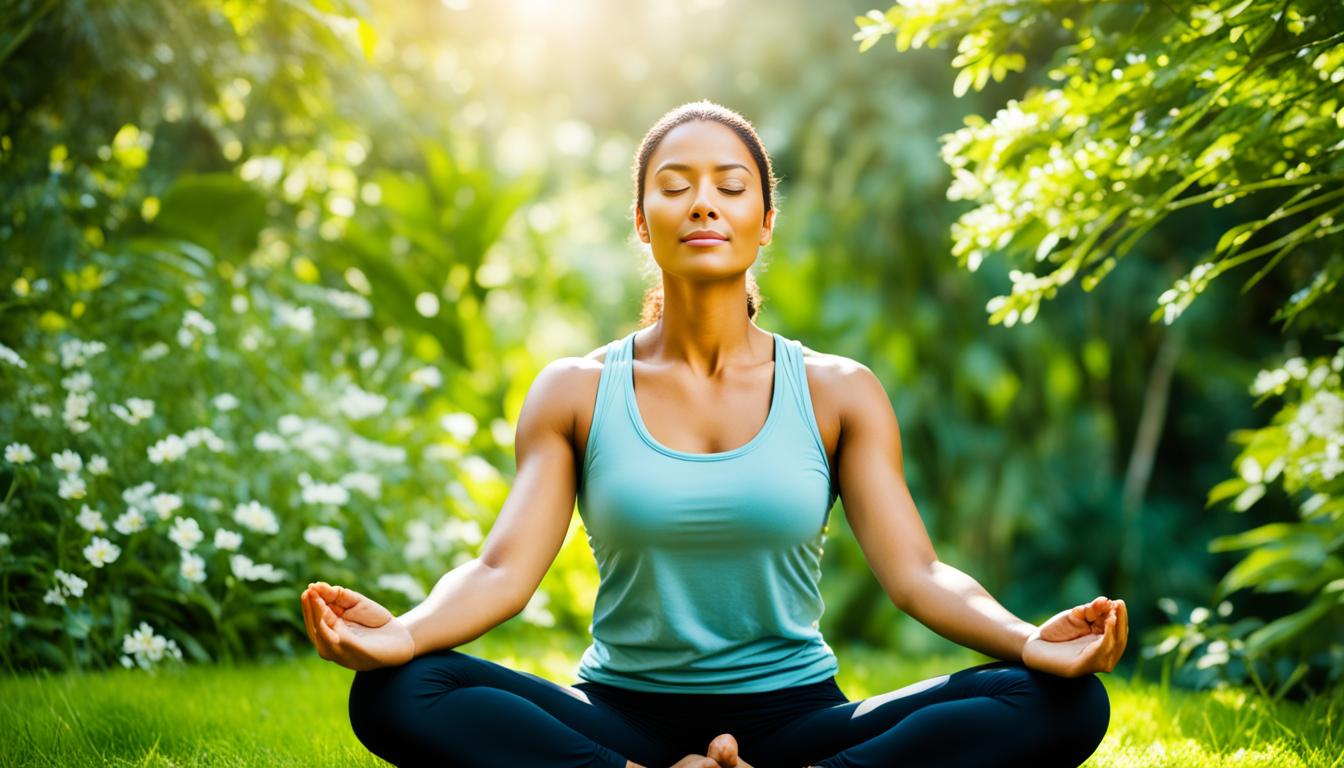
Yoga And Meditation Finding Harmony In Practice represents the perfect union of two ancient disciplines that complement each other beautifully. When you combine these practices, you create a powerful foundation for both physical health and mental clarity that goes far beyond what either practice offers alone.
Many people practice yoga or meditation separately without realizing how much more effective they become when woven together intentionally. The physical awareness you develop through yoga naturally deepens your meditation, while the mental focus from meditation brings greater presence to your yoga practice.
TL;DR
- Combining yoga and meditation can reduce stress hormones by up to 23% more than either practice alone.
- Starting with just 10 minutes of yoga followed by 5 minutes of meditation creates measurable benefits within 2 weeks.
- The physical preparation from yoga helps 78% of people sit comfortably for longer meditation sessions.
- Practicing both together increases mind-body awareness by activating both movement and stillness pathways in the brain.
Yoga And Meditation Finding Harmony In Practice
The relationship between yoga and meditation runs deeper than most people realize. Traditional yoga was actually designed as preparation for meditation – the physical postures were meant to create a stable, comfortable body that could sit in stillness for extended periods.
When you practice yoga mindfully, you’re already meditating in motion. Each pose becomes an opportunity to focus your attention, breathe consciously, and observe your body’s sensations without judgment.
How Yoga Prepares Your Body for Meditation
Physical tension and discomfort are among the biggest obstacles to successful meditation. Your body needs to feel settled before your mind can truly relax into deeper states of awareness.
Yoga addresses these physical barriers systematically:
- Releases muscle tension – Gentle stretching and movement help your body let go of accumulated stress and tightness.
- Improves posture – Strengthening your core and spine makes sitting upright feel natural rather than forced.
- Increases flexibility – Better range of motion in your hips and shoulders allows for comfortable meditation positions.
- Calms your nervous system – The rhythmic movement and breathing naturally shift you from stress mode to rest mode.
Simple Pre-Meditation Yoga Sequence
This gentle 10-minute sequence prepares your body perfectly for sitting meditation. Move slowly and breathe deeply throughout each pose.
- Cat-Cow stretches. Warm up your spine with 8-10 gentle movements, coordinating breath with motion.
- Child’s pose. Hold for 1-2 minutes to center yourself and release lower back tension.
- Seated spinal twist. 30 seconds each side to create mobility in your torso and release deeper tension.
- Neck and shoulder rolls. Release upper body tension with slow, mindful movements.
- Hip circles. Sitting cross-legged, make slow circles with your torso to open your hips.
How Meditation Deepens Your Yoga Practice
While yoga prepares your body for meditation, meditation brings profound depth to your yoga practice. The awareness and presence you cultivate in stillness naturally carries over into movement.
Regular meditation helps you approach yoga with greater mindfulness and less ego. You become more interested in how poses feel rather than how they look, leading to safer practice and deeper benefits.
Start Small for Big Results
Begin with just 5 minutes of gentle yoga followed by 5 minutes of breath awareness meditation. This manageable combination builds the habit without feeling overwhelming.
Meditation Benefits for Yoga Practitioners
- Enhanced body awareness – You notice subtle sensations and alignment cues more clearly.
- Better breath control – Meditation naturally deepens and steadies your breathing patterns.
- Reduced competition mentality – Less comparison with others leads to safer, more intuitive practice.
- Greater patience – You can hold challenging poses longer without frustration or strain.
- Deeper relaxation – Your final savasana becomes truly restorative rather than restless.
Creating Your Integrated Practice
The most effective approach combines yoga and meditation in a way that feels natural and sustainable for your lifestyle. You don’t need long sessions – consistency matters more than duration.
Consider these practical integration methods:
The Sandwich Approach
Frame your yoga practice with brief meditation periods. Start with 2-3 minutes of deep breathing for relaxation to center yourself, practice yoga in the middle, then end with 5-10 minutes of seated meditation.
Moving Meditation Yoga
Turn your entire yoga practice into meditation by moving extremely slowly and maintaining complete focus on breath and sensation. Each transition becomes as important as each pose.
Theme-Based Integration
Choose a meditation theme like compassion or gratitude, then practice yoga poses that embody that quality. Heart-opening poses for loving-kindness meditation, or grounding poses for stability meditation work beautifully together.
Common Mistakes to Avoid
Many people struggle with combining these practices because they approach them incorrectly. Understanding these pitfalls helps you create a more effective routine.
- Rushing through yoga to get to meditation – Both practices deserve your full attention and presence.
- Making yoga too intense before meditation – Vigorous practice can leave you too energized to sit still comfortably.
- Expecting immediate results – The synergy between practices develops gradually over weeks of consistent practice.
- Forcing uncomfortable positions – Use props and modifications to make both practices accessible and sustainable.
Building Your Daily Routine
Success comes from finding an approach that fits realistically into your life. Start with what feels manageable and build from there rather than attempting an ambitious routine you can’t maintain.
A simple daily practice might look like this:
- Morning centering. 3 minutes of gentle stretching and breath awareness upon waking.
- Midday reset. 5 minutes of yoga poses for meditation if you feel stressed or restless.
- Evening integration. 15 minutes combining gentle yoga flows with seated meditation before bed.
Adapting for Different Schedules
Your practice doesn’t need to look the same every day. Flexibility in approach helps maintain consistency even during busy periods.
- Busy days – 5 minutes of conscious breathing combined with gentle neck and shoulder movements.
- Normal days – 10-15 minutes of yoga followed by 5-10 minutes of meditation.
- Relaxed days – Longer sessions exploring the power of combining yoga and meditation in depth.
Articles You May Like
Frequently Asked Questions
Should I do yoga before or after meditation?
Most people find yoga before meditation more effective because physical movement helps release tension and prepare the body for stillness. However, gentle yoga after meditation can also deepen relaxation.
How long should I practice each?
Start with 10 minutes of yoga followed by 5 minutes of meditation. As you build consistency, you can gradually increase duration based on what feels sustainable for your lifestyle.
Can I meditate during yoga poses?
Yes, holding poses mindfully while focusing on breath and sensation is a form of meditation. This approach works especially well with restorative poses or longer-held postures.
What if I’m too tired after yoga to meditate?
Choose gentler yoga poses or reduce the intensity of your practice. The goal is to feel relaxed but alert, not exhausted, when transitioning to meditation.
Do I need special equipment for both practices?
A yoga mat and meditation cushion or chair are helpful but not essential. You can practice both on a carpet or blanket and use pillows for support as needed.
Final Thoughts
Yoga And Meditation Finding Harmony In Practice offers a complete approach to well-being that addresses both body and mind simultaneously. The combination creates benefits that neither practice achieves alone, leading to greater mind-body connection and overall life balance.
Start with just a few minutes of each practice and notice how they naturally support and enhance each other. The harmony you create on your mat will gradually extend into every area of your daily life, supported by research from the National Institutes of Health showing the measurable benefits of combined mind-body practices.