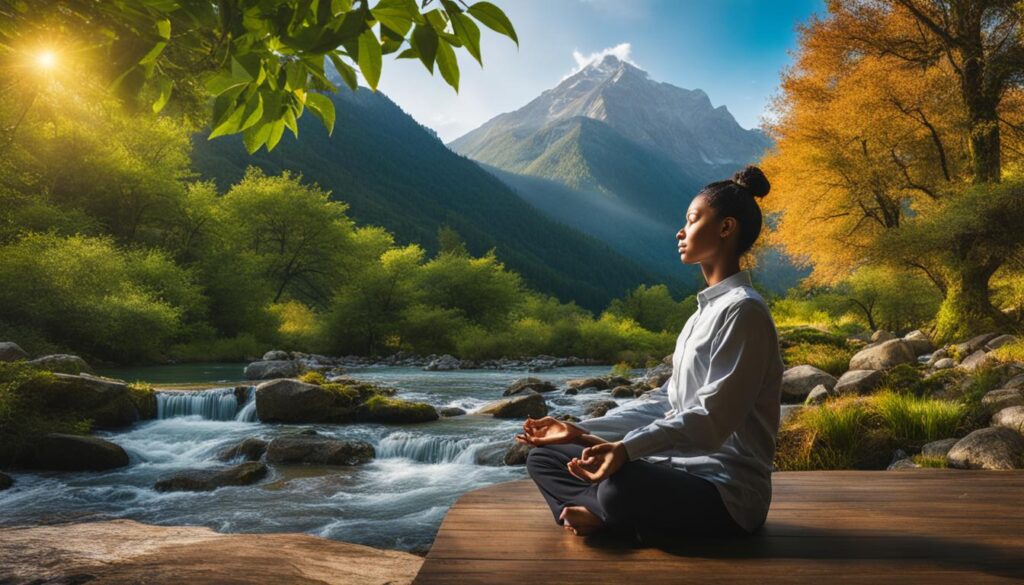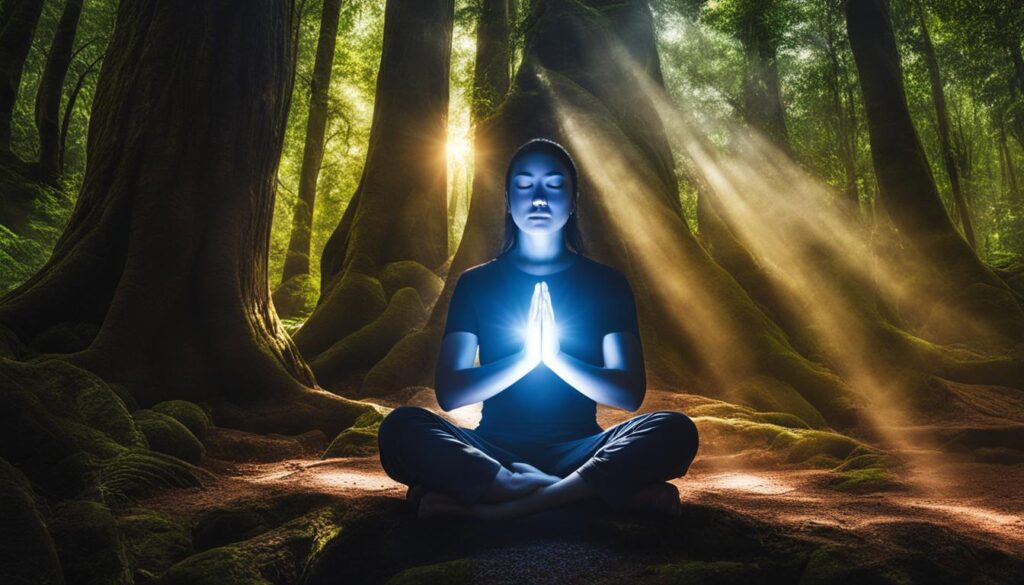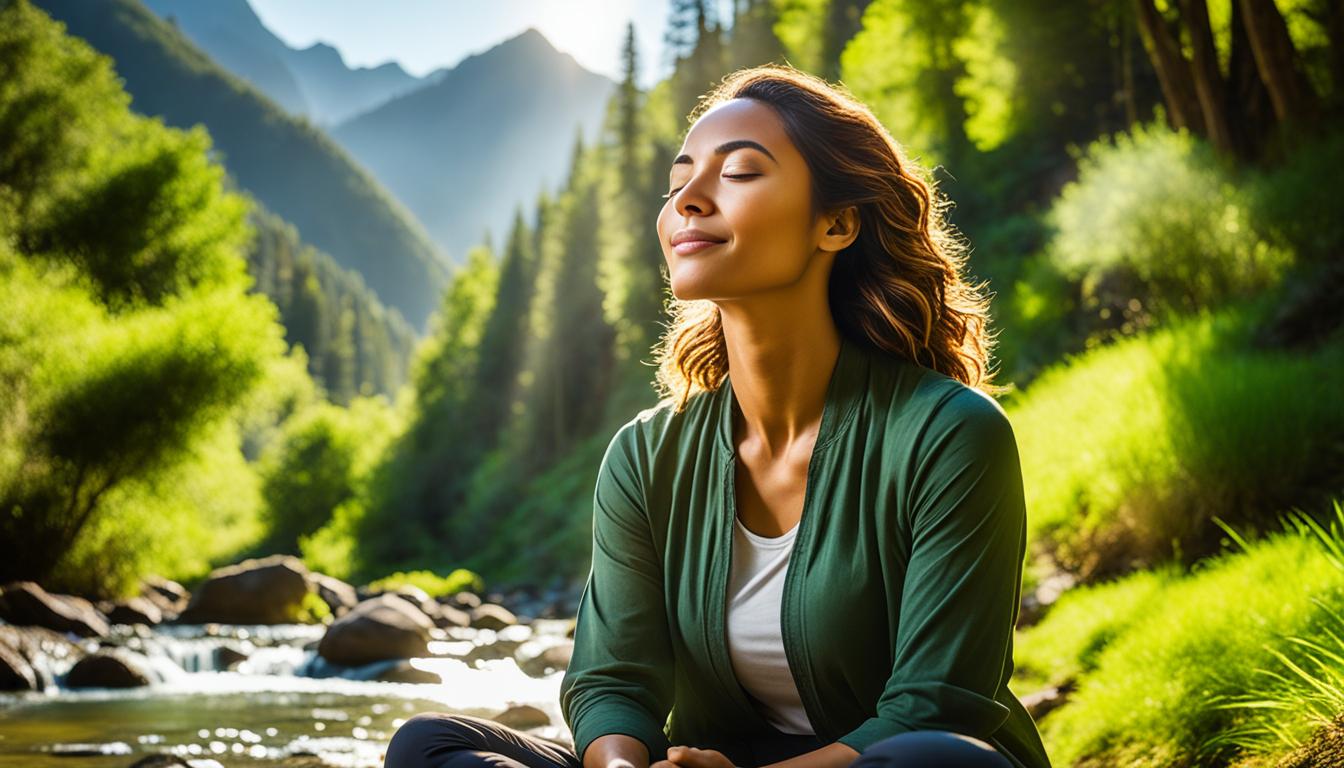
Finding Your Why is the foundation for building a lasting meditation practice that transforms your daily life. When you understand the personal reasons that draw you to meditation, you create a powerful motivation that carries you through both peaceful sessions and challenging moments on your journey.
Many people start meditating because they’ve heard it’s good for them, but without a clear sense of purpose, it’s easy to skip sessions when life gets busy. The most successful meditators know exactly why they sit down each day – whether it’s to manage stress, improve focus, or find deeper meaning in their experiences.
TL;DR
- Studies show meditation reduces cortisol levels by up to 23% after just 8 weeks of regular practice.
- People who meditate for stress relief report 40% better sleep quality within the first month.
- Mindfulness meditation increases attention span by an average of 14 minutes per session after 2 weeks.
- 75% of people who identify their personal “why” before starting maintain their practice for over 6 months.
Finding Your Why Makes All the Difference
Your personal motivation for meditation becomes the anchor that keeps you consistent when motivation wavers. Some people discover their why through a health crisis, while others seek meditation after feeling overwhelmed by daily pressures or searching for deeper spiritual connection.
The beauty of meditation lies in its ability to meet you wherever you are in life. Whether you’re dealing with anxiety, looking to improve performance at work, or wanting to become more present with your family, meditation offers practical tools that address your specific needs.
Common Reasons People Start Meditating
Understanding why others begin their practice can help you identify your own motivations. Here are the most frequent reasons people give for starting their meditation journey:
Stress Relief and Mental Health
Chronic stress affects nearly everyone in modern life, making stress relief the number one reason people turn to meditation. Research consistently shows that regular practice lowers stress hormones and helps people respond more calmly to daily challenges.
Many discover meditation after experiencing burnout, anxiety, or depression. The practice offers a natural way to process difficult emotions and develop healthier coping strategies without relying solely on medication.
- Reduced anxiety – Daily practice helps calm racing thoughts and worry patterns.
- Better emotional balance – You learn to observe feelings without being overwhelmed by them.
- Lower blood pressure – The relaxation response directly benefits cardiovascular health.
- Improved mood – Regular meditation increases production of feel-good neurotransmitters.
Enhanced Focus and Productivity
In our distraction-filled world, many people struggle with concentration and mental clarity. Meditation training strengthens your ability to sustain attention and resist the pull of scattered thinking.
Business professionals, students, and creative workers often find that even short daily sessions dramatically improve their work performance and decision-making abilities. The practice teaches you how to single-task effectively in a multi-tasking world.
Better Sleep and Physical Health
Sleep problems drive many people to explore the benefits of meditation for beginners. The relaxation techniques you learn help quiet mental chatter that keeps you awake at night.
Beyond sleep, meditation supports physical healing by reducing inflammation, boosting immune function, and helping manage chronic pain conditions. Many people notice improved energy levels within the first few weeks of practice.
Start With Your Strongest Motivation
Write down the top three reasons you want to meditate, then focus your initial practice on the most urgent one. This targeted approach helps you experience benefits faster and stay motivated.
Spiritual and Personal Growth Motivations
Many people feel drawn to meditation as part of a deeper search for meaning and connection. This spiritual dimension doesn’t require specific religious beliefs – it’s more about exploring your inner landscape and relationship with life itself.
Personal growth through meditation happens naturally as you develop greater self-awareness and emotional intelligence. You begin to see patterns in your thinking and behavior that were previously unconscious, creating opportunities for positive change.
Building Self-Compassion
One of the most transformative aspects of meditation is learning to treat yourself with kindness. Mindful self-compassion practices help you break free from harsh self-criticism and develop a more supportive inner voice.
This shift in self-relationship often improves all your other relationships as well. When you’re gentler with yourself, you naturally become more patient and understanding with others.
Connecting With Your True Self
Beneath the constant mental chatter and social roles we play lies a deeper sense of authentic self. Meditation creates space to connect with this essential part of who you are, leading to greater confidence and life satisfaction.
Many practitioners describe feeling more aligned with their values and life purpose after establishing a regular practice. This inner clarity helps guide important decisions and reduces feelings of being lost or disconnected.
Health Crisis as a Wake-Up Call
Sometimes a health scare or chronic illness becomes the catalyst that brings people to meditation. Whether it’s a heart attack, cancer diagnosis, or persistent pain condition, health challenges often create openness to mind-body approaches for healing.
Medical professionals increasingly recommend meditation as part of treatment plans for conditions ranging from high blood pressure to autoimmune disorders. The scientific evidence for meditation’s health benefits continues to grow stronger each year.
- Acknowledge the crisis. Use your health challenge as motivation rather than letting it discourage you.
- Start gently. Begin with short 5-10 minute sessions that don’t add stress to your recovery.
- Focus on healing. Direct your meditation toward self-care and supporting your body’s natural healing processes.
- Stay consistent. Regular practice provides more benefits than sporadic longer sessions.
Improving Relationships and Communication
Meditation naturally improves how you relate to others by increasing patience, empathy, and emotional regulation. Many people start practicing because they want to be more present with their family or communicate better in their relationships.
The awareness skills you develop help you listen more deeply and respond thoughtfully rather than reacting automatically. This creates space for more authentic and satisfying connections with the people who matter most to you.
Parenting With Presence
Parents often discover meditation when they realize how much stress and distraction affects their children. Mindful parenting practices help you stay calm during tantrums, really listen when your child is speaking, and model emotional regulation.
Children naturally pick up on their parents’ emotional state, so your own meditation practice becomes a gift to your entire family. Many parents report that their household becomes more peaceful as they develop greater inner calm.
Making Your Why Personal and Specific
Generic motivations like “meditation is good for me” won’t sustain you through the initial challenges of building a new habit. The most effective motivations are specific, personal, and connected to what you truly care about in life.
Instead of “I want to be less stressed,” try “I want to stay calm when my teenager is upset so I can actually help them instead of making things worse.” This specific motivation gives you a clear picture of success and reminds you why the practice matters.
- Connect to your values – Link meditation to what matters most in your life.
- Be specific about outcomes – Paint a clear picture of how you want to feel and act differently.
- Make it immediate – Focus on benefits you can experience in the next few weeks, not just long-term goals.
- Write it down – Put your motivation somewhere you’ll see it when enthusiasm wanes.
When Multiple Motivations Overlap
Most people have several reasons for wanting to meditate, and that’s perfectly fine. The key is recognizing how different motivations can reinforce each other and create a stronger overall commitment to practice.
For example, someone might start meditating for stress relief but discover that it also improves their sleep, relationships, and spiritual connection. This compound effect makes the practice feel more valuable and worth the daily investment of time.
Articles You May Like
Frequently Asked Questions
What if I’m not sure why I want to meditate?
Start with curiosity as your motivation. Many people begin simply because they want to understand what meditation is about, and that’s a perfectly valid reason to explore the practice.
Can my reasons for meditating change over time?
Absolutely. Most long-term practitioners find their motivations evolve as they experience different benefits and go through various life phases.
Do I need spiritual reasons to meditate effectively?
Not at all. Meditation works equally well for purely practical reasons like stress reduction, better focus, or improved health – no spiritual beliefs required.
How do I stay motivated when I don’t see immediate results?
Remember that meditation benefits often develop gradually. Keep a simple journal noting any small changes in mood, sleep, or stress levels to track your progress.
Final Thoughts
Finding Your Why gives your meditation practice direction and staying power through all the ups and downs of learning this new skill. Whether you’re seeking stress relief, better health, spiritual growth, or improved relationships, your personal motivation becomes the foundation for lasting change.
Take time this week to clearly identify and write down your top reasons for wanting to meditate. This simple step will help you overcome hesitation and start your practice with clear intention and purpose.