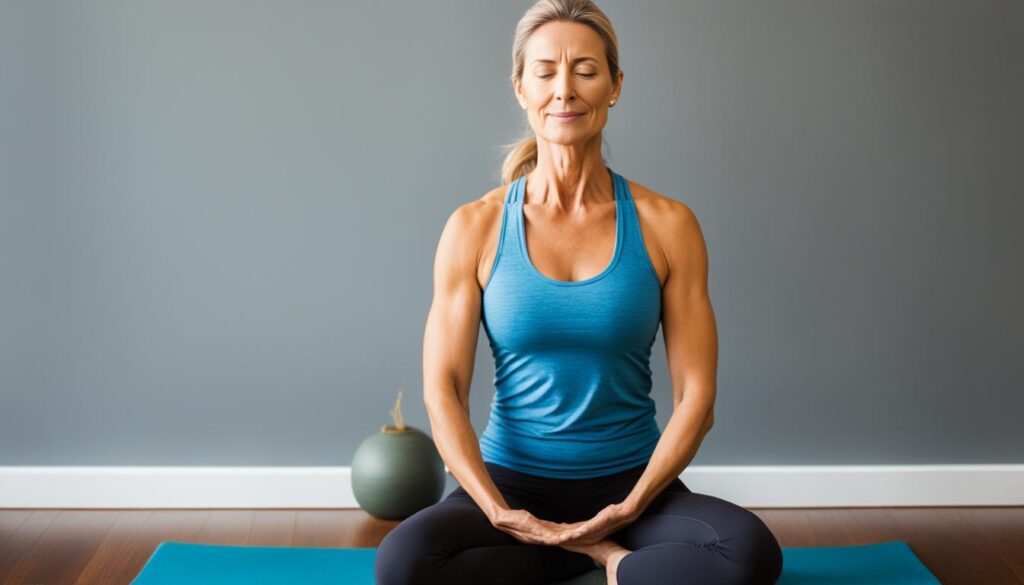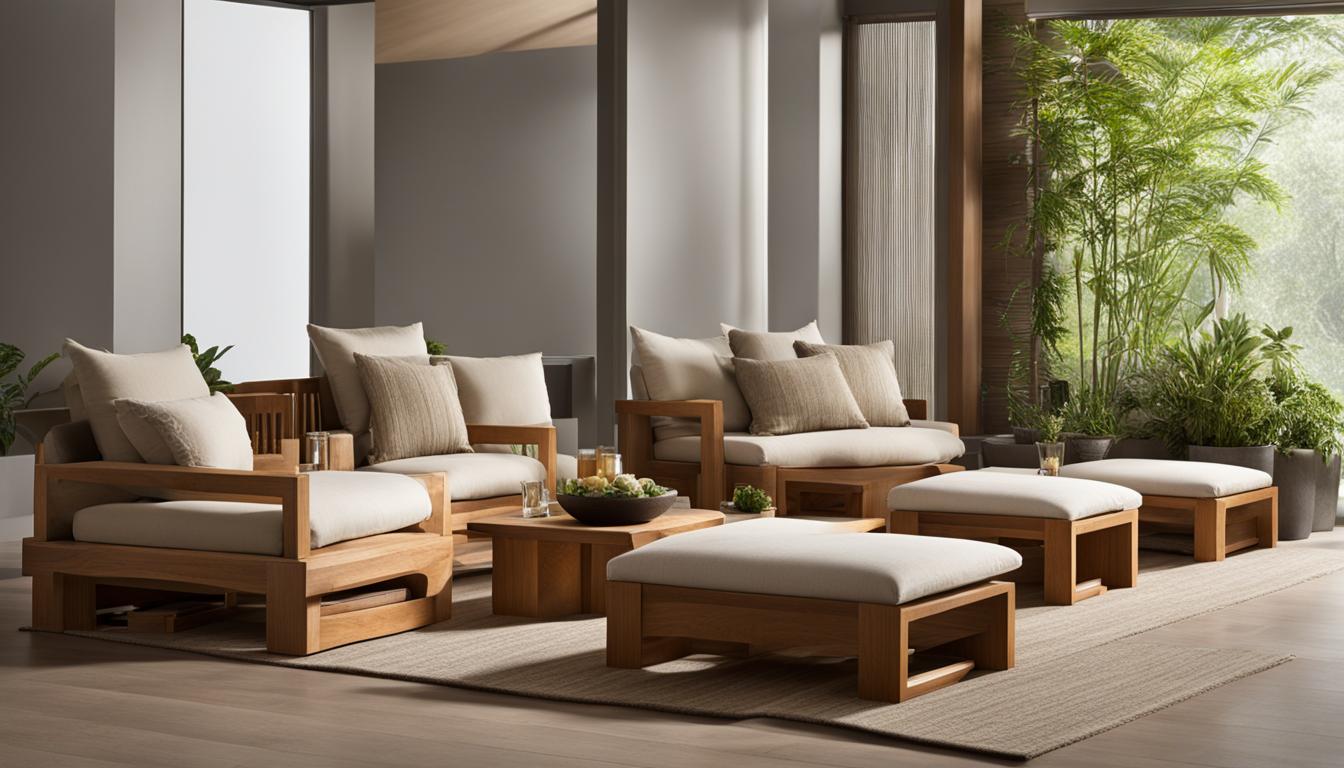
Meditation Benches And Seating provide essential support for maintaining proper posture during extended practice sessions. Many meditators discover that traditional floor sitting becomes uncomfortable after just a few minutes, leading to fidgeting and distraction that disrupts their focus.
The right seating solution transforms your meditation experience by reducing physical discomfort and allowing deeper concentration. Whether you’re dealing with knee pain, back stiffness, or simply want to sit longer without shifting positions, specialized meditation furniture offers practical solutions for every body type and flexibility level.
TL;DR
- Meditation benches reduce knee and ankle pressure by 60-80% compared to floor sitting.
- Proper seating height should position your hips 2-4 inches above your knees for optimal spinal alignment.
- Adjustable benches accommodate leg lengths from 28-36 inches for most adults.
- Cushioned seats reduce pressure points and allow 30-60 minutes of comfortable sitting.
Meditation Benches And Seating Options
Traditional meditation benches, also called seiza benches, originated from Japanese sitting practices and offer excellent support for kneeling positions. These simple wooden structures elevate your hips while keeping your legs tucked underneath, creating a stable tripod base with your knees and sitting bones.
Modern meditation seating has expanded beyond basic benches to include ergonomic designs, adjustable heights, and cushioned surfaces. The key principle remains the same – proper support maintains natural spinal curves while reducing strain on joints and muscles.
Types of Meditation Seating
Fixed-Height Benches
Standard meditation benches typically measure 6-8 inches in height and work well for average-height practitioners. These simple designs focus on durability and stability, often crafted from hardwoods like oak or bamboo.
- Traditional seiza bench – Classic Japanese design with angled legs for optimal knee clearance.
- Straight-leg bench – Simple rectangular design that’s easy to transport and store.
- Curved seat bench – Contoured surface that follows natural hip positioning.
Adjustable Meditation Benches
Height-adjustable benches accommodate different body proportions and sitting preferences. Most models offer 2-4 height settings between 5-9 inches, allowing you to find your perfect positioning.
- Folding adjustable bench – Combines portability with customizable height settings.
- Tilting bench – Allows forward tilt adjustment to reduce lower back pressure.
- Multi-position bench – Offers multiple angle and height combinations.
Alternative Seating Options
Beyond traditional benches, several seating styles support different meditation postures and physical needs. Each option addresses specific comfort challenges while maintaining proper alignment.
- Meditation chairs – Back support for those with spinal issues or limited flexibility.
- Floor chairs – Backrest with cross-legged sitting capability.
- Stability balls – Active sitting that engages core muscles during practice.
- Meditation stools – Compact seating for travel and small spaces.
Choosing the Right Height and Angle
Proper bench height positions your hips higher than your knees, creating a slight forward tilt that naturally maintains your spine’s curves. Most people need their hips elevated 2-4 inches above knee level for comfortable alignment.
Test different heights by sitting against a wall and noticing where your lower back naturally curves. Your meditation seat should allow this same positioning without forcing you to slouch or arch excessively.
Finding Your Ideal Bench Height
Measure from your heel to the top of your kneecap while kneeling. Add 2-3 inches to this measurement for your optimal bench height.
Comfort Features to Consider
Cushioning and Padding
Cushioned surfaces reduce pressure points on your sitting bones and improve comfort during longer sessions. Look for medium-firm padding that provides support without allowing you to sink too deeply.
Memory foam, buckwheat hulls, and high-density foam each offer different feel and support characteristics. Some practitioners prefer removable cushion covers for easy washing and maintenance.
Surface Materials
Bench surfaces range from bare wood to upholstered cushioning, each affecting comfort and temperature regulation. Smooth finishes are easy to clean, while textured surfaces provide better grip and prevent sliding.
- Natural wood – Durable and breathable but can be hard on sitting bones.
- Leather or vinyl – Easy to clean and comfortable but may feel cool initially.
- Fabric cushioning – Soft and warm but requires more maintenance.
- Cork surfaces – Natural antimicrobial properties with moderate cushioning.
Portability and Storage
Folding benches collapse flat for easy transport to meditation classes or retreat centers. Look for models that fold to 2 inches thick or less if you plan to travel frequently with your seating.
Weight considerations matter for regular transport – lightweight bamboo and hollow wooden designs typically weigh 2-4 pounds compared to 5-8 pounds for solid hardwood benches. Your meditation space setup will determine whether portability or stability takes priority.
Maintenance and Durability
Quality meditation benches can last decades with proper care, making them a worthwhile investment for serious practitioners. Regular dusting and occasional wood conditioning keep natural materials looking good and functioning smoothly.
Check joint connections periodically on folding models, as repeated setup and breakdown can loosen hardware over time. Most manufacturers provide replacement parts for adjustable mechanisms and cushion covers.
Articles You May Like
Frequently Asked Questions
How long should I be able to sit on a meditation bench comfortably?
A properly fitted bench should allow 20-45 minutes of comfortable sitting for most people. With practice and proper positioning, many meditators can sit for 60 minutes or longer without significant discomfort.
Can I use a meditation bench if I have knee problems?
Meditation benches often help people with knee issues by reducing weight and pressure on the knee joints. However, consult your healthcare provider before starting any new sitting practice if you have existing knee conditions.
What’s the difference between a meditation bench and a regular stool?
Meditation benches are specifically designed with angled legs and proper height ratios for kneeling postures. Regular stools typically lack the precise measurements and angles needed for comfortable extended meditation sitting.
Do I need a cushion with my meditation bench?
A small cushion or pad can increase comfort, especially on wooden benches. Place a thin cushion on the bench surface and optionally use a small pillow or cushion between your calves and feet if needed.
Final Thoughts
Meditation Benches And Seating solutions can significantly improve your practice by eliminating physical distractions and supporting proper posture. The right seating allows you to focus on your meditation technique rather than adjusting for comfort every few minutes.
Start by identifying your specific comfort needs and physical limitations, then test different bench styles to find what works best for your body. Consistent daily practice becomes much more achievable when you’re physically comfortable throughout your sessions.